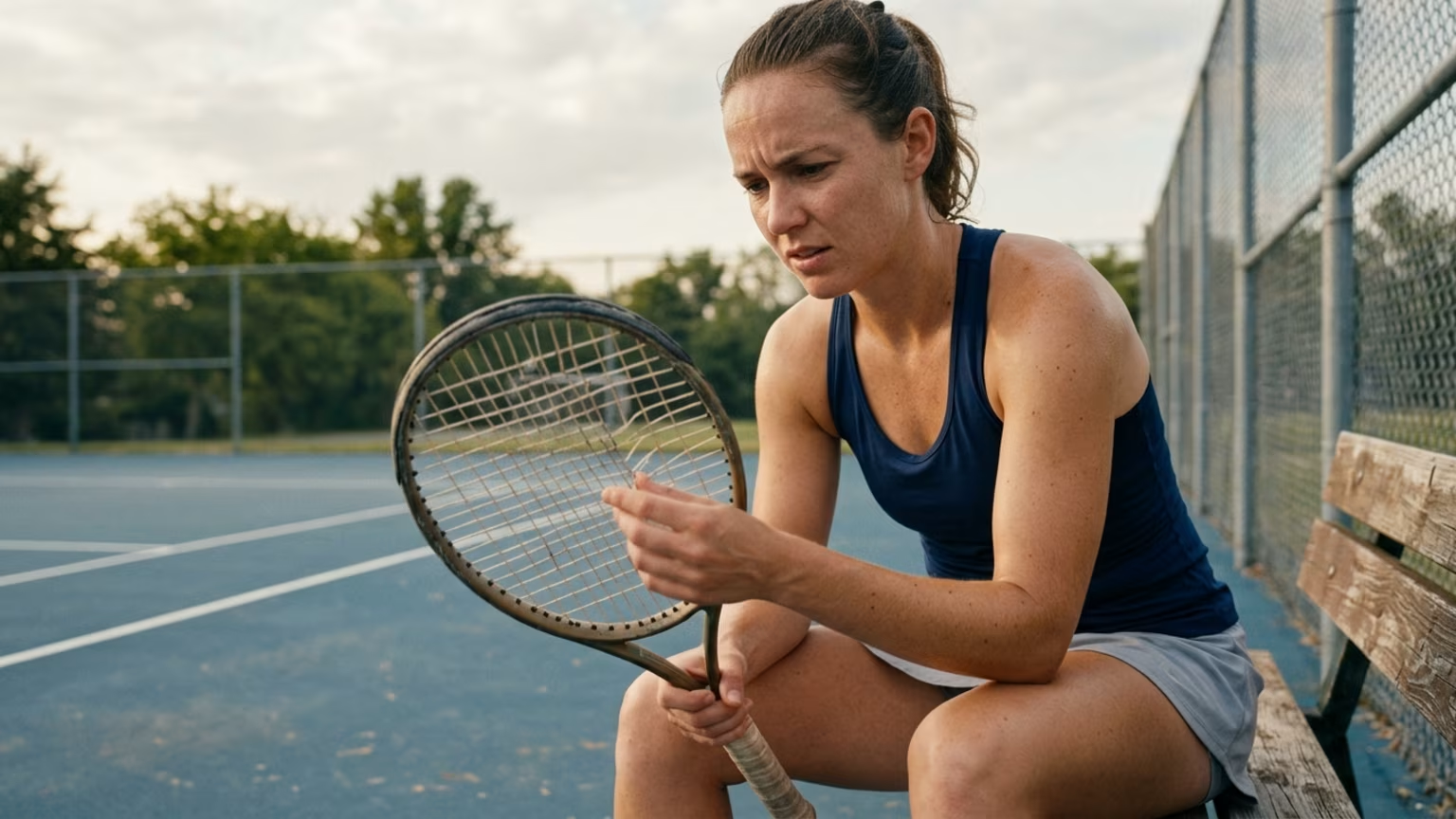

Learn how to assess and replace your tennis, pickleball, and padel gear. Follow a practical maintenance policy to protect your performance and athletic longevity.




How do we know when it is actually time to replace our gear instead of just buying the newest model? The most effective approach is to follow a strict maintenance hierarchy that prioritizes fresh grips, strings, and outsoles over entirely new frames.
Many players assume their frame is obsolete when their shots start landing long. The reality is that strings dictate performance long before the frame degrades. Restringing needs vary with the player’s schedule, string material, hitting intensity, and conditions. A maintenance-first policy prioritizes fresh strings over a brand new racket.
According to the LTA, a common rule of thumb is to restring roughly as many times per year as you play per week. A player on the court three days a week should aim for at least three string jobs annually. The LTA notes that lower tension generally produces more power and a softer feel, while higher tension tends to provide more control and precision. You do not always need to guess when this tension fades.
The USTA advises that when the same string is used in the mains and crosses, players generally use the same tension throughout the racket. In hybrid setups, the USTA says tension differences of roughly two to three pounds are common, depending on which string is used in the mains. Paying attention to these setup details prevents unnecessary equipment purchases. TennisPlanet cites USRSA chief executive David Bone as recommending restringing after tension loss exceeds 30%.
Players often ignore their footwear until a toe pokes through the mesh. However, flattened tread and a compressed midsole can quietly ruin your court movement. It is crucial to choose court shoes whose outsole and stability features match both the surface and the way you move. Hard court shoes prioritize durable rubber and a firm platform, while clay shoes commonly use a herringbone tread to manage sliding.
Your individual movement style matters just as much as the court material. Frequent toe-draggers should look for reinforced toe areas to extend the life of their footwear. Meanwhile, players who make aggressive lateral cuts should prioritize a secure heel counter and a broad base. Relying on a soft running shoe design will leave you vulnerable during sudden directional changes.
When you ignore your footwear, your body takes the hit. I remember finishing a tough two hour padel match on a cold Tuesday night and waking up the next morning feeling like my lower back was locked in concrete. For a long time, I just accepted this as the price of playing hard in my forties. But once I started spending just ten minutes on targeted hip mobility before heading to the club, the stiffness almost completely vanished.
It taught me that we do not have to accept pain as a default state of aging. Combining targeted mobility with shoes that provide proper lateral security is vital for healthy aging through injury prevention. Properly functioning outsoles protect your physical foundation on the court. Replacing shoes promptly is part of that defensive strategy.
The specific demands of your sport dictate where your maintenance budget should go. In tennis, your strings and grips take the brunt of the wear and require the most frequent replacement. Pickleball players face entirely different challenges with composite paddle faces and edge guards. USA Pickleball maintains an official database of approved paddles and balls, making equipment compliance a separate consideration for tournament players.
Protecting your gear from the elements is essential for consistent play. Practitioner guidance recommends protecting paddles from hard impacts and prolonged heat, using a cover, cleaning the face, and replacing the grip before replacing the paddle. Heat exposure is a particular climate and storage issue for composite pickleball paddles. Excessive heat can degrade the adhesives joining the face and core.
A slick grip can make a paddle feel defective even when the paddle face and core remain perfectly usable. Padel presents unique hazards because players constantly move near glass and metal fencing. Padel rackets require impact protection above all else, so we advise using a protective cover and inspecting the frame regularly. For footwear, a padel equipment guide says tennis shoes can be a practical substitute, while recommending surface-appropriate padel soles where available.
By matching your racquet sports competition equipment to the exact sport, you avoid wasting money. We suggest maintaining a simple gear log to track your purchase dates and approximate playing hours. This practice ensures you replace items based on actual wear rather than calendar guesses. Following this discipline keeps your focus on performance rather than shopping.
Grip condition is the cheapest and most effective maintenance indicator in racquet sports. A slick handle forces you to squeeze tighter, which can lead to arm fatigue and poor stroke mechanics. The USTA says a base grip should be changed when it leaves marks on the player’s hands or begins to fall apart. Furthermore, the USTA advises that an overgrip should be replaced when it becomes visibly dirty.
Players in humid or high-sweat conditions may need a tackier grip and more frequent replacement. Sweat accelerates grip contamination, rapidly diminishing the tactile feedback you need for precise shot execution. Keeping your grips fresh is a simple way to maintain consistent performance without spending heavily. Fresh overgrips help you improve reaction time and reading the game earlier because you can trust your hold on the racket.
Players often worry that having the wrong grip size will cause chronic pain. However, a study summarized by ScienceDaily found no significant forearm-activity differences across the grip sizes it tested. This means you should focus on replacing worn materials rather than constantly searching for a magical grip dimension. A simple commitment to regular grip replacement will solve most handling issues.
A proper gear policy centers on replacing the consumable parts first. You should replace your overgrip, base grip, shoe laces, and insoles before changing anything else. Replacing your strings or shoes comes second, while upgrading the actual racket or paddle should be your absolute last resort. This clear hierarchy protects your strength that transfers to the court by keeping your handling and footing secure.
Replacing gear based on actual wear protects both your wallet and your joints. By maintaining your equipment strategically, you build a foundation for athletic longevity and years of confident play.
Follow Evercourts for practical insights on tennis, pickleball and padel performance, movement, recovery and healthy ageing. Stay connected for new articles, research-led guidance and ideas to help you play well and keep playing for years.


Holger Rune withdrew from the European Open with a back problem. The facts behind his decision and a grounded perspective for recreational players.

The Dink’s October 17 guide emphasizes deep returns, ball-height decisions and positioning against faster pickleball opponents.

A new report outlines padel and tennis gear trends. Learn how to assess adjustable rackets, sensor feedback and smart-court claims.
Read practical guidance for better movement, smarter preparation and a game that keeps working for you.
explore the Blog
