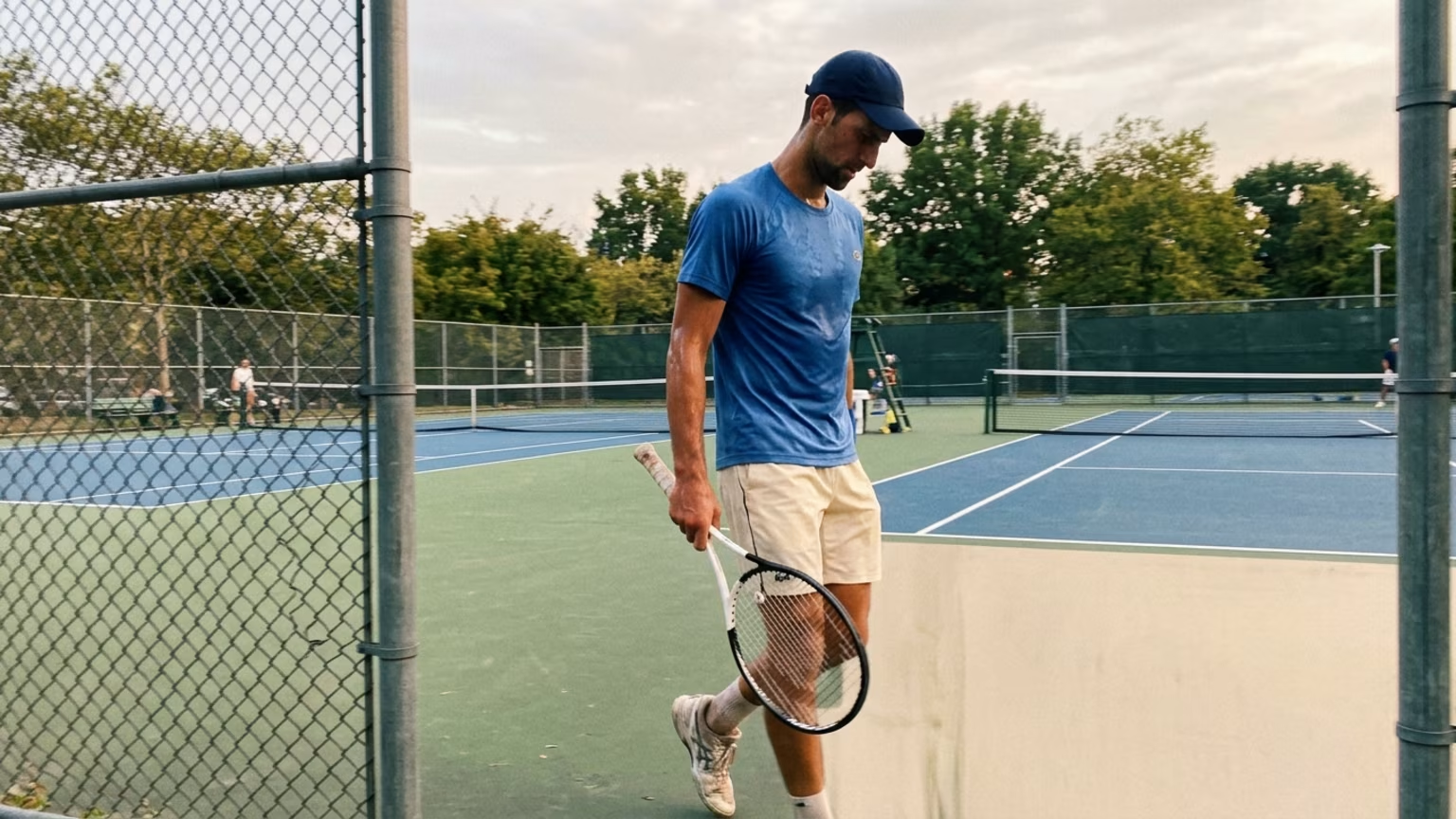

Novak Djokovic's grueling five-set loss at the 2026 US Open highlights the physical toll of elite tennis and offers a vital lesson in athletic longevity.




At 39 years old, Novak Djokovic spent four hours and 36 minutes playing the longest first-round Grand Slam match of his career. This grueling duration matters because it highlighted a physical breaking point on a highly visible global stage. During the first round of the 2026 US Open, Djokovic lost a painful five-set match to Mariano Navone. The defeat officially ended his immediate attempt to secure a record 25th Grand Slam singles title.
The match serves as a powerful case study in athletic endurance and the reality of physical limitations. Watching a legendary champion struggle to move normally sparked intense discussions across the racquet sports community. It forces every competitive player to evaluate their own relationship with pain and performance. The events on the court provided a stark reminder that physical collapse can happen to anyone.
Navone entered the contest ranked approximately No. 48 or 49 in the world. He completed the dramatic upset by winning the final two sets against Djokovic with scores of six games to two and six games to one. This result also stopped the attempt by Djokovic to win a fifth US Open title. According to Sky Sports, the match was a historic milestone for match length in his early tournament rounds.
The physical toll of the match was severe. Punto de Break reported that Djokovic experienced vomiting, muscle cramps, and generalized pain while facing back and shoulder problems. Djokovic stated he had been dealing with vomiting and sickness practically every match this year. Following this illness, his body began to collapse with cramps and pain.
He noted his back and shoulder eventually said enough. These specific joint problems started as early as the fourth game of the match. Djokovic also acknowledged that he had considered retiring during the contest. He changed his mind after winning the second and third sets, believing he still had an opportunity to win.
ESPN quoted Djokovic describing the match as really not enjoyable. He explicitly stated he pretty much despised every moment he spent on court. Despite considering an early exit, he specifically wanted to finish the match and avoided retiring in the fourth or fifth set. He pushed through the discomfort to complete the five sets.
The decision to finish a physically miserable match belongs entirely to an elite professional. A champion pushing through severe cramps and acute joint pain does not mean amateurs should do the same. For adult tennis, pickleball, and padel players, this event offers a clear warning about ignoring physical distress. Normal competitive discomfort is expected, but uncontrolled cramping or sudden loss of movement requires a complete stop.
In our experience, the court becomes a dangerous place when players push past their physical limits without adequate preparation. When our team first started playing pickleball, we noticed how many people skipped warming up entirely. They would jump straight out of their cars and right up to the kitchen line. We tried doing that and immediately pulled a calf muscle.
Pickleball requires just as much explosive lateral movement as tennis, just in a tighter space. Since then, our team always spends five minutes doing dynamic lunges and ankle rolls. It changes everything about how confident we feel pushing off the baseline. This simple habit serves as an excellent foundation for proper neuromuscular training before a match.
Recreational players must separate ordinary fatigue from clear warning signs of injury. Repeated dread, exhaustion, or joint pain means a competitive routine needs adjustment. Adapting your schedule to focus on managing court workload can prevent these recurring issues. Your goal is healthy aging and athletic longevity, not surviving a punishing five-set ordeal.
Evaluating your physical condition before a match is a crucial skill for long-term players. You should track how you feel before, during, and after every competitive session. Ask yourself if the problem is simple breathlessness or actual joint pain. Noting whether symptoms appear during the warm-up or after extended play helps identify underlying issues.
Monitoring your recovery time is equally important for maintaining a sustainable routine. If it takes several days to feel normal after a routine match, your workload is likely too high. A single difficult day might just be an outlier. However, a recurring pattern of pain or deep fatigue deserves immediate attention.
Changing the physical demand is often better than abandoning the sport entirely. Adult players can divide their week into different purposes to manage physical stress. You can balance technical practice at manageable intensity with dedicated strength and mobility work. This balanced approach allows you to maintain fitness without turning every court appearance into a high-stakes physical test.
The numbers behind this first-round exit provide important context for the physical breakdown. At 39 years old, Djokovic faced a much younger opponent in a contest lasting nearly five hours. The four-hour and 36-minute runtime severely tested his endurance. This extreme duration combined with existing illness created a perfect storm for cramping and muscle failure.
He lost the match with steep final set scores of six games to two and six games to one. The rapid decline in those final two sets illustrates how quickly physical capacity drops when joints and muscles say enough. His bid for a 25th Grand Slam singles title ended abruptly. This data underscores the importance of physical readiness before stepping onto any court.
Even the best players in the world cannot easily overcome a combination of illness and accumulated fatigue. When back and shoulder pain begin in the fourth game, playing another four hours invites significant risk. Understanding the recovery demands of singles play is critical for anyone managing a long season. Adult players must actively monitor their match durations to avoid similar breakdowns.
The reported drop in performance during the final sets highlights a universal truth about endurance. Fatigue fundamentally changes how your body absorbs the impact of running and stopping on a hard court. When your muscles tire, your joints take on significantly more stress during every lateral movement. This mechanical reality explains why Djokovic experienced back and shoulder issues as the match progressed.
For recreational players, the data from this match serves as a benchmark for physical pacing. Playing for over four hours is an extreme outlier for almost any amateur athlete. Most local tournaments and league matches are designed to conclude well before this duration. Pushing yourself to match professional timelines often results in diminished returns and elevated injury risks.
Looking ahead to the next season, we expect top players to heavily modify their tournament schedules. Managing athletic longevity will require skipping events to protect the body from cumulative strain. We will likely see more candid discussions about competitive burnout and the physical toll of elite racquet sports. The era of playing through extreme illness and joint pain is slowly giving way to smarter workload management.
For the Evercourts community, this shift should inspire better personal routines. You have the freedom to choose shorter formats, play doubles, or take longer recovery intervals between matches. If a specific surface consistently causes knee or back pain, moving to a softer court can extend your playing years. You can adapt your movement to match your current physical capacity rather than chasing past performance metrics.
Redefining success on the court is essential as your body changes over time. Winning every single match matters less than recovering well enough to play again next week. You can maintain your competitive edge by prioritizing movement quality and enjoying the social aspects of the sport.
The image of a 39-year-old champion struggling through a four-hour and 36-minute match is hard to forget. It reminds us that no amount of talent can entirely override pain, cramps, and exhaustion. We must view recurring physical distress as valuable feedback rather than a weakness to conquer. Adapting your workload is the most effective way to keep enjoying the game for years to come.
Follow Evercourts for practical insights on tennis, pickleball and padel performance, movement, recovery and healthy ageing. Stay connected for new articles, research-led guidance and ideas to help you play well and keep playing for years.


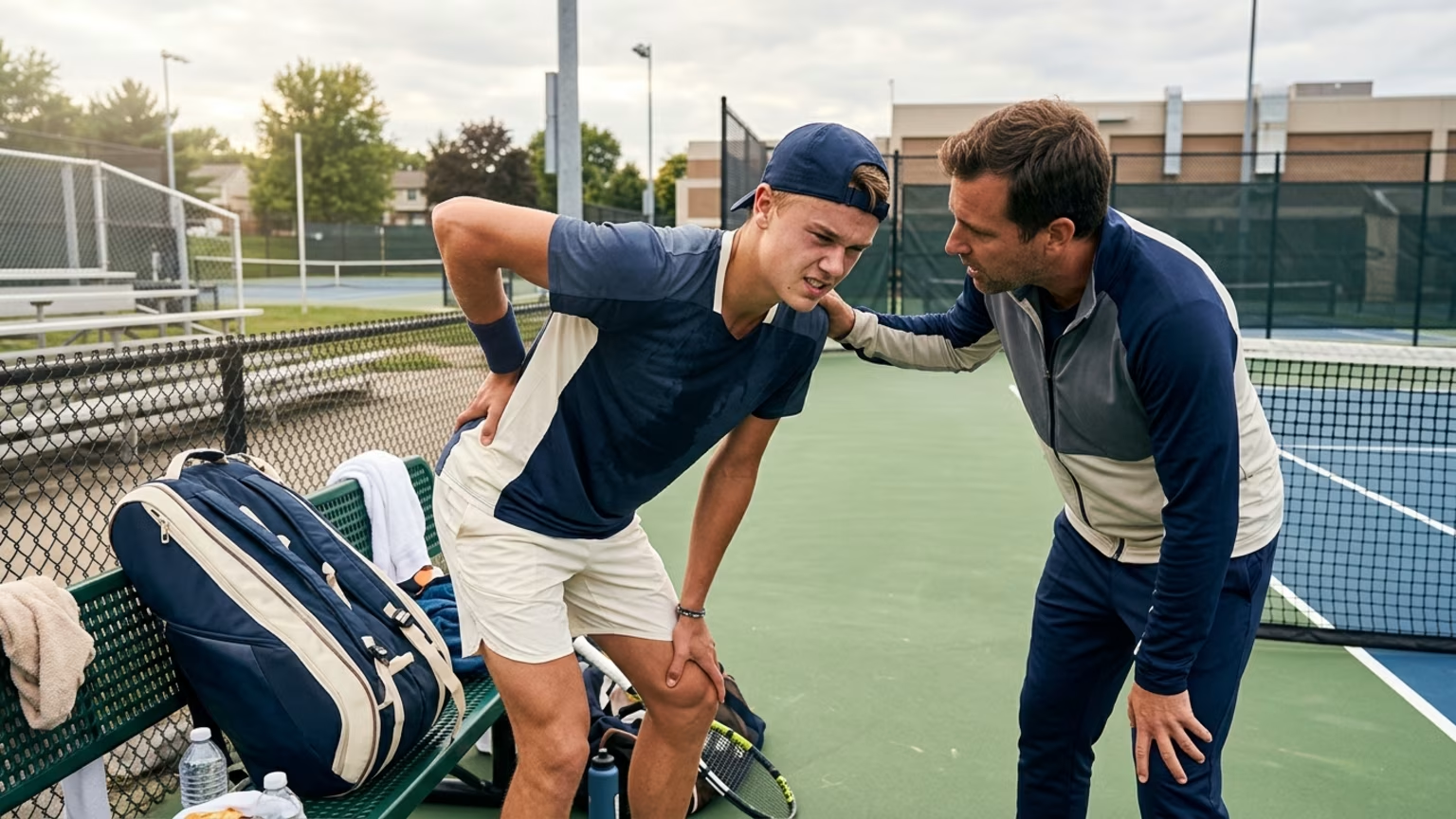
Holger Rune withdrew from the European Open with a back problem. The facts behind his decision and a grounded perspective for recreational players.

The Dink’s October 17 guide emphasizes deep returns, ball-height decisions and positioning against faster pickleball opponents.

A new report outlines padel and tennis gear trends. Learn how to assess adjustable rackets, sensor feedback and smart-court claims.
Read practical guidance for better movement, smarter preparation and a game that keeps working for you.
explore the Blog
