

Dominic Thiem warns amateur racquet players about the dangers of rushing injury recovery, using Carlos Alcaraz’s patient four-month rest as a safer model.




On September 8 and 9, 2026, Dominic Thiem publicly compared his right wrist injury recovery with Carlos Alcaraz’s management of a similar issue. Thiem stated that he expected Alcaraz to take his time and believed the Spaniard managed the injury correctly. Thiem’s central message was that injury recovery requires a significant amount of patience. He admitted that while he avoided early competition, he resumed training far too soon.
Thiem suffered his original wrist injury in 2021. This setback occurred less than a year after he won his first and only Grand Slam title at the 2020 US Open. He ultimately retired from professional tennis at the end of 2024 at age 31. Reflecting on his attempts to return, Thiem summarized the contrast with Alcaraz bluntly.
He noted that everything Alcaraz did right, he personally did wrong. Alcaraz missed approximately four months of competitive tennis because of his own wrist injury. His extended absence included major tournaments like the French Open, Wimbledon, and the Cincinnati Open. Before returning to the tour, Alcaraz used really long practices and really intense practices.
These sessions were specifically designed to test how his wrist responded during training and afterward. Alcaraz made his official comeback at the 2026 US Open. Following his first round match, which he won in straight sets, Alcaraz described his wrist as completely pain-free. He then advanced to the third round of the tournament.
His second match tested his endurance by lasting four full sets. The contrast between these two professional players offers a vital lesson for everyday racquet sports enthusiasts. Adult recreational players often feel a strong urge to rush back to the court. However, returning to high intensity practice before tissues are fully healed can compromise athletic longevity.
Thiem is a prime example of how premature training can prevent a player from returning to their previous level. Professional timelines should never be copied blindly by club players. A physiotherapy analysis focused on Alcaraz’s wrist injury outlines a much safer roadmap. This analysis describes a staged approach involving relative rest and controlled loading.
It also highlights the importance of a progressive return to sport and the correction of contributing factors like grip or technique. This structured method helps players rebuild strength without overloading vulnerable joints. It reinforces the idea that recovering from an injury is an active and deliberate process. At Evercourts, we have seen many players ignore the need for this kind of patience.
In our experience, structured rest is often the missing piece of a successful routine. I used to think a tough conditioning block was the only way to improve my court endurance. Then I started tracking my sleep. I noticed that on days I slept less than six hours, my reaction time at the net was noticeably sluggish, and I felt gassed by the second set.
Prioritizing consistent rest did more for my late match stamina than any extra sprints ever did. Recovery is the true foundation of performance. This personal lesson mirrors the broader need for scheduled physical downtime. For amateurs, relative rest does not mean avoiding all physical activity.
It means maintaining conditioning while protecting the injured area. Players returning to tennis or padel should test their bodies during controlled practice sessions first. Alcaraz monitored how his wrist felt both during and after his intense practices. Weekend league players must adopt this same habit of checking their next morning pain levels.
Alcaraz later shared that he expected to take voluntary breaks of one or two months in the future. He recognized that it is simply impossible to play continuously without interruption. This approach to workload management is exactly what adult players need to adopt. Taking intentional time away from the court helps prevent chronic overuse injuries.
It allows players to enjoy their sport for many more years. Integrating active recovery rather than complete inactivity is essential for maintaining physical capabilities. Adult players lack the daily medical supervision that elite athletes rely on. Therefore, they must take personal responsibility for their pacing.
Rushing back to a full schedule of pickleball or tennis matches is a common mistake. Players must understand that professional injury timelines do not apply to their own amateur recovery plans. Instead of forcing a quick return, players should focus on building foundational strength. Proper off-court conditioning prepares the body for the unique rotational demands of racquet sports.
Building resilience off the court makes the eventual return to play much smoother. It ensures that the body can handle the explosive lateral movements required for competitive matches. The mental challenge of sitting out is often harder than the physical rehabilitation itself. Players who are passionate about their sport hate watching their friends compete without them.
This frustration leads many individuals to ignore lingering pain and step back onto the court prematurely. However, treating the absence of sharp pain as full permission to resume regular play is a dangerous trap. The demands of hitting heavy topspin or digging low volleys require complete structural stability. When testing a healing injury, racquet sport enthusiasts should focus on specific functional checkpoints.
A sensible progression moves from basic movement to controlled hitting before attempting full swings. Playing restricted points offers a safe way to evaluate joint stability under slight pressure. The ultimate test is always how the affected joint feels the morning after a training session. If stiffness or swelling returns, players must scale back their workload immediately and allow more time.
Building endurance slowly ensures that the body adapts to the specific stresses of the sport. This gradual approach helps recreational players avoid the cycle of chronic reinjury. Patience during the rehabilitation phase ultimately protects a player's long-term health. Accepting a slower return timeline is the smartest investment an amateur athlete can make.
Over the next season, we expect professional players to become much more vocal about mandatory rest periods. The current tournament structure places an immense physical burden on athletes. As more top ranked players implement planned breaks, the conversation around workload management will shift. This trend will eventually influence how amateur clubs and leagues structure their competitive calendars.
Prioritizing strategic recovery will become a standard practice for anyone looking to sustain their performance over time. The focus will move away from relentless match play toward balanced seasonal schedules. Athletes at every level will begin to recognize that scheduled time off is a performance enhancer. Taking the time to heal properly will be viewed as a necessary step for achieving athletic longevity.
Follow Evercourts for practical insights on tennis, pickleball and padel performance, movement, recovery and healthy ageing. Stay connected for new articles, research-led guidance and ideas to help you play well and keep playing for years.


An evidence check on sports supplements like tart cherry juice. Learn why racquet sports players should prioritize core nutrition over functional foods.
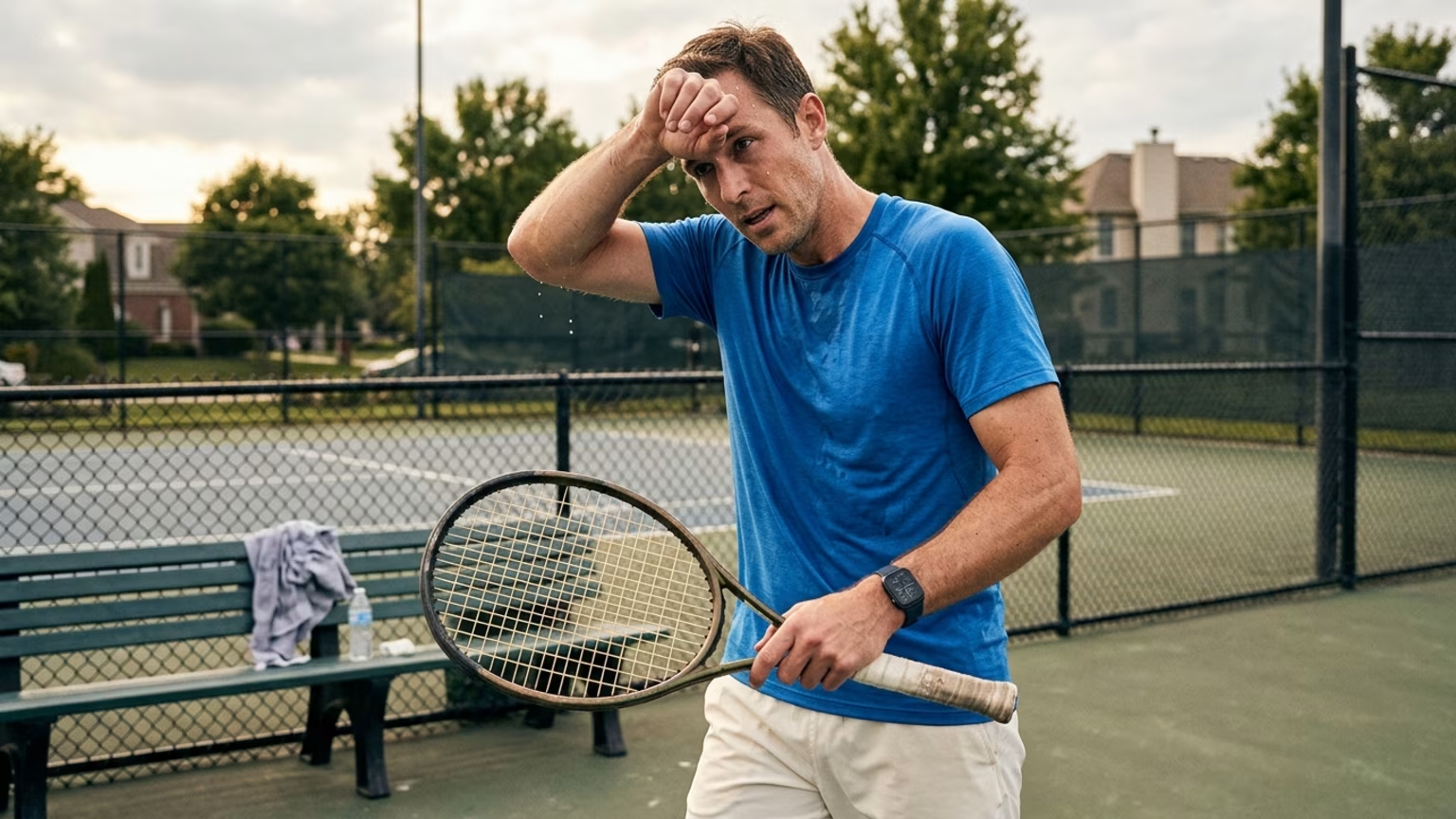
In late 2026, Oura analyzed wearable data to see how recreational tennis impacts heart health and recovery. Learn what this means for your athletic longevity.
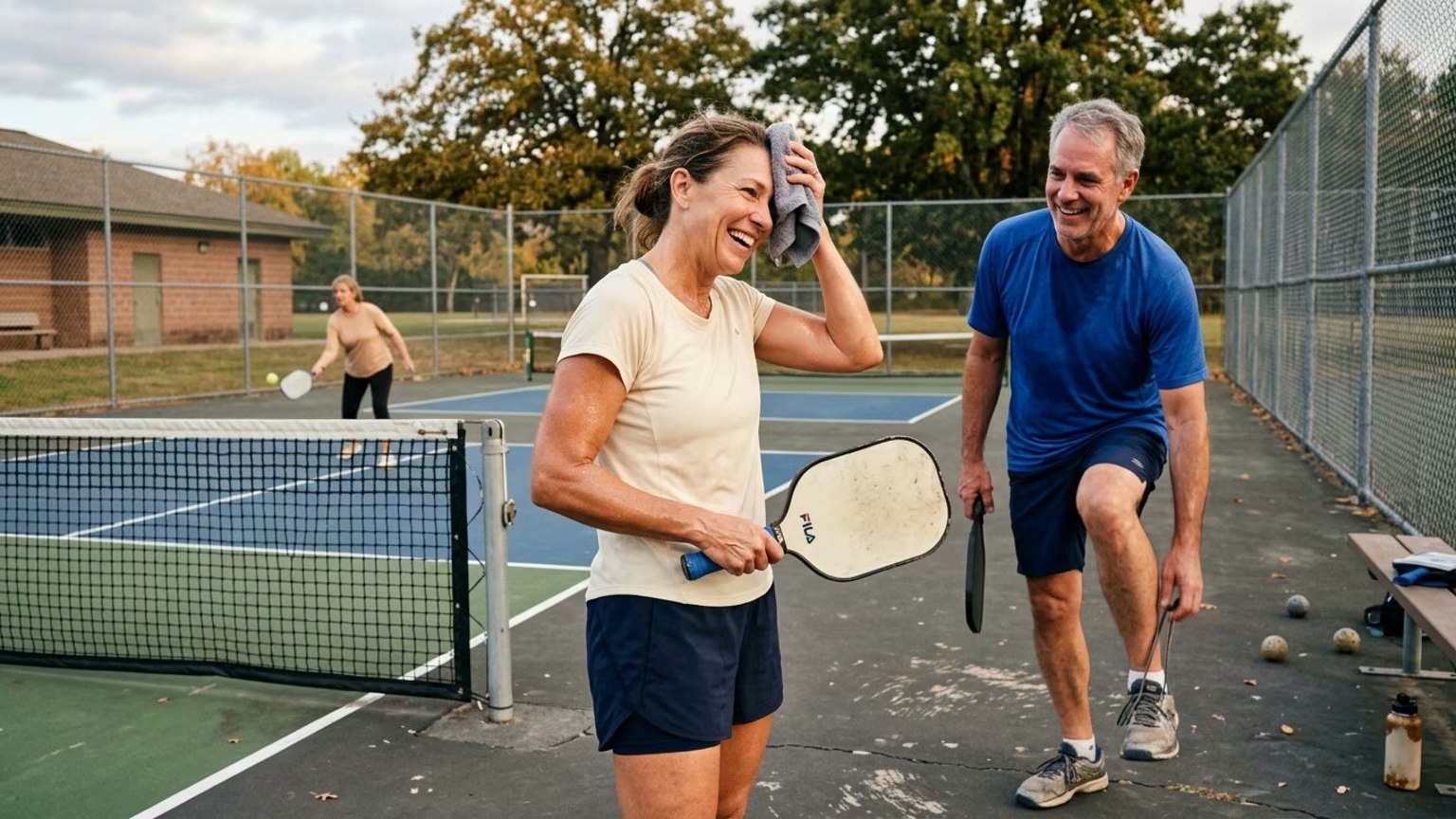
Recent guidelines emphasize gradual progression, dynamic warm-ups, and scheduled recovery to help adult racquet sports players maintain athletic longevity.
Read practical guidance for better movement, smarter preparation and a game that keeps working for you.
explore the Blog
