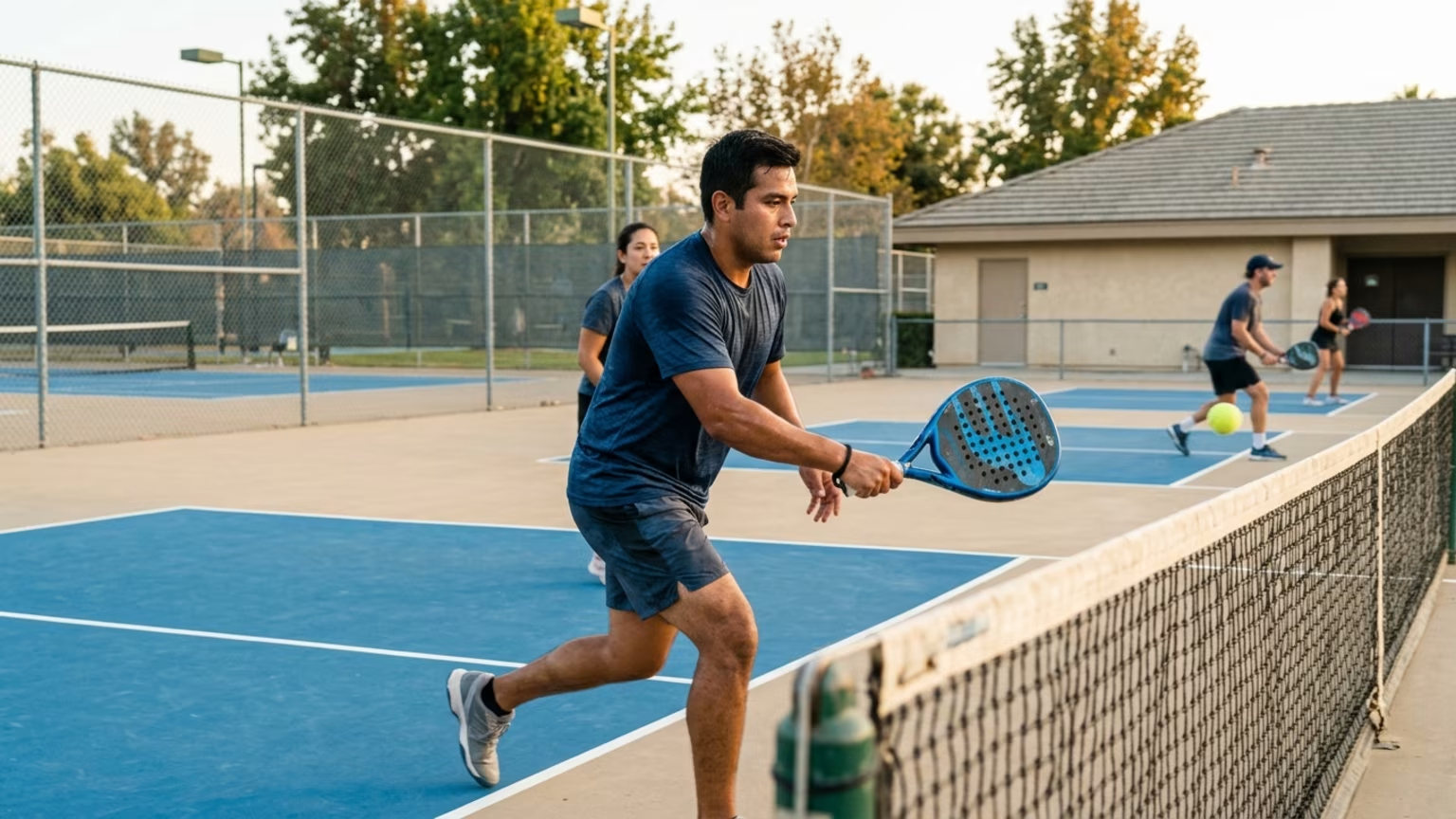

The Dutch Ophthalmological Society recently warned of rising padel eye injuries, recommending sports glasses to help players protect their vision on the court.




The Dutch Ophthalmological Society (NOG) has officially issued a warning regarding a recent increase in serious eye injuries associated with padel. The medical body is now recommending that players wear sports eyewear on the court to mitigate these risks. This safety guidance is designated as particularly important for individuals who currently have only one functioning eye.
Ruud van der Pol, an ophthalmologist at Alrijne Hospital in Leiderdorp, outlined the changing clinical situation to the Dutch broadcaster NOS. Over the preceding six months, his hospital saw padel-related eye injuries increase dramatically. The caseload jumped from roughly two cases per month to two or three cases per week. This sharp rise has prompted doctors to speak out about the potential hazards of the fast-paced game.
According to the NL Times, Van der Pol described protective eyewear as the best way to protect against a ball or racket hitting the eye. The impact of a fast-moving ball in an enclosed court can yield serious medical consequences. The NOG’s warning lists reported possible injuries, which include bleeding inside the eye, as well as corneal and lens damage. In more severe cases, patients have experienced retinal detachment, increased eye pressure, and even rupture of the eyeball.
Because the sport involves a confined space and rapid ball movement, eye impacts require prompt professional attention. Dutch ophthalmologists strongly advise players to seek medical help immediately if a court impact is followed by specific symptoms. These concerning symptoms include pain, flashes of light, a curtain-like obstruction in vision, or bleeding.
For recreational players who actively manage their weekly court workload, this advisory introduces a new practical consideration before stepping onto the court. The NOG’s position serves as a strong recommendation rather than a stated requirement for the sport. As reported by the NL Times, the society is calling for greater attention to eye safety without demanding mandatory compliance from clubs or players.
It is important for adults to view the medical statistics with the correct perspective. Van Pol estimated that about 5% of the padel-eye-injury patients he sees suffer lasting damage. This lasting damage can include severe outcomes like vision loss or blindness. However, this figure is strictly an estimate for his specific hospital patients, not a nationwide injury rate for all padel players.
When evaluating this new medical recommendation, adult amateurs must weigh the clinical caution against practical drawbacks on the court. Van der Pol openly acknowledged that players may find sports glasses uncomfortable when they sweat. Furthermore, the lenses can frequently fog up during intense rallies. Players must decide if adjusting to eyewear is worth the protective benefits. This decision remains deeply personal, though it is highly encouraged for those with existing visual impairments. Those players should prioritize safety over comfort when adjusting their footwork on the court.
The recent push for protective eyewear is supported by focused clinical observations rather than population-wide injury statistics. A separate report highlighted a detailed Swedish study involving 255 people who sought ophthalmological care for sports-related eye injuries. This specific patient group was evaluated in Sweden between the years of 2017 and 2021.
Within that clinical sample, padel accounted for exactly 20% of the sports-related eye-injury cases. This statistic represents a substantial share of that study’s selected care-seeking sample. It does not, however, serve as an estimate of general injury risk among all people who play the sport recreationally or competitively. Currently, Dutch reporting describes these padel-related eye injuries as a rising concern raised by ophthalmologists. The available coverage does not provide a national injury registry or a comprehensive national count of cases.
The medical conversation around protective eyewear in padel will likely prompt mixed responses across regional sports federations and local clubs. A separate Belgian report noted that the ophthalmologists’ association there asked padel clubs to actively encourage members to wear protective sports glasses. At the same time, the report noted that the governing body Tennis and Padel Vlaanderen did not adopt the Dutch doctors' advice.
Over the next season, players should expect independent padel facilities to increasingly suggest eyewear without strictly mandating it for everyday matches. Equipment manufacturers will likely focus on improving lens ventilation to solve the fogging issues that currently discourage widespread use among amateurs. Players focused on healthy aging should monitor these equipment improvements closely as they refine their personal gear. For more practical insights and more resources dedicated to padel, you can continue exploring the independent editorial resources available at Evercourts.
Follow Evercourts for practical insights on tennis, pickleball and padel performance, movement, recovery and healthy ageing. Stay connected for new articles, research-led guidance and ideas to help you play well and keep playing for years.


An evidence check on sports supplements like tart cherry juice. Learn why racquet sports players should prioritize core nutrition over functional foods.
In late 2026, Oura analyzed wearable data to see how recreational tennis impacts heart health and recovery. Learn what this means for your athletic longevity.
Recent guidelines emphasize gradual progression, dynamic warm-ups, and scheduled recovery to help adult racquet sports players maintain athletic longevity.
Read practical guidance for better movement, smarter preparation and a game that keeps working for you.
explore the Blog
