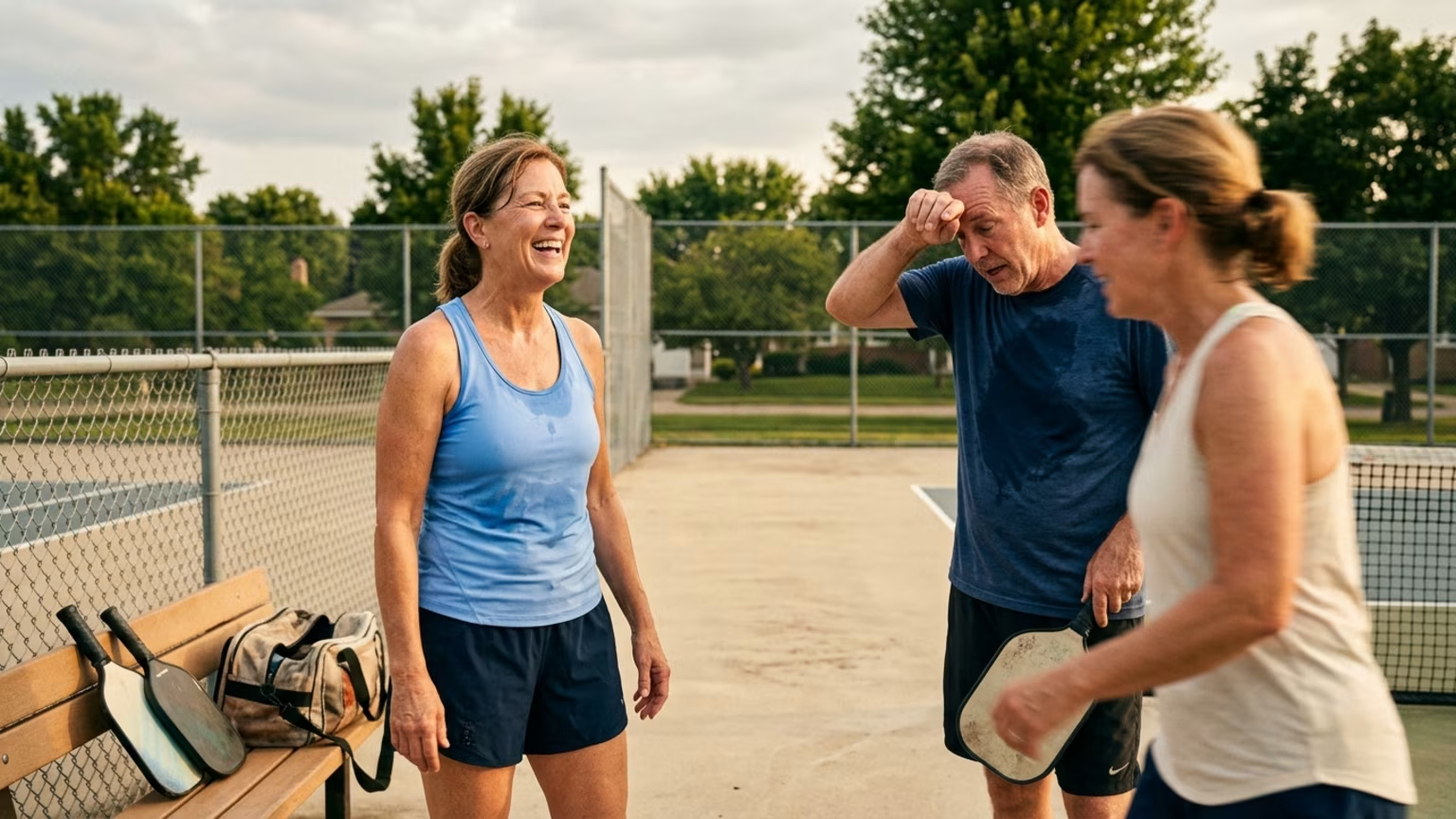

A new study reveals high-intensity sprint intervals trigger massive molecular changes linked to healthy aging. Learn how this applies to racquet sports.




A recent Cell Reports Medicine study examined how intense effort changes molecular signals circulating in the blood. Researchers measured 2,884 plasma proteins in participants completing a strict sprint protocol. The routine featured six 30-second all-out cycling sprints separated by four minutes of recovery. This intense format required only three minutes of maximal work within a longer session.
The researchers focused heavily on exerkines during their careful investigation. Exerkines are proteins and metabolites released after exercise that may help communicate between muscles and other organs. Paul Cohen, one of the researchers, said the findings suggest that exercise intensity has a major effect on remodeling the bloodstream’s molecular contents. The results offer evidence that exerkines may help mediate some health-promoting effects of vigorous exercise.
The results summarized by Rockefeller University and Gowing Life showed a dramatic acute reaction. Immediately after the sprint session, 714 proteins changed significantly. This represents nearly one-quarter of the proteins measured. Sprint interval exercise also changed more than 200 metabolites.
Many of these compounds are involved in energy metabolism and cellular signaling. The researchers noted acute increases in proteins related to tissue remodeling, blood vessel growth, and hormonal signaling. Furthermore, 32 of 33 proteins associated with lower risks of obesity, type 2 diabetes, and other metabolic disorders were altered. More than one-quarter of the sprint-responsive proteins were also linked to biological profiles for slower aging.
It is important to view these molecular associations carefully. A short rise in a blood protein does not automatically translate into a permanent disease cure. The large sprint-related protein response was observed immediately after exercise. Much of that massive response had moved toward baseline by three hours.
The same study compared these high-intensity results against 90 minutes of continuous moderate cycling. The molecular response to this steady effort looked entirely different. Only seven proteins changed immediately after the 90 minutes of moderate work. Moderate cycling produced a somewhat larger response three hours later.
At that delayed point, researchers found that 19 proteins had changed. However, the immediate molecular reaction remained far smaller than the response provoked by sprint intervals. This does not mean moderate training lacks value for healthy aging. Instead, it highlights how different exercise intensities send very distinct molecular signals through the body.
The study participants were young, physically fit, and predominantly male. This limits how confidently we can project these exact results onto older recreational players. The sprint and moderate sessions also differed substantially in both intensity and total exercise duration. Because of this design, the experiment cannot completely separate the effects of intensity from duration.
Racquet sports naturally involve repeated accelerations, sudden stops, and brief recovery periods. One analysis reported that pickleball rallies commonly last approximately 10 to 20 seconds. These rallies involve about 11 strokes on average. The same report described the format as similar to padel in rally structure.
Available heart-rate data placed pickleball somewhat below tennis in intensity while still providing a meaningful cardiovascular stimulus. This intermittent structure makes racquet sports an excellent foundation for metabolic health. However, an average court rally is not identical to a 30-second all-out cycling sprint. Actual exertion depends heavily on the player, their specific court position, and the opponent.
Players should remember that racquet sports are not risk-free activities. High-intensity court movement heavily taxes the calves, knees, and Achilles tendons. Building resilience requires incorporating an effective longevity game plan to manage these physical loads. For those managing injuries or returning to play, seeking professional guidance is crucial before adding maximal intervals.
You can carefully supplement your court time with short bursts of high-intensity work. You might try off-court intervals on a stationary bike to minimize joint impact. Focusing on lower body strength for tennis, pickleball, and padel will also support your ability to brake and accelerate safely. The goal is to build movement quality before pushing for maximal exhaustion.
Moderate exercise remains the definitive winner for supporting a lifetime on the court. While high-intensity sprints generate an impressive acute molecular response, maximal intervals are highly demanding and difficult to recover from. A sustainable weekly program must center on activities you can perform consistently without breaking down. The massive protein shifts seen after intense sprints offer an exciting supplement to an already balanced routine.
You cannot replace the steady foundation of moderate activity with three minutes of maximal effort. A 2018 observational study associated racquet-sport participation with a 59% lower risk of cardiovascular-disease mortality and a 47% lower risk of all-cause mortality. These lasting benefits likely come from a sustainable blend of aerobic movement, coordination, and social engagement. Treat moderate, consistent play as your structural anchor.
Recent intervention research also supports the value of accessible racquet activity for maintaining overall function. An eight-week pickleball intervention reported improvements in prefrailty status, functional fitness, and quality of life. This evidence reinforces the idea that you do not need maximal exhaustion to age well. Healthy aging requires maintaining a broad foundation of functional movement.
Add small doses of vigorous effort only when your body feels fully recovered and prepared. The true method for playing for decades is managing your overall workload intelligently. Make sure to complete a proper 12-minute court-ready warm-up before any intense session. Start by adding just one or two short, 15-second vigorous intervals at the end of your next light practice session.
Follow Evercourts for practical insights on tennis, pickleball and padel performance, movement, recovery and healthy ageing. Stay connected for new articles, research-led guidance and ideas to help you play well and keep playing for years.


Holger Rune withdrew from the European Open with a back problem. The facts behind his decision and a grounded perspective for recreational players.

The Dink’s October 17 guide emphasizes deep returns, ball-height decisions and positioning against faster pickleball opponents.

A new report outlines padel and tennis gear trends. Learn how to assess adjustable rackets, sensor feedback and smart-court claims.
Read practical guidance for better movement, smarter preparation and a game that keeps working for you.
explore the Blog
