

Learn how to turn and move for deep pickleball lobs, when to let the ball bounce, and what research says about balance and falls on court.




Balance on court means staying steady as you move, change direction and reach for the ball. A deep lob tests that control because it invites you to look up and reach back while your feet are still trying to get you into position. The rush to hit an overhead can make the shot feel like one decision when it is really two: how to get to the ball, and what to play once you get there.
You don't have to make both decisions at once. Sometimes the best choice is to turn and move. Sometimes it's to let the ball bounce and see what reply you have from there.
Tennis, pickleball and padel ask for repeated bursts of movement and quick changes of direction. Think about the moment between efforts. You can be moving toward one ball or recovering from the last shot when you realise the next ball needs you to go somewhere else. How you change direction matters more in that moment than how fast you can move in a straight line.
In pickleball, a lob over your head can send you back just as you're set up to play a ball in front of you. The comparable moment in tennis is deciding whether there's room to get into position for an overhead instead of reaching for it on the move. In padel, consider the same movement question when the next ball makes you reverse direction: are you ready to go the other way, or are you still finishing the previous move?
There's a useful distinction between moving toward where the ball is headed and reaching for where it is now. That distinction is worth keeping in mind on wide balls as well as deep lobs. The fact that you can reach a ball doesn't settle whether you have a controlled shot available.
A summary of a 2024 cross-sectional study of 92 recreational pickleball players reports that 42% had fallen while playing and 30% had fallen more than once. In another account of the study, lunging accounted for 57% of the reported reasons for falls and moving backward accounted for 24%. A separate summary of the same study notes that players who reported falling were older and slower on a court change-of-direction test.
These were self-reports from one group, not a fall rate for all pickleball players. The study describes what players recalled and how the groups differed. It doesn't establish that a lunge, a backward step, age or a slower test result caused a fall. The reported circumstances are a reason to pay attention to backward movement, not a count of how often players fall while chasing lobs.
A pickleball injury prevention guide describes turning to move or letting the ball go as common coaching advice and notes that it did not find a trial backing those cues. The suggestions below are options for organising your movement, not proven ways to prevent a fall. No tactic rules out that risk.
A tennis overhead technique guide recommends recognising the lob, turning sideways promptly and moving back with side shuffles or crossover steps rather than backpedalling. It also suggests pointing your free hand toward the ball as a tracking cue. The idea that carries over to pickleball is simple: turn to move toward the ball instead of staying square to the net and retreating without a clear sense of the space behind you.
Read the ball and the space together. Is there room to move toward where the ball is headed? Can you get into position to play it without relying on a backward reach? Those questions give your first move on court a purpose beyond simply getting there faster.
The same tennis guide suggests letting a deep or difficult lob bounce, then choosing a more controlled reply if you're rushed or off balance. Letting it bounce doesn't mean giving up on the point. It means giving up on the overhead as the only answer. If there still isn't a controlled play available, you can let the ball go rather than make a last reach for it.
That choice matters for adults who want to keep playing for years. You can still value quick movement and good court coverage without treating every difficult ball as a test of what you can reach. It helps to separate the shot choice you can make now from the movement skills you want to work on over time. For example, you might want to feel more comfortable turning to go after a deep ball without feeling obliged to hit it overhead.
Strength, balance and changes of direction are also being studied in older pickleball players. A secondary account of a small training study describes a 10-week programme that combined strength, balance, change-of-direction and agility work. At five-month follow-up, 25% of the training group and 44% of the comparison group reported a fall during play. The study included 29 players who weren't randomly assigned to groups, and the difference wasn't statistically significant. It's a line of research worth following, not proof that the programme prevents falls.
Repeated falls or recurring trouble staying steady when you turn or change direction are reasons to speak with a qualified physiotherapist or healthcare provider. It's also reasonable to ask for advice if you've fallen and aren't sure about returning to play. You don't need to decide whether the issue was your footwork before asking for help. Describe what you were doing when you lost balance and whether it's happened in other points or matches.
See you on court.
Follow Evercourts for practical insights on tennis, pickleball and padel performance, movement, recovery and healthy ageing. Stay connected for new articles, research-led guidance and ideas to help you play well and keep playing for years.


Build a tennis strength plan for legs, hips, trunk, shoulders and forearms, with progressions that fit your training history and court time.
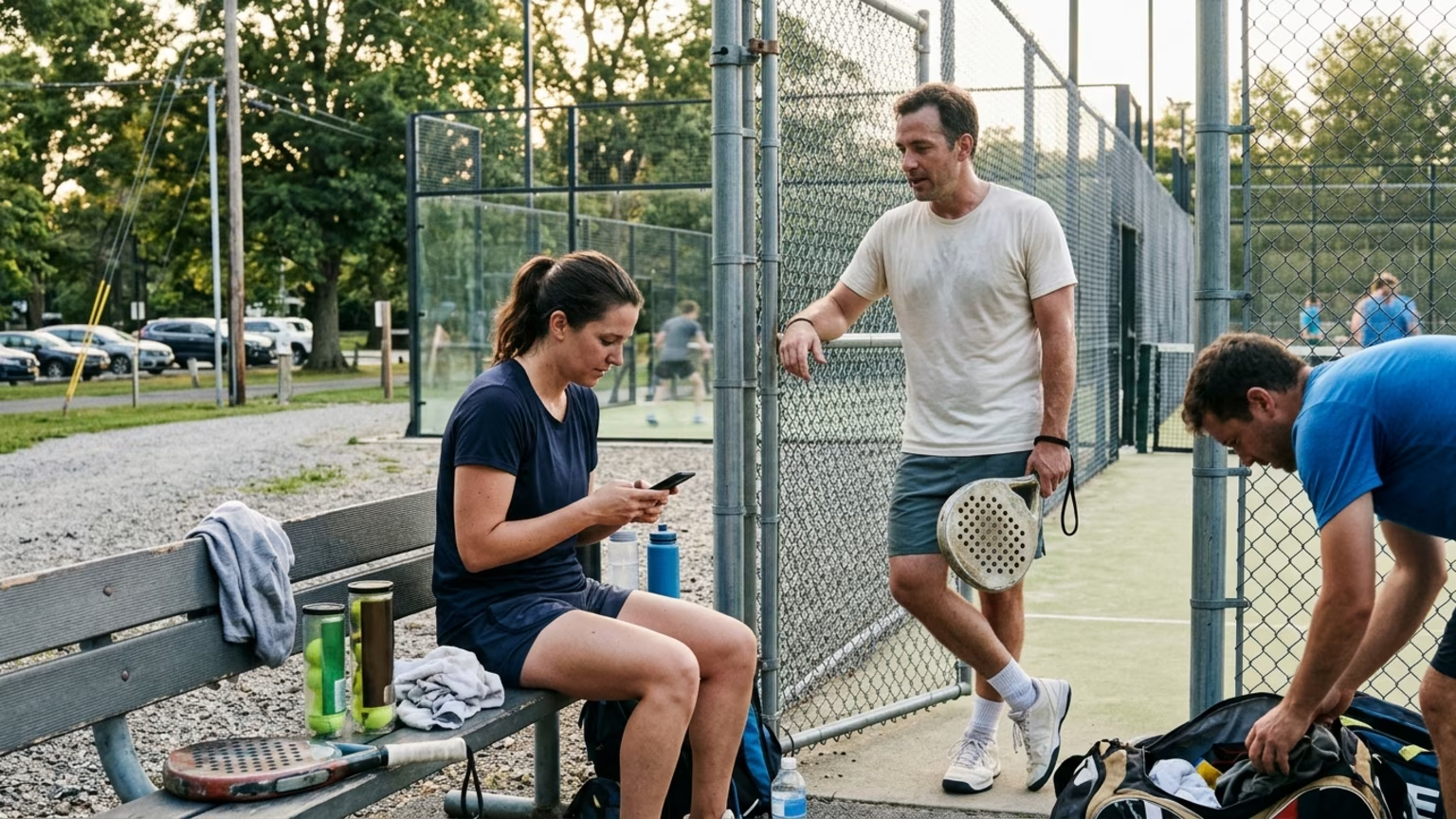
Build up your padel week by tracking match length and effort, then make small changes based on how you respond.
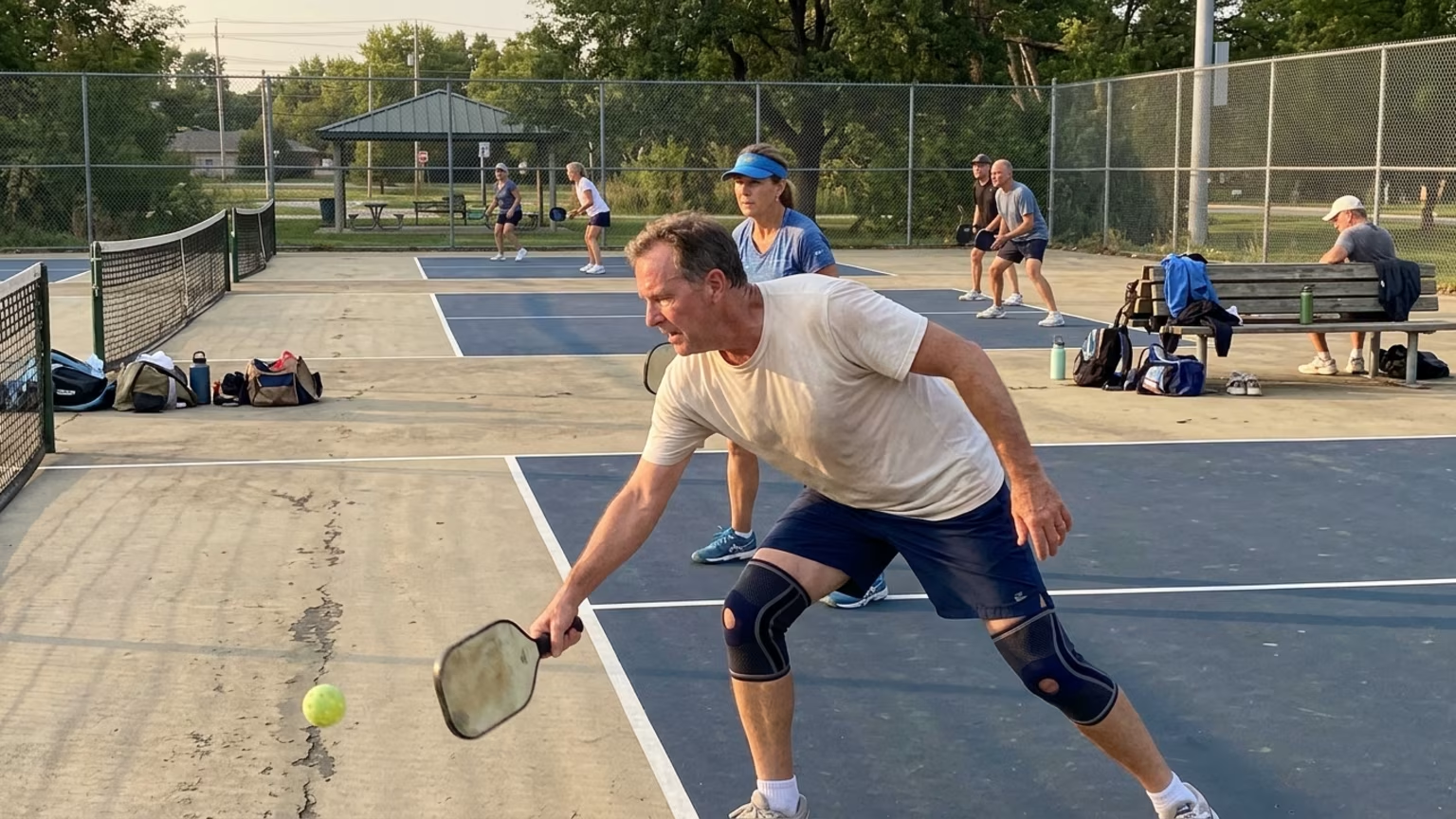
Falls led pickleball and tennis injury cases seen in U.S. emergency departments. Here’s how recreational players can put the findings in context.
Read practical guidance for better movement, smarter preparation and a game that keeps working for you.
explore the Blog
