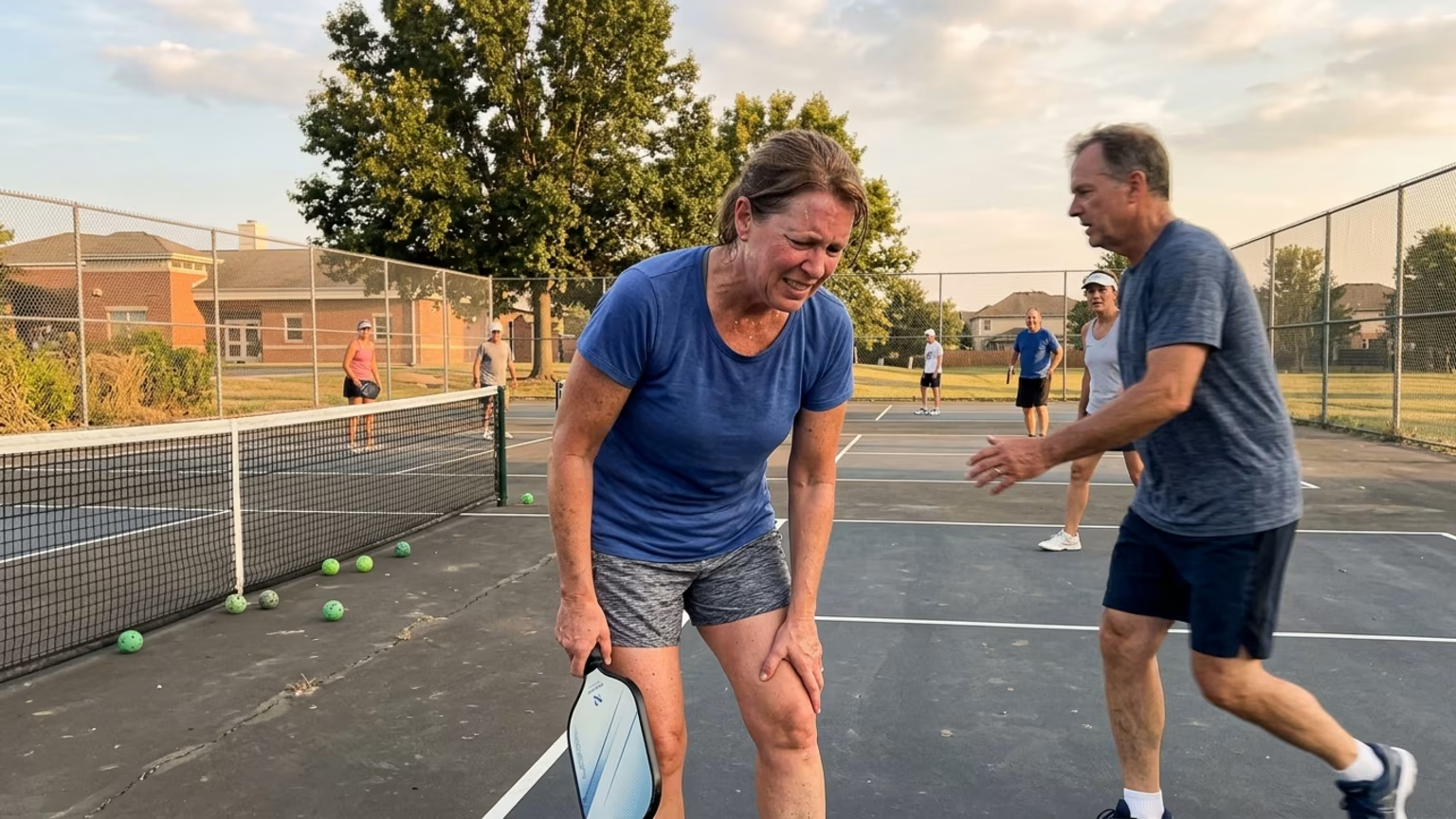

Pickleball provides excellent cardiovascular exercise and lower-body conditioning but falls short of complete fitness. Learn how to add strength training to play longer.




Court conditioning is the specific physical preparation required to handle the repeated accelerations and sudden stops of racquet sports. An analysis cited by KBIA estimated that emergency-room-treated pickleball injuries rose from about 8,300 in 2018 to more than 31,000 in 2025. This sharp increase reveals a critical gap between recreational play and physical readiness. As participation surges, many players incorrectly assume the game alone is all the exercise they need.
The physical tax of racquet sports comes from constant directional changes rather than steady forward motion. NDTV reports that pickleball challenges players with short sprints, sudden stops, and lateral movement. Tennis, pickleball, and padel all require dynamic balance and lower-body endurance to sustain these explosive efforts. The repeated deceleration needed to return a shot places immense load on the leg muscles.
Participation data underscores how quickly this physical challenge has scaled across the population. A 2026 report citing Sports & Fitness Industry Association data states 24.3 million Americans played pickleball in 2025. This massive figure represents a sharp climb from just 4.2 million players in 2020. The reported 2025 total includes both casual and core players with vastly different physical backgrounds.
The breakdown of these participants highlights a significant conditioning challenge for the industry. Approximately 16.8 million of these individuals were classified as casual players. Because casual participants play infrequently, they often lack the consistent physical exposure needed to adapt safely. Dropping an unconditioned body into a sport requiring rapid directional changes often invites muscular strain.
This rapid stop-and-start pattern forces the calves and knees to absorb significant force. Players who lack adequate lower-body conditioning often struggle to maintain their court positioning during long matches. Fatigue compromises footwork, which then reduces shot accuracy and court coverage. Investing in proper footwork skills is essential, but those skills rely entirely on foundational leg strength.
The game also heavily taxes one side of the body due to dominant-arm swinging. This repeated unilateral effort can create imbalances if players ignore full-body physical preparation. Without supplemental work, the demands of the sport can slowly outpace a player's physical capacity.
A recent NDTV explainer presents pickleball as a moderate-to-vigorous cardiovascular activity. The same article notes that the sport should not be treated as a complete replacement for structured exercise. NDTV estimates that an average player burns approximately 350 to 600 calories per hour. This calorie expenditure depends entirely on body weight, effort, and whether the player competes in singles or doubles.
The exact fitness benefit changes dramatically based on how people play the game. Casual doubles with limited movement may amount only to light exercise. Conversely, active singles play and higher-intensity drills create a much more demanding cardiovascular workout. Despite this aerobic value, researchers caution against viewing the sport as a complete fitness solution.
The commercial momentum behind the sport is driving increased scientific scrutiny. NDTV reports that India's pickleball market is expected to reach nearly ₹750 crore by 2030. As the game grows globally, researchers are examining its specific health impacts on older populations. A recent report characterized a trial involving an eight-week structured pickleball program for older adults with pre-frailty.
The results of this structured intervention offer encouraging news for healthy aging. According to the report, 42% of participants assigned to pickleball were no longer classified as pre-frail. This improvement strongly contrasted with the 8% figure seen in the control group. The reported pickleball group also improved their performance on 30-second chair stands and arm curls.
These improvements extended to shoulder flexibility and six-minute walking distance. Participants also reported positive changes in both physical and mental quality-of-life measures. However, this trial utilized a supervised, organized program rather than casual recreational play. Unstructured games simply do not guarantee the same functional fitness improvements.
NDTV specifically identifies three limitations of the sport as a standalone fitness program. It does not provide heavy resistance for optimal muscle growth. It tends to emphasize one side of the body. Finally, it completely lacks pulling movements that train the back and shoulders.
Understanding the limitations of court sports is vital for healthy aging. Adult players must build capacity outside the court to maintain their physical capabilities. NDTV recommends using pickleball for cardiovascular conditioning while supplementing it with two brief weekly gym sessions. These dedicated sessions should focus heavily on full-body strength and core stability.
By addressing missing physical qualities, players can stay active and competitive for years. Adding pulling exercises directly counterbalances the repeated pushing and swinging actions of racquet sports. This strategic balance helps players maintain healthy shoulders and avoid postural problems over time. Cross-training effectively allows athletes to handle the specific stressors of regular matches.
Lower-body resistance training is equally crucial for long-term participation. Focusing on squats, step-ups, and calf raises builds the tissue tolerance required for constant lateral lunging. This dedicated leg work directly supports acceleration and safe deceleration during intense rallies. A balanced approach ensures that the body can tolerate higher volumes of play without breaking down.
This combination of court play and gym work forms a solid longevity game plan for adults. Evercourts encourages players to view strength training as the foundation that makes frequent play possible. Building muscular endurance outside the game protects the joints from repetitive strain.
Even with a balanced routine, recurring discomfort warrants professional attention. Injury coverage reports that lower-body areas appear frequently in pickleball injury data. Commonly affected areas include the knees and calves. Players also frequently report issues with their ankles, hamstrings and feet.
If players experience persistent pain in these joints, they should consult a qualified physiotherapist. The aging demographic of the sport makes professional guidance particularly relevant. The KBIA report notes that adults aged 50 and older accounted for an estimated 125,000 pickleball-related emergency-room visits. This figure spans from 2018 through 2025 and represents more than four-fifths of the cited visits. Players aged 65 and older accounted for half of those visits alone.
Older players or those with previous joint issues must be particularly mindful of workload progression. The rapid growth of the sport has drawn many previously inactive adults back to competition. Anyone with a history of falls, fractures, or cardiovascular disease should seek individualized medical advice. A professional can assess movement deficits and prescribe targeted exercises that casual gym sessions might miss.
Recognizing the signs of overuse early is the best way to avoid forced time off. Sharp pain during deceleration or swelling after matches are clear indicators that medical guidance is necessary. A physiotherapist will help bridge the gap between resting an injury and safely returning to sport. Ignoring early warning signs often turns minor strains into chronic problems.
Ultimately, the game provides a fantastic motivation to stay active and engaged. However, the climb to more than 31,000 emergency-room visits reminds us that the sport demands genuine physical preparation. Players must prepare their bodies for the game rather than expecting the game to prepare their bodies. Committing to structured strength training ensures that you can safely enjoy the court for decades.
Follow Evercourts for practical insights on tennis, pickleball and padel performance, movement, recovery and healthy ageing. Stay connected for new articles, research-led guidance and ideas to help you play well and keep playing for years.


Holger Rune withdrew from the European Open with a back problem. The facts behind his decision and a grounded perspective for recreational players.

The Dink’s October 17 guide emphasizes deep returns, ball-height decisions and positioning against faster pickleball opponents.

A new report outlines padel and tennis gear trends. Learn how to assess adjustable rackets, sensor feedback and smart-court claims.
Read practical guidance for better movement, smarter preparation and a game that keeps working for you.
explore the Blog
