
Professional mid-match fueling often misleads amateur athletes. Learn how to sensibly manage carbohydrate intake during tennis, pickleball, and padel matches.




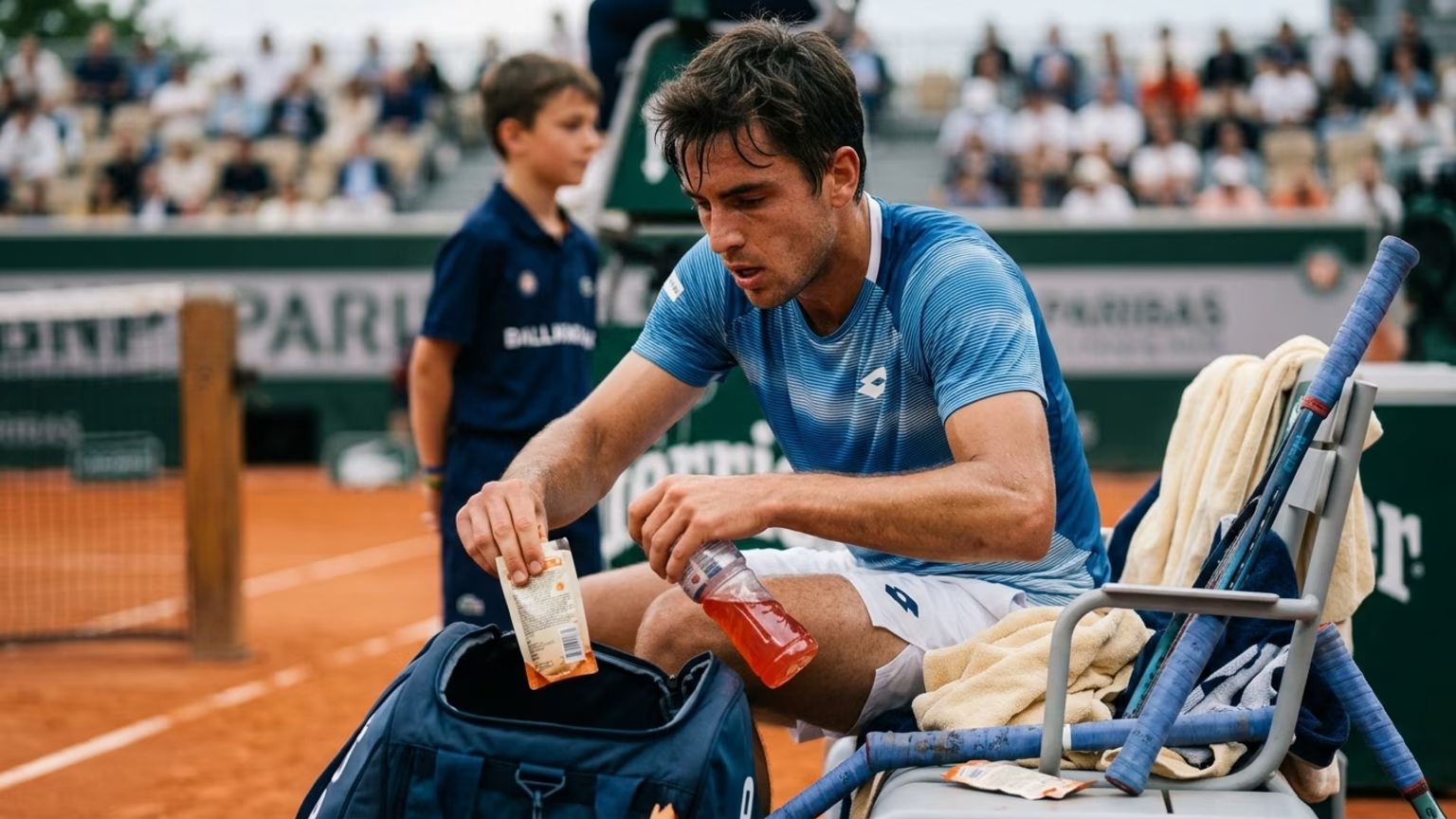
Eating candy during a changeover will not magically fix your baseline game or save your stamina. On August 21, 2026, Spanish tennis outlet Punto de Break highlighted a moment from the ATP Cincinnati quarterfinal where Italy’s Flavio Cobolli requested small containers of candy while leading American Tommy Paul 5-2 in the second set. Recreational players often see professionals consuming specialized gels or sweets and assume they need to replicate these rapid carbohydrate hits. The truth is that routine mid-match sugar intake is often unnecessary for amateur tennis, pickleball, and padel players.
Fitness marketing often promotes aggressive nutritional strategies that mimic elite tournament protocols. These messages suggest that amateur athletes must consume heavy doses of simple sugars to sustain their energy on the court. This creates a widespread belief that every single practice requires a carefully timed influx of sports drinks or snacks. Many players end up consuming excess calories during light workouts that barely deplete their natural energy reserves.
The reality for most adult racquet sports players is far less complicated and requires less intervention. The National Academy of Sports Medicine advises that water is generally sufficient for typical sessions lasting less than 60-75 minutes. Professional physical demands differ vastly from the average weekend league match or casual hitting session. For example, Cobolli ultimately defeated Paul 2-6, 6-3, 6-4 to reach the Cincinnati semifinals.
His impressive quarterfinal effort followed a grueling Cincinnati comeback against Rafa Jódar. That specific contest lasted 2 hours and 31 minutes. The match ended 5-6, 7-6(3), 6-3 according to tournament coverage from Punto de Break. Amateurs rarely face this compounded physical toll across back-to-back high-intensity professional fixtures.
The physical accumulation of playing daily at an elite level creates unique metabolic demands that recreational players simply do not experience. The average club player typically rests fully between their scheduled weekend matches. Mimicking a professional athlete's mid-match nutritional rescue effort ignores the vast differences in baseline conditioning and sheer physical volume. Real athletic longevity comes from understanding your own body rather than copying an elite player's viral changeover routine.
In our experience, chasing elite nutritional fixes often distracts from fundamental movement and recovery habits. A few years ago, I realized my tennis serve speed was dropping, and my shoulder was constantly throbbing after matches. Instead of pushing through the pain, I took a month to rebuild my mechanics and focus on rotator cuff endurance. I stopped trying to hit flat aces and developed a much heavier kick serve.
My win rate actually went up, and my shoulder stopped hurting. Sometimes longevity means outsmarting your own ego on the court. Focusing on foundational mechanics rather than quick consumable fixes is the true path to sustainable performance. Proper fueling matters deeply during exhaustive events, but it cannot repair poor technique or inadequate baseline conditioning.
The physiological mechanisms behind mid-match fueling are straightforward but highly dependent on the actual match duration. Rapidly available carbohydrate can help maintain blood glucose, reduce endogenous glycogen depletion, and delay fatigue during intense exercise. However, sports science differentiates sharply between short bursts of activity and prolonged athletic exertion. Your internal fuel tanks can easily handle a standard hour of doubles play without requiring external chemical support.
Current academic-led guidance commonly places carbohydrate intake during efforts lasting 1-2.5 hours at 30-60 grams per hour. When matches extend well beyond the 90-minute mark, the body's internal glycogen stores begin to run noticeably low. A player expecting a contest to exceed two hours faces entirely different fueling demands from someone playing a short recreational session. This is especially true when managing consecutive intense matches during a weekend tournament.
For longer efforts, guidance and emerging research discuss intakes up to 90 grams per hour when glucose and fructose are combined. A recent review of carbohydrate recommendations even reported a possible upper range of 90-120 grams per hour in highly trained athletes. This high upper limit is a developing area of research. It should not be presented as a recreational-player target for a casual weekend tournament.
The University of Birmingham sports-science report characterizes carbohydrate dosing as an established area of sports nutrition guidance. This framework has been heavily discussed by researchers for more than two decades across various endurance disciplines. The International Olympic Committee consensus supporting these specific physiological principles actually dates back to 2011. Despite this deep scientific history, many recreational athletes still misinterpret the data when applying it to their weekend matches.
Adult players focused on healthy aging should view fueling as just one component of maintaining their training quality. Consuming simple sugars does not replace progressive conditioning, adequate sleep, professional medical care, or an overall balanced diet. Eating candy during a changeover might provide a quick burst of easily available carbohydrate. It also introduces fat and chocolate that some athletes digest poorly while running intensely.
The physical demands of your chosen sport also dictate how you manage your mid-match energy levels. A sprawling baseline tennis match creates different muscular fatigue compared to the explosive lateral movements required in padel. Pickleball rallies may be shorter, but the compressed court size often leads to intense bursts of anaerobic activity. Recognizing these differences helps you determine if your session truly requires supplemental carbohydrates or just consistent fluid intake.
Instead of adopting extreme protocols, adult players should adopt sensible habits that align with their actual time on court. A hard session expected to last longer than roughly 60-90 minutes justifies a reasonable starting nutritional framework. Approximately 30-60 grams of carbohydrate per hour is an excellent baseline for these longer efforts. Players must adjust this amount to match the specific intensity, the total duration, and their own individual digestion.
It is wise to spread the intake across changeovers or set breaks rather than consuming a large amount simultaneously. This measured approach fits the stop-start structure of tennis, pickleball, and padel perfectly. Small sips or bites during court-side drink breaks prevent sudden spikes and subsequent crashes in blood sugar. Athletes should always seek out practical options that remain easy on the stomach during heavy movement.
The Punto de Break analysis notes that dates, bananas, gels, and sports drinks are effective sources of rapid carbohydrates. Players can combine formats, such as sipping a sports drink while eating a small piece of fruit. The appropriate combination depends heavily on personal digestion and the physical demands of the specific match schedule. This variability is why optimizing carbohydrate recovery strategies requires careful personal experimentation across different racket sports.
Preparation starts long before the warm-up begins. Players should distinguish routine daily exercise from intensive tournament play. Always test any new fueling plan during practice sessions before introducing an unfamiliar food during competition. Begin conservatively, record what was consumed, track how your body responded, and adjust the timing accordingly.
Patience and observation are key to mastering your own match day nutritional requirements. Proper tournament preparation requires building a reliable system that works specifically for your own body and chosen sport. You should never copy a professional athlete's routine blindly without testing it in a controlled practice environment first. Keep your court routine simple, prioritize hydration, and consider establishing a repeatable pre-match routine rather than overthinking your snacks.
While professionals may require rapid carbohydrate refueling to survive grueling three-hour battles, the average recreational player should focus on proper hydration and foundational conditioning for athletic longevity.
Follow Evercourts for practical insights on tennis, pickleball and padel performance, movement, recovery and healthy ageing. Stay connected for new articles, research-led guidance and ideas to help you play well and keep playing for years.


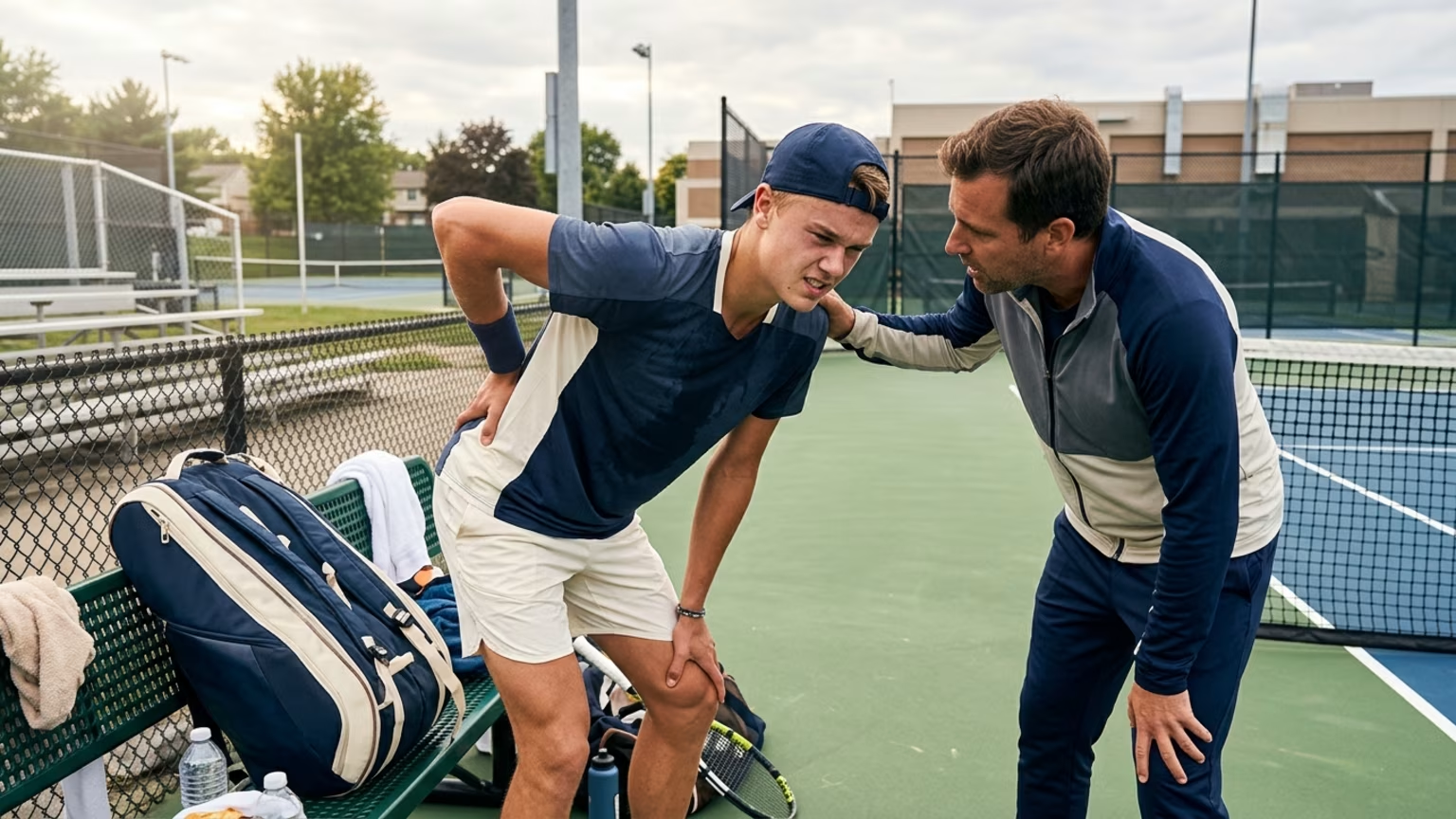
Holger Rune withdrew from the European Open with a back problem. The facts behind his decision and a grounded perspective for recreational players.

The Dink’s October 17 guide emphasizes deep returns, ball-height decisions and positioning against faster pickleball opponents.

A new report outlines padel and tennis gear trends. Learn how to assess adjustable rackets, sensor feedback and smart-court claims.
Read practical guidance for better movement, smarter preparation and a game that keeps working for you.
explore the Blog
