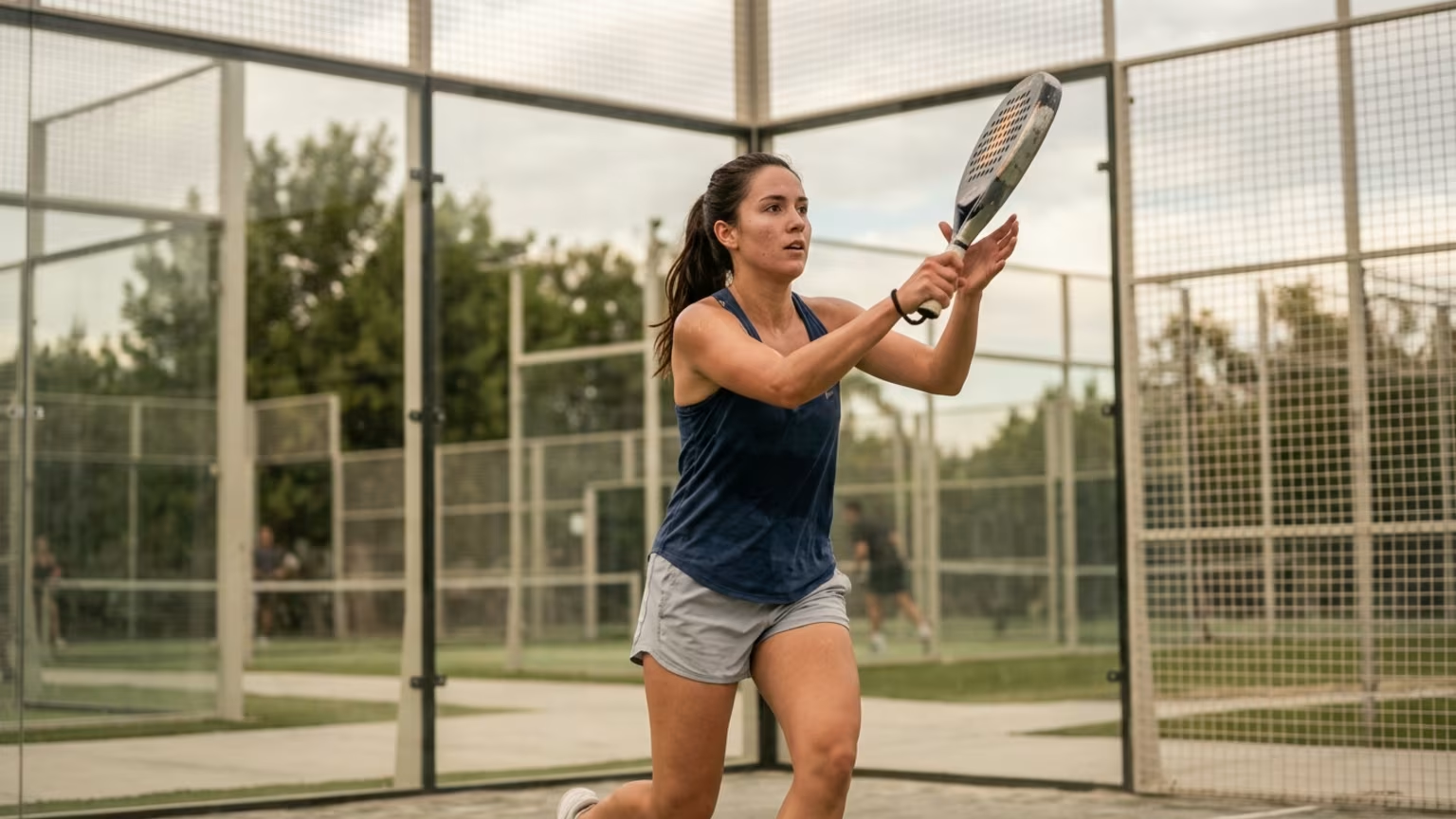

Build physical capacity for padel overheads. Protect your shoulder and elbow by improving lower-body strength, using the bandeja and managing match workload.




The lob goes up, and the frantic backward scramble begins. The feet stop adjusting, the arm reaches far back, and the racket snaps down. The point ends quickly, but the strain on the elbow lingers well into the next morning.
You have heard it a million times: if your shoulder or elbow hurts after a padel match, you just need a stronger hitting arm. Here is why that is outdated. The padel overhead relies on the legs, hips and trunk to transfer force effectively. When your lower body fatigues, your arm takes over the workload, which means overusing the arm is usually a symptom of poor lower-body endurance.
It makes perfect sense that players focus entirely on the shoulder and elbow when things go wrong. When a smash feels weak or a bandeja sails long, the arm is the last thing that touched the racket. Adult players understandably look for quick fixes, and they often try isolated forearm exercises to cure the discomfort. We have empathy for this mindset because the pain is always local to the joint holding the racket.
It is hard to connect a tired calf muscle to an aching elbow. However, blaming the arm ignores the repeated split steps, backward movements and braking actions that actually exhaust the body. By the time the racket strikes the ball, the legs and trunk have already done most of the critical work.
Padel requires repeated exposure to overheads rather than just one maximal effort. The demand comes from preparing, rotating, striking and recovering throughout long exchanges. According to a 2026 scoping review summarized by Lifestyle Reviewer, which looked at 14 studies involving 3,581 players, there are approximately three injuries per 1,000 hours of padel and eight per 1,000 matches. The exact definitions varied across studies, but the data showed clear patterns.
The same review reported that the elbow was the most frequently injured upper-limb region, followed by the shoulder. Tendon tissue was the most commonly affected tissue type overall. These figures highlight the physical cost of repeated overhead motions during extended rallies. To manage this load, players need to understand the mechanical differences between the overhead strokes.
Coaching guidance commonly frames the bandeja as a controlled sliced overhead and emphasizes sequencing from the lower body and trunk into the arm. When trunk rotation is insufficient, the arm becomes the substitute source of speed. The víbora requires greater rotational and forearm demands to create side spin, which means players must coordinate rapid rotation while controlling the racket face. The smash places the highest intent on the shoulder, and it creates a substantial braking requirement after contact.
The padel serve also contributes to the total upper-body workload. Even though it is hit underarm, the stroke involves repeated shoulder elevation, forearm control and trunk rotation. The serving player must coordinate the lower body and hitting arm while maintaining balance for an immediate recovery. When a player tries to generate pace with the arm alone, the shoulder bears the brunt of the rotational stress.
Repeated net play forces frequent deceleration and lateral adjustments. Padel requires split steps, short movements, forward drives and backward scrambles toward the glass. When the legs fatigue during these repeated exchanges, the player may stop adjusting the feet and compensate by reaching. This late contact point forces the elbow into excessive extension while relying heavily on the wrist to manipulate the racket face.
If you are struggling with understanding tactical choices for each shot, your body might be working harder than necessary. Equipment also plays a role in managing physical stress on the court. The Lifestyle Reviewer summary reports an association between higher injury occurrence and rackets weighing more than 350 grams among amateur players. However, racket weight is only part of the equation.
You must consider racket balance, grip size and stringless impact characteristics alongside your playing volume. Additionally, the review summary notes that evidence on sex differences regarding upper limb injuries is inconsistent and should not be treated as definitive.
To keep playing without persistent pain, you must adjust how you train and practice. The first step is progressive load management. The scoping review summary specifically warns against moving abruptly from once-weekly play to four sessions per week over a fortnight. You should increase your playing frequency gradually to let your tendons adapt.
This measured approach prevents the sudden spikes in workload that often precede elbow and shoulder problems. You should also separate your technical practice from your maximal efforts on the court. Make the controlled bandeja your foundation for overhead volume. This allows you to practice movement, trunk rotation and recovery without turning every lob into a maximal effort.
Add the víbora once you can repeatedly organize your body position, and reserve your hardest smashes for when you are fresh. You can improve your court positioning by focusing on essential footwork skills before increasing your swing speed. Off the court, you need to build capacity in the legs and trunk. The review recommendations summarized by Lifestyle Reviewer include progressive loading, strength work, structured warm-ups and deceleration coaching.
In our experience, we remember finishing a tough two hour padel match on a cold Tuesday night and waking up the next morning feeling like our lower back was locked in concrete. For a long time, we just accepted this as the price of playing hard in our forties. But once we started spending just ten minutes on targeted hip mobility before heading to the club, the stiffness almost completely vanished. It taught us that we do not have to accept pain as a default state of aging.
Using a structured pre-match routine prepares the entire kinetic chain for the demands of the match. You should also incorporate targeted shoulder and lower-limb conditioning into your weekly schedule. The review summary describes modern injury management as emphasizing protection and optimal loading rather than prolonged inactivity. If symptoms persist, always seek a professional assessment.
The New Golden Rule: Do not treat the overhead as an isolated arm movement, but rather as a full-body sequence that requires adequate trunk capacity and progressive load management. Build your legs and core to protect your arm, use the bandeja to manage fatigue, and prioritize healthy aging over hitting a single explosive smash.
See you on the court.
Follow Evercourts for practical insights on tennis, pickleball and padel performance, movement, recovery and healthy ageing. Stay connected for new articles, research-led guidance and ideas to help you play well and keep playing for years.


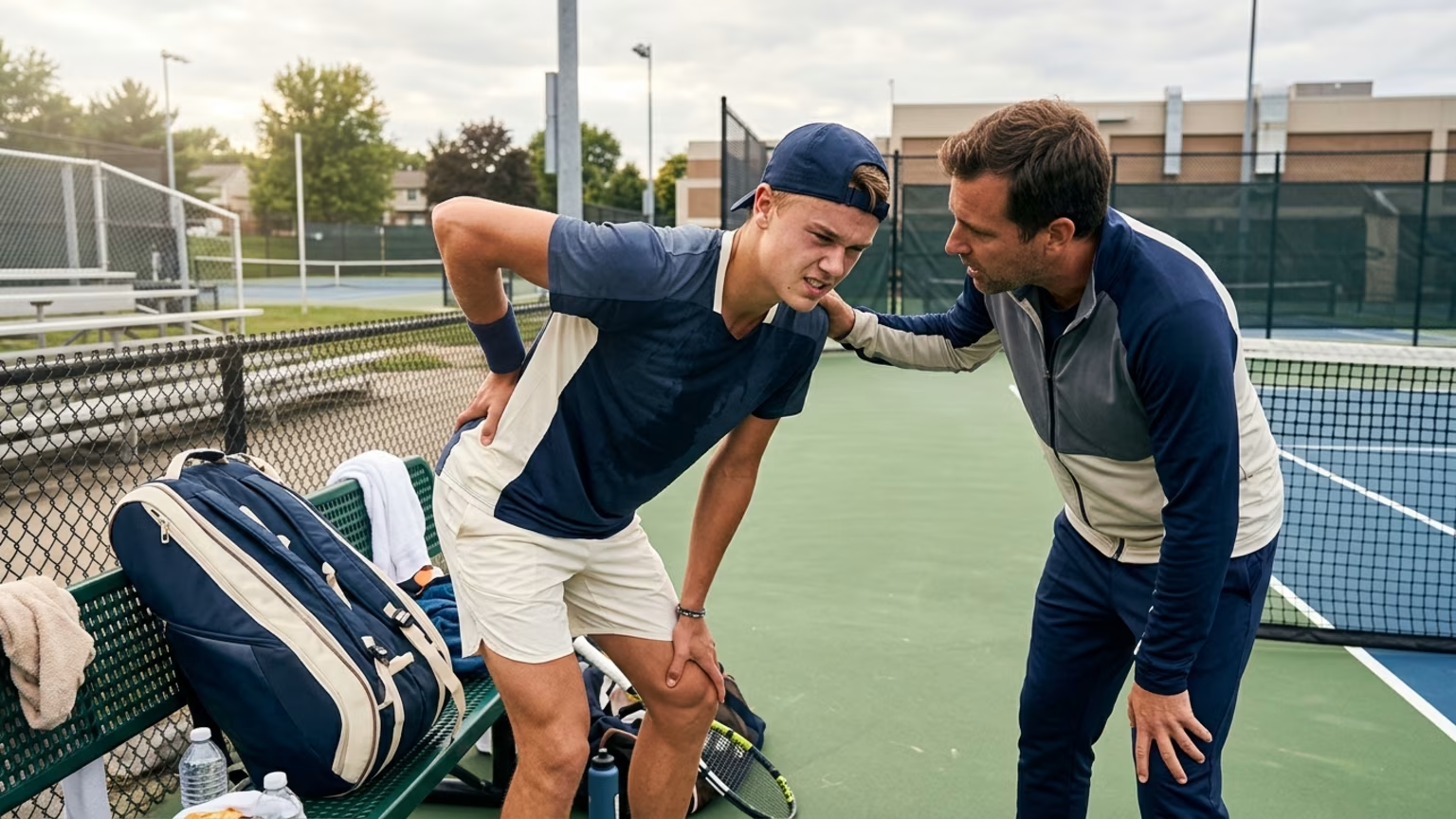
Holger Rune withdrew from the European Open with a back problem. The facts behind his decision and a grounded perspective for recreational players.

The Dink’s October 17 guide emphasizes deep returns, ball-height decisions and positioning against faster pickleball opponents.

A new report outlines padel and tennis gear trends. Learn how to assess adjustable rackets, sensor feedback and smart-court claims.
Read practical guidance for better movement, smarter preparation and a game that keeps working for you.
explore the Blog
