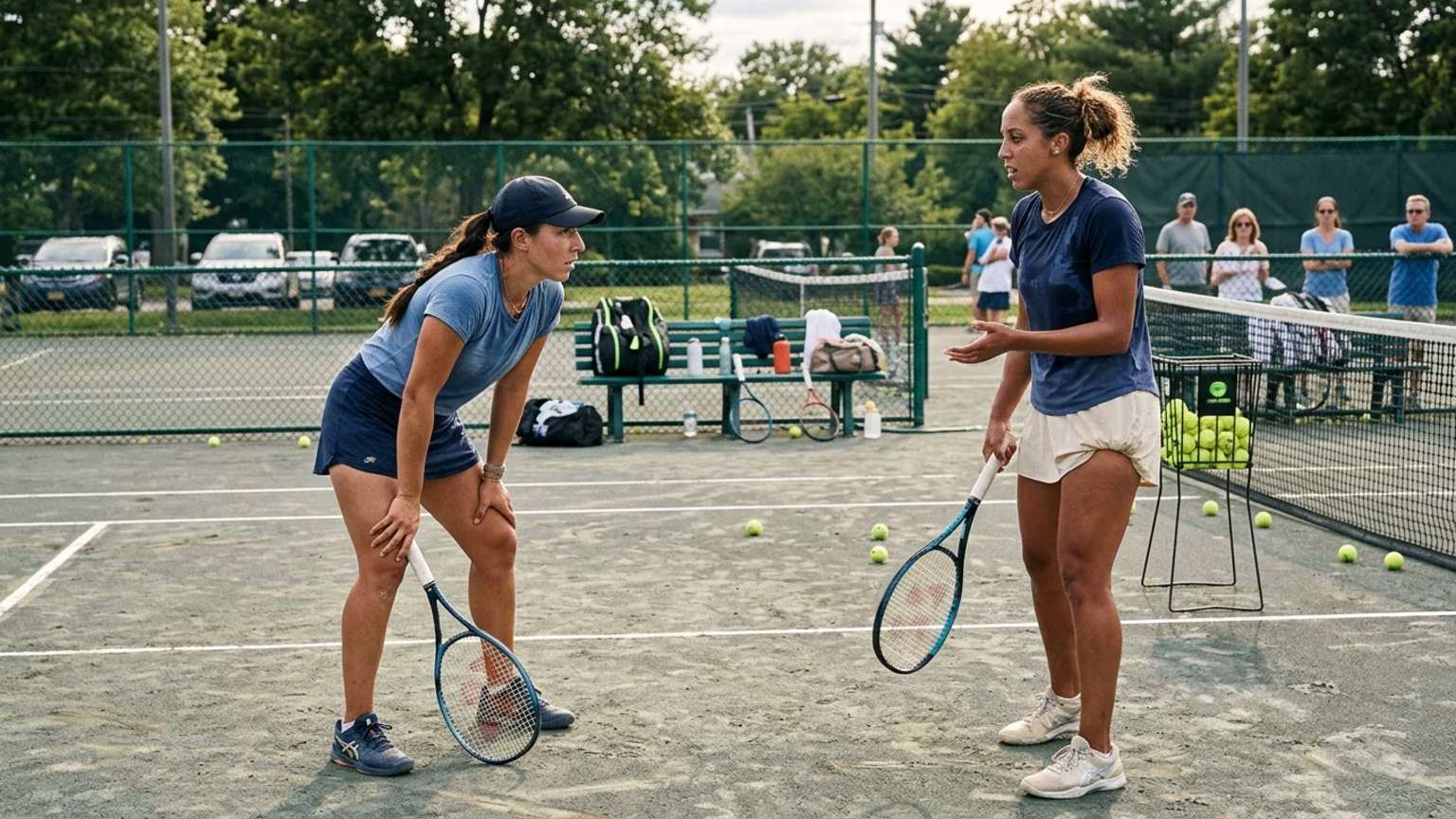

Pegula’s recovery comments and reported concerns from Keys put tennis workload in focus, with a practical perspective for adult recreational players.




On October 14, 2026, Fakti reported that Jannik Sinner had ended his 2026 season early after a right-knee injury and relayed workload concerns attributed to Jessica Pegula and Madison Keys.
According to Fakti, Sinner chose specialized treatment to protect his long-term future. The outlet attributed concerns about the tight tour schedule and accumulated matches to Pegula. It reported that Keys focused on his sharp stops, hard-court slides and rapid changes of direction.
The WTA’s own reporting gives Pegula’s recovery comments more concrete context. After reaching the US Open semifinals, she withdrew from Singapore and Beijing before returning at the Wuhan Open. Pegula said she can feel run down after a big tournament and tries to recognize when she has reached a physical and mental threshold.
In that account, Pegula described allowing her body to recover after the activity and adrenaline of the preceding months. Her example puts an individual decision behind the broader workload discussion: she stepped away from competition before returning.
The accounts have clear limits. Fakti does not provide direct quotations from either player or identify when or where the remarks were made. Neither report establishes that Sinner’s movements caused his injury or supplies measured knee loads, injury rates or a recovery schedule for recreational players. Pegula’s account describes her experience rather than a tested rule for club tennis.
For adult recreational players, the useful distinction is between learning from an elite player’s decision and copying it. Pegula’s experience supports paying attention to accumulated fatigue and recovery. The practical question is how that principle fits a player’s own tennis commitments rather than how closely those commitments resemble a tour calendar.
A cautious application is to review the overall pattern of play when feeling run down. Instead of judging every match in isolation, consider the commitments already completed and those still ahead. The purpose is to make the schedule visible before deciding whether every planned session still deserves its place.
That review can stay simple. Relevant questions include:
These are reflection prompts drawn from Pegula’s account, not a scoring system. They keep the decision centered on the player’s experience. They also leave room for an adjustment in optional court time without turning a professional withdrawal into a template everyone must follow.
This is the same planning question behind balancing demanding tennis sessions with recovery. The editorial priority is to give recovery a place in the discussion before the calendar makes the decision by default. Reducing optional volume can be considered as part of that review rather than presented as an automatic response after every demanding match.
Keys’ reported observations concern a different part of the discussion: how Sinner moves during points. Fakti highlighted abrupt stops, aggressive slides on hard surfaces and quick changes of direction. Those descriptions belong alongside the workload story rather than being treated as an explanation for his injury.
For a weekend league player, the useful response is to separate movement questions from scheduling questions. A concern about how a particular stop or slide feels is different from feeling run down after accumulated matches. Keeping those questions distinct makes a conversation with a coach or clinician more specific.
The broader context of how elite players approach off-court preparation is relevant here. But the immediate news is about reported movement demands and one player’s account of recovery. It is not a reason to copy an elite movement style or to abandon a familiar one based on a headline.
Pegula’s account offers a useful way to frame recovery: as something that can influence a competitive decision. In the WTA report, recognizing her threshold mattered alongside her desire to return to competition. For recreational players, that makes recovery a legitimate part of planning rather than an afterthought.
The practical interpretation is modest. When accumulated fatigue is becoming part of the playing experience, reviewing optional commitments is more useful than assuming that pushing through is the only serious approach. The decision can acknowledge both enjoyment of the game and the aim of continuing to play over time.
A related perspective is to think about recovery without rigid post-match rules. The point is not to replace one inflexible schedule with another. It is to make room for an informed decision about the next session instead of treating a plan made earlier as an obligation that cannot change.
Where pain or an existing injury makes that decision personal, qualified clinical advice is the appropriate place for individual guidance. A tour report can start a useful conversation without settling someone else’s medical or return-to-play decisions.
Over the next season, watch how clearly players explain the decisions behind withdrawals and returns to competition. Pegula’s account is useful because it connects feeling run down with a specific choice about her schedule. More reporting at that level would give the workload debate substance beyond general warnings about demanding tennis.
Movement coverage deserves similar precision. The most useful follow-up would distinguish what a player or observer notices from what has actually been assessed. That would keep striking descriptions of stops and slides from carrying more medical meaning than the reporting supports.
For adult players, the editorial priority should remain straightforward: treat recovery as part of planning and keep movement concerns specific. The next step in this conversation should be better explanations of individual decisions, not a universal rest formula borrowed from the professional tour.
Follow Evercourts for practical insights on tennis, pickleball and padel performance, movement, recovery and healthy ageing. Stay connected for new articles, research-led guidance and ideas to help you play well and keep playing for years.


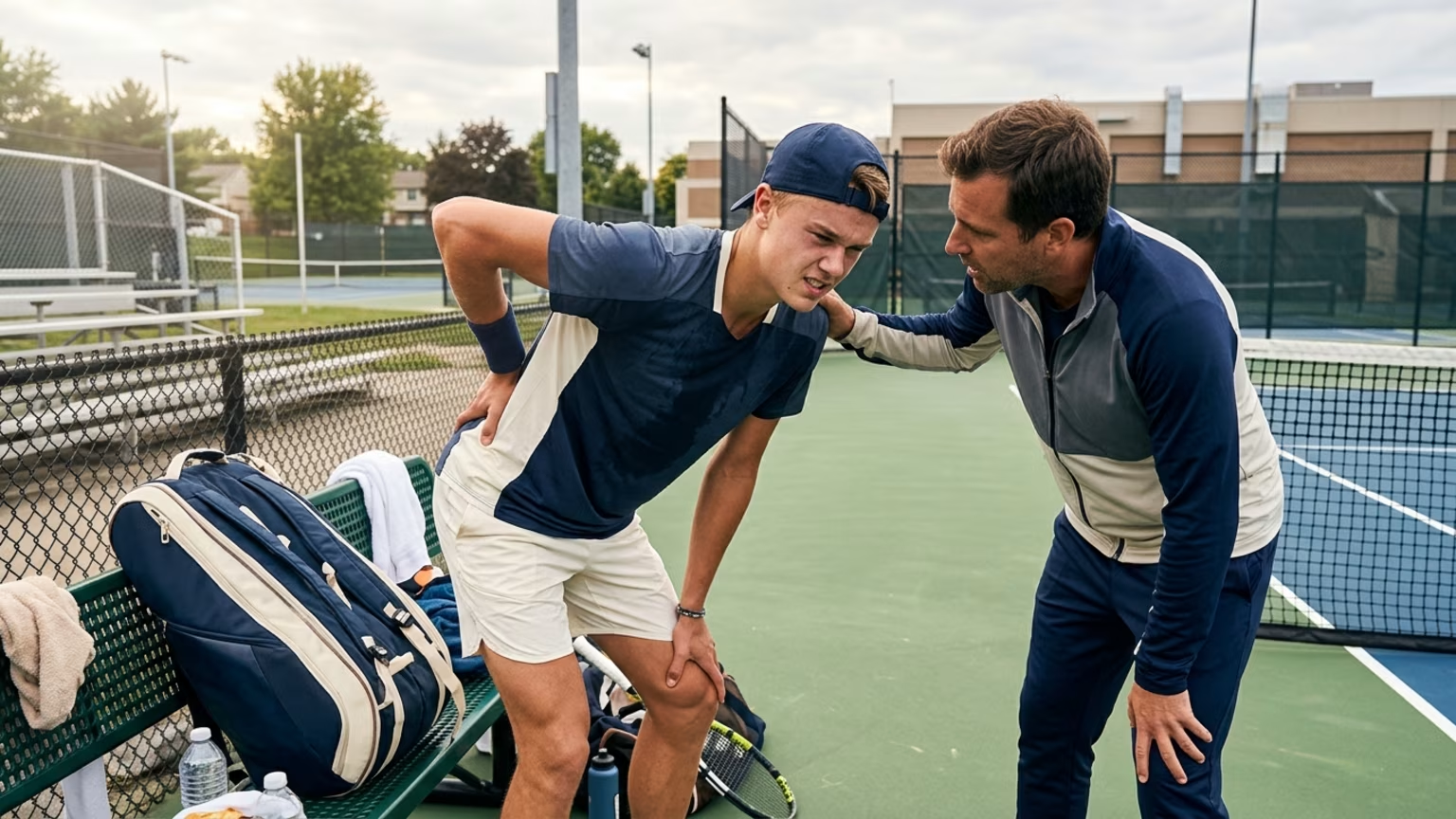
Holger Rune withdrew from the European Open with a back problem. The facts behind his decision and a grounded perspective for recreational players.

The Dink’s October 17 guide emphasizes deep returns, ball-height decisions and positioning against faster pickleball opponents.

A new report outlines padel and tennis gear trends. Learn how to assess adjustable rackets, sensor feedback and smart-court claims.
Read practical guidance for better movement, smarter preparation and a game that keeps working for you.
explore the Blog
