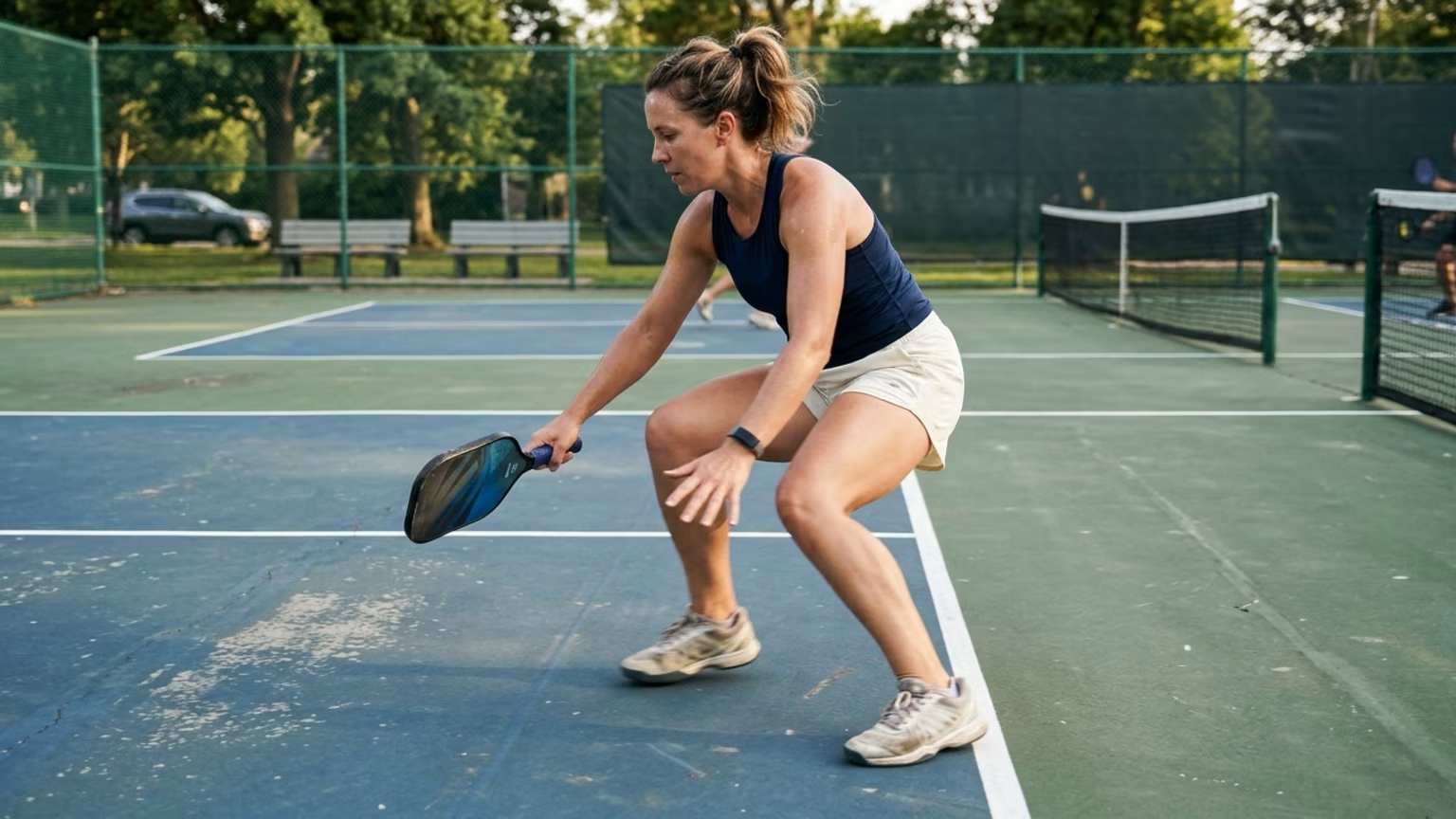

A practical look at pickleball balance, leg strength and controlled stopping, with exercise examples and clear limits on injury-prevention evidence.




Balance is staying steady while your body moves, and braking is slowing that movement under control. In pickleball, both belong in the discussion about recovering after reaching for a ball. Getting there is only part of footwork.
Leg strength belongs in that discussion too. Pickleball-focused coaching material presents side-to-side strength, single-leg balance and controlled shuffling as useful training priorities. These give movement preparation a broader focus than simply getting quicker.
The distinction is straightforward: balance concerns steadiness, strength concerns the work of the legs and braking concerns slowing down. Thinking about these qualities separately makes it easier to understand what an off-court exercise is intended to practise.
A pickleball-focused health article describes short-court play as involving repeated reaching and changes of direction. That makes the position after a reach worth considering alongside the reach itself. Contact with the ball is not the end of the movement question.
Tennis and padel bring the same basic start-stop question into different court settings. Repeated explosive efforts involve moving out of a settled position and managing another change of direction. Seen through that lens, balance is not only something to hold while standing still.
For pickleball practice, this shifts attention toward the whole sequence: moving toward the ball, controlling the finish and preparing for what follows. It is a useful way to organise movement work without making maximum speed the purpose of every exercise.
Evercourts examines the stopping side of court movement as a separate part of footwork. The relevant question here is simple: does practice give controlled stopping any attention at all?
According to a published-study summary, a 2025 analysis examined US emergency-department data covering 2013-2022. Falls accounted for 65.5% of the recorded pickleball injuries. Fractures were the most common diagnosis at 32.7%, and 61.1% of injured patients were ages 65-80.
The practical exercise material comes from a different kind of source. A pickleball-focused coaching guide suggests lateral lunges, band walks and controlled shuffles for side-to-side strength. It also describes single-leg work as a way to practise balance and recovery after reaching. Separately, a practitioner column recommends deceleration and joint-control work alongside general strength training.
These US emergency-department records describe injuries reaching that setting, not every injury or an individual player's risk per match or hour. They do not show that balance or braking exercises prevent pickleball injuries. The exercise progression below is an editorial adaptation of coaching suggestions rather than a tested pickleball-specific protocol. The sources also do not measure braking forces or compare the demands of tennis, pickleball and padel.
The practical conclusion is to treat balance, lateral strength and controlled stopping as qualities worth practising. Injury records provide context. Coaching suggestions provide examples. Neither needs to become a promise of protection for the discussion to be useful.
For adult players, athletic longevity means keeping the physical capabilities that make continued play possible and enjoyable. In that context, off-court work can have a clear purpose without becoming a contest over exercise difficulty. The aim is to give relevant movement qualities regular attention.
A useful organising question is whether an exercise matches current ability. A movement that requires support can still have a place in practice. A more demanding version is not automatically the better choice for the person doing it.
The coaching examples can be arranged from supported and controlled movements toward more demanding single-leg or lateral tasks. This keeps the progression focused on movement quality rather than an arbitrary deadline.
The most approachable version begins with support where balance is limited. A smaller range of motion can also make a strength movement more manageable. The guiding standard in the research packet is that the movement remains controlled and comfortable.
That provides a practical definition of scaling. It means changing the task to fit present ability rather than expecting every player to begin with the same version. Support is part of the exercise choice, not something that must be removed immediately.
Lateral lunges and band walks are examples offered by the coaching guide for side-to-side strength. Their inclusion gives the strength work a clear movement theme. They are examples to consider rather than a universal exercise list.
Within this approach, a smaller comfortable movement belongs before a more demanding version when strength or balance is limited. Progression depends on retaining control and comfort. It does not depend on reaching a particular repetition count or matching another player's exercise.
For a wider movement framework, Evercourts connects footwork with the actions behind it. That keeps the discussion centred on the task being practised rather than the exercise's appearance.
Single-leg work and controlled shuffles are further examples from the coaching material. They bring balance and side-to-side movement into the session in different ways. More demanding versions belong later in the progression only when the movement remains controlled and comfortable.
This is also where exercise selection needs a clear purpose. Is the focus steadiness, lateral strength or a controlled finish? Keeping that question visible gives practice a more specific direction than simply collecting exercises.
For pickleball context, that discussion sits alongside how a balanced kitchen-line position is organised. The broader editorial point is to connect physical preparation with understandable movement tasks. Long-term participation is the goal, not the difficulty of any single drill.
General coaching examples are not enough when personal health concerns affect exercise choices. Reasons to consult a qualified physiotherapist or healthcare provider include:
Those situations call for individual advice rather than simply choosing a smaller or slower version from an article. A clinician can help address the personal questions that a general movement framework leaves open.
For adult players, recognising that distinction is part of taking continued participation seriously. There is room for ambition without treating every physical concern as something to train through.
A lasting relationship with the court leaves space for both the next point and the years beyond it.
Follow Evercourts for practical insights on tennis, pickleball and padel performance, movement, recovery and healthy ageing. Stay connected for new articles, research-led guidance and ideas to help you play well and keep playing for years.


Understand braking and recovery on court, how planned routes differ from reactive practice, and when movement concerns call for professional guidance.
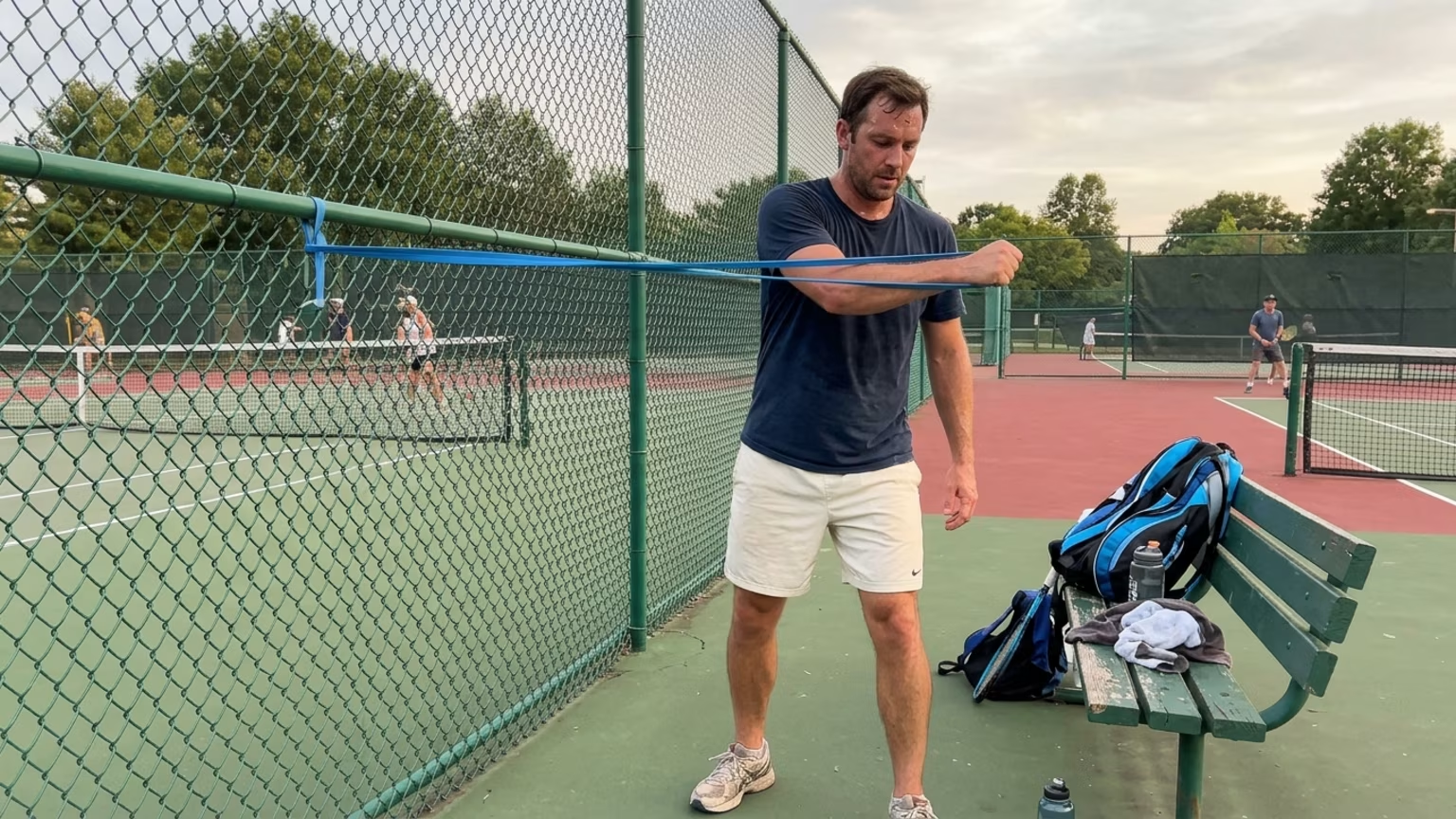
Understand tennis shoulder demands, the role of whole-body preparation, the limits of prevention claims and when persistent pain needs professional attention.
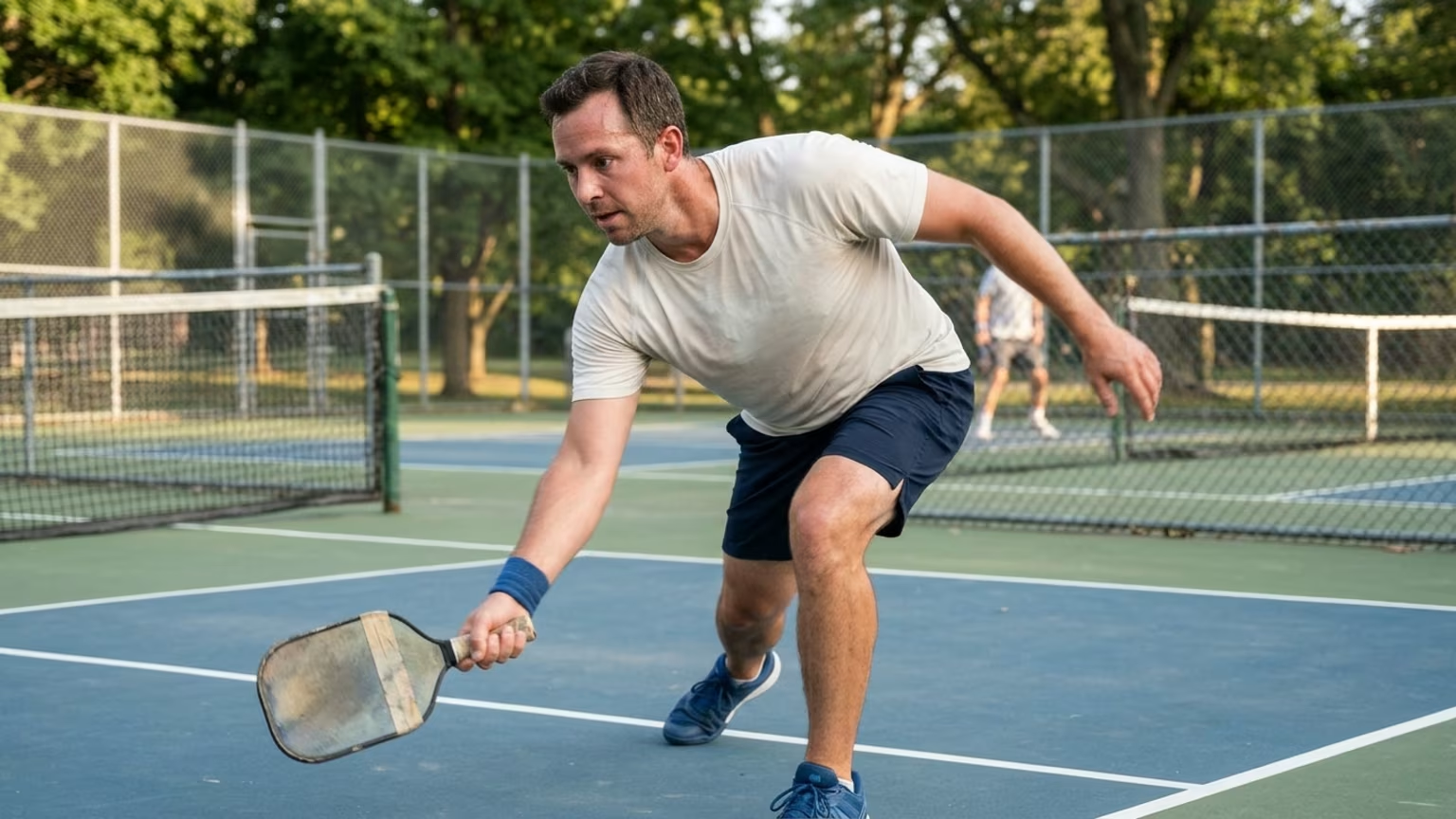
A practical strength framework for tennis, pickleball and padel, with movement-based exercise options, evidence limits and guidance on seeking help.
Read practical guidance for better movement, smarter preparation and a game that keeps working for you.
explore the Blog
