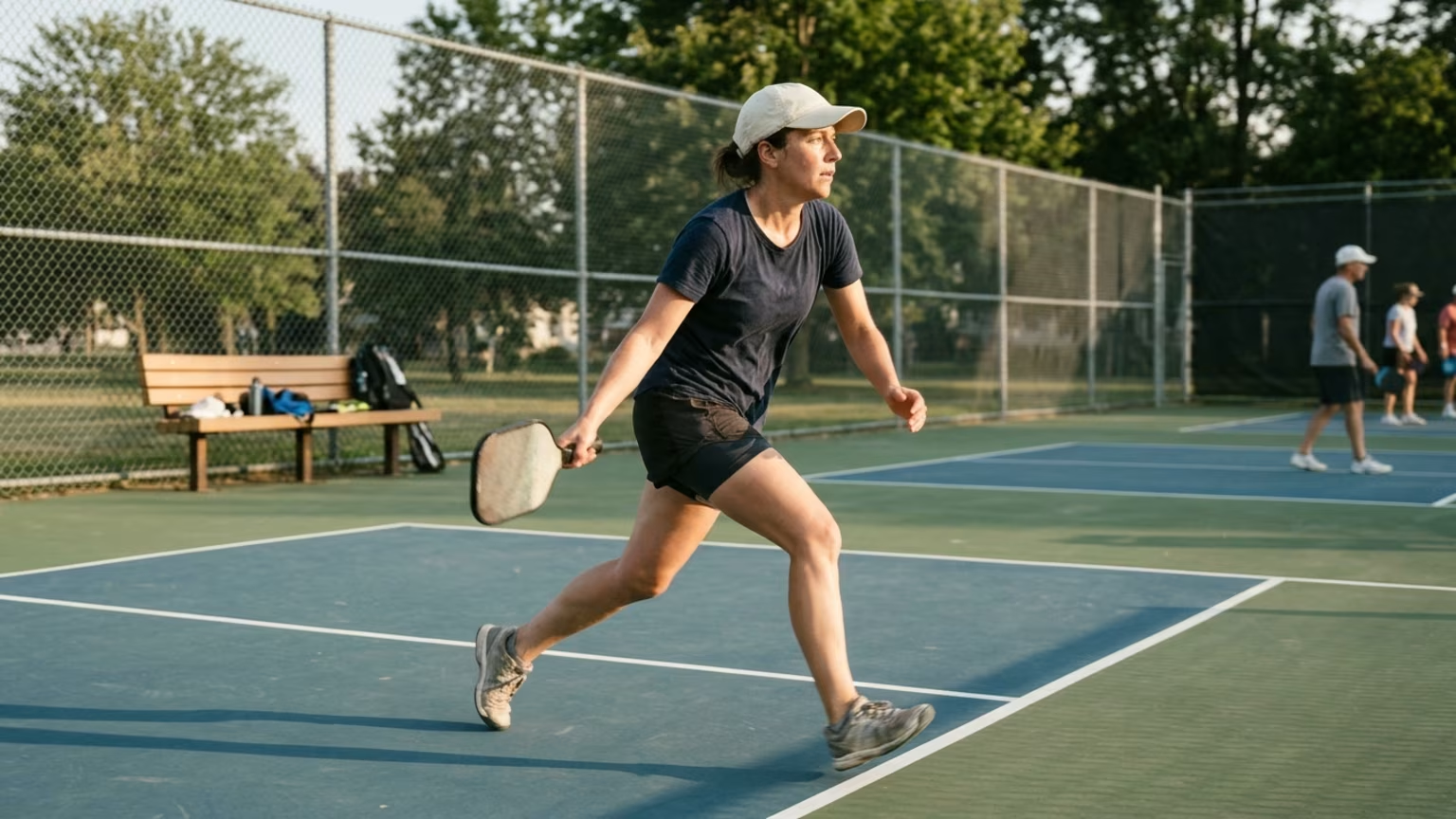

An evidence-led look at pickleball lunges, balanced recovery, movement practice and when to seek professional advice.




Court recovery is the movement from reaching or lunging for a ball back to a balanced position for the next shot. It includes what happens after contact, not just the effort to get the paddle to the ball.
For a low reach, the practical questions involve hip movement, leg strength and balance. Can you get into a comfortable position? Can you return from it with control? Those questions make the whole movement worth practicing rather than treating contact as the finish line.
This is a movement-skills discussion, not a rehabilitation plan. The useful starting point is a controlled reach and a balanced return. Reaching farther is not automatically the better practice goal.
Tennis, pickleball and padel combine repeated short bursts of effort with changes of direction. As a coaching lens, each burst has several parts: getting to the ball, controlling the movement and becoming ready again. A successful contact does not necessarily mean the whole sequence felt controlled.
In tennis, consider the reach together with the movement back toward a useful court position. The practice question is not simply whether the racquet found the ball. It is whether the player could finish that effort ready for another direction change.
In pickleball, this lens keeps attention on the return from a low reach. Rather than making paddle contact the sole measure of success, a practice task can include regaining balance afterward. This is a practical interpretation of the movement challenge rather than a tested injury-prevention method.
In padel, the same lens applies to repeated adjustments and direction changes. The useful question is what movement remains available after the shot. These examples apply a shared coaching idea without assuming that the sports have identical demands.
For more context, consider how movement priorities change between singles and doubles. Keep the movement task connected to the court situation rather than treating every reach as an isolated exercise.
A 2024 study by Ches Jones and Bart Hammig analyzed U.S. National Electronic Injury Surveillance System emergency-room data to examine pickleball-related injury patterns. The researchers reported differences across age groups. Their work provides injury context rather than instructions for performing a lunge.
The Dink’s coverage of a systematic review identifies falls, forward running or lunging, and ankle inversion among reported lower-extremity injury mechanisms. Ankle inversion means the ankle rolls inward. The article also reports recommendations involving dynamic warm-ups, balance work and footwear guidance.
A practitioner writing in a local newspaper recommends hip and leg mobility alongside single-leg hinges. The same column includes landing control, deceleration practice and strengthening through squatting and hinging patterns. These suggestions give the movement discussion practical content without turning every low position into a problem.
The evidence limits belong together: emergency-room cases do not establish injury incidence across all players, and the study abstract does not give a detailed breakdown of lunge-related injuries. The Dink notes that pickleball-specific warm-up protocols have not been compared head-to-head. The practitioner column is guidance rather than a controlled trial. These sources do not establish a validated reach-and-return sequence, a training dose or a quantified reduction in injury risk.
The research brief supports comfortable reaches with attention to balance on the return as a general practice idea. Treat both parts as the task. The observation is whether the movement remains controlled rather than how far the paddle can travel.
Useful questions for that practice include:
These questions give a player and coach something concrete to discuss. They also keep attention on the part of the movement that can be overlooked when the only goal is touching the ball.
The practitioner guidance identifies balance-related work and slowing down under control as useful preparation themes. Those themes can sit alongside reach-and-return practice rather than being squeezed into one complicated drill. Single-leg hinges and controlled landing practice are examples from the column.
There is no detailed exercise prescription here. Exercise selection and technique are matters for an appropriately qualified professional when personal limitations or symptoms need consideration. For an editorial explanation of the court sequence, see our discussion of the first step, braking and recovery.
For athletic longevity, a useful aim is maintaining movement options rather than repeatedly testing the deepest position available. That is a practical priority: a reach that feels manageable and a return that remains part of the task. It keeps practice connected to continued participation.
Jones and Hammig encouraged pickleball as physical activity while recommending age-group-specific interventions. Their conclusion supports a balanced message. Participation has value, and preparation should account for the person rather than treating every adult player as interchangeable.
Understanding the whole movement also provides a clearer way to describe a difficulty. “I can reach the ball but struggle to come back” is more useful information for a coach or physiotherapist than a general complaint about footwork. It identifies the part of the task that deserves attention without naming a diagnosis.
A simple record of how court sessions feel can provide a place to note those observations. The purpose is to describe your experience clearly. There is no need to turn each session into a self-test or assign yourself a medical explanation.
Keep the distinction between a practice objective and a performance promise. Controlled reaching, balance and deceleration are sensible topics for movement preparation. The long-term editorial priority is to support enjoyable participation with information that respects both the sport and the individual.
Recurring discomfort during a reach or return is a reason to discuss the task with a qualified physiotherapist. The same applies when balance repeatedly breaks down or you cannot find a comfortable way to complete the movement. These are prompts for individualized assessment rather than labels for a particular injury.
Bring a description of where the difficulty occurs: moving toward the ball, holding the reaching position or returning from it. That gives the professional a clear account of the task you want help with. Avoid choosing a rehabilitation exercise solely because it resembles a court movement.
Heart-health concerns belong with a healthcare provider rather than a footwork drill. Jones and Hammig specifically recommend medical approval for people at risk of heart conditions. Their recommendation is risk-based, not a blanket requirement for every older player.
Play with the return in mind.
Follow Evercourts for practical insights on tennis, pickleball and padel performance, movement, recovery and healthy ageing. Stay connected for new articles, research-led guidance and ideas to help you play well and keep playing for years.


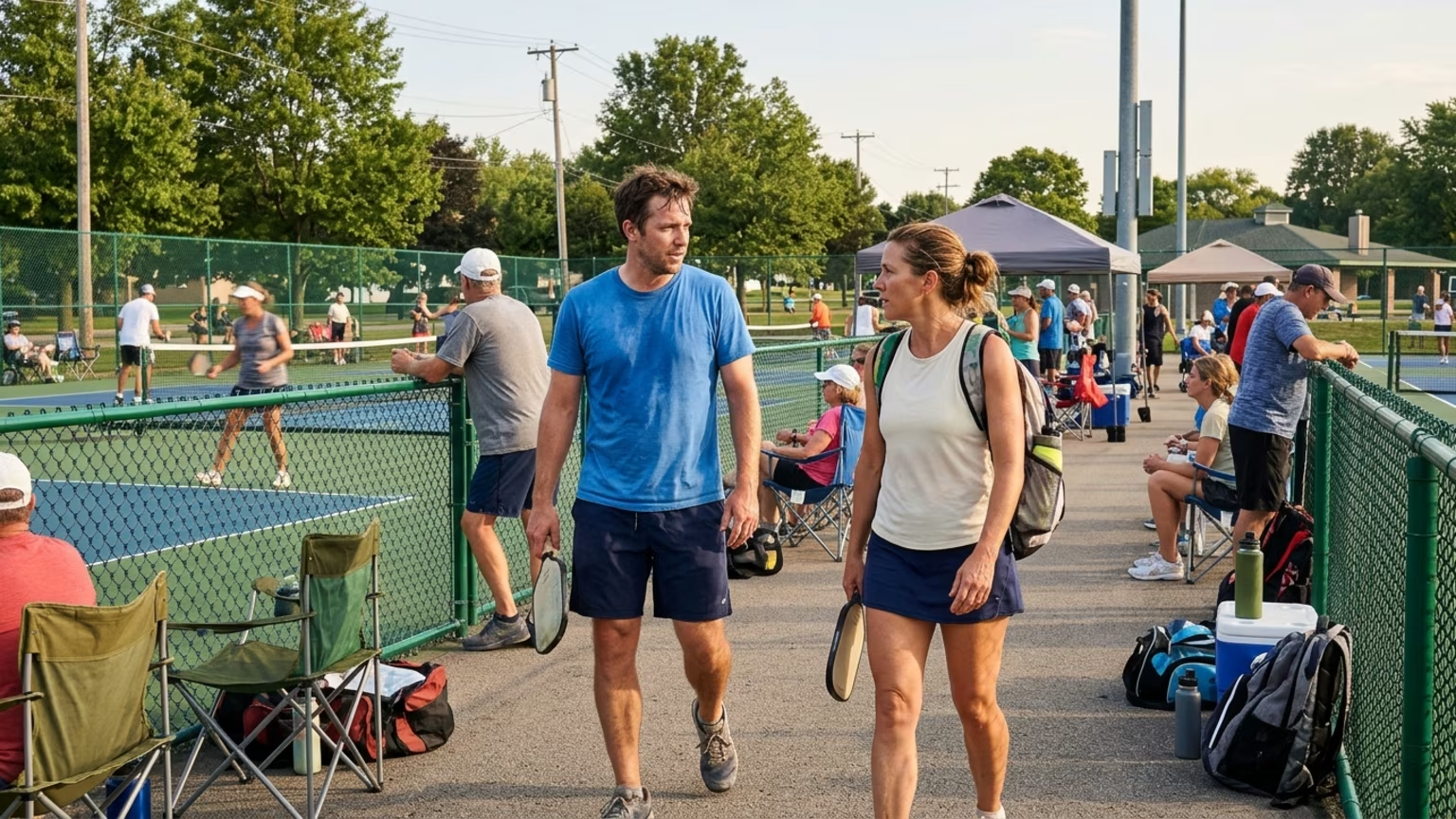
A practical tournament-day mailbag covering schedules, venue rules, food, fluids and flexible plans for tennis, pickleball and padel.

Understand tennis's strength, power, balance and braking demands, with a cautious framework for off-court preparation and long-term play.
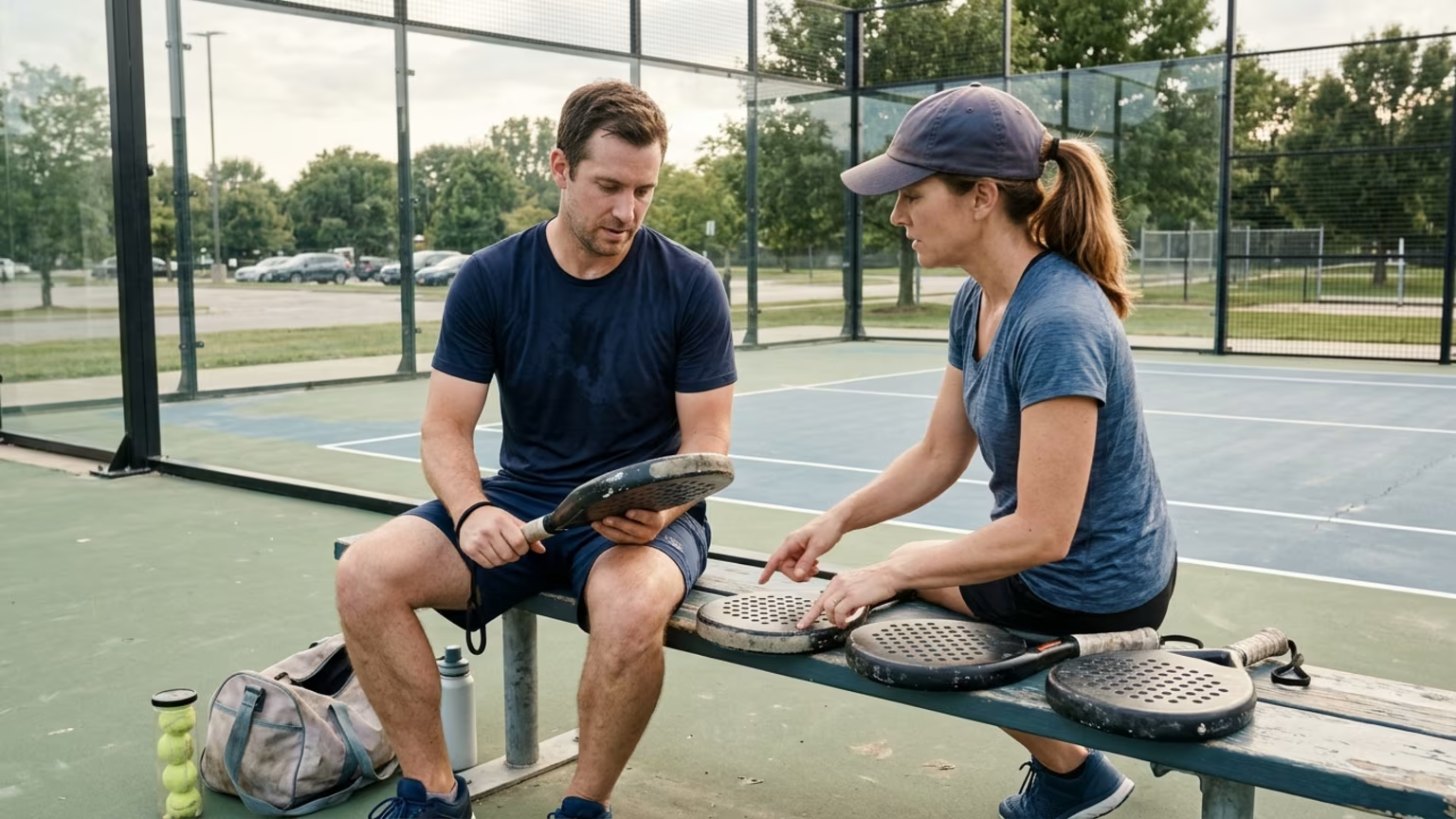
Answers to padel racket questions about weight, balance, shape and grip, with practical trial prompts and guidance on persistent discomfort.
Read practical guidance for better movement, smarter preparation and a game that keeps working for you.
explore the Blog
