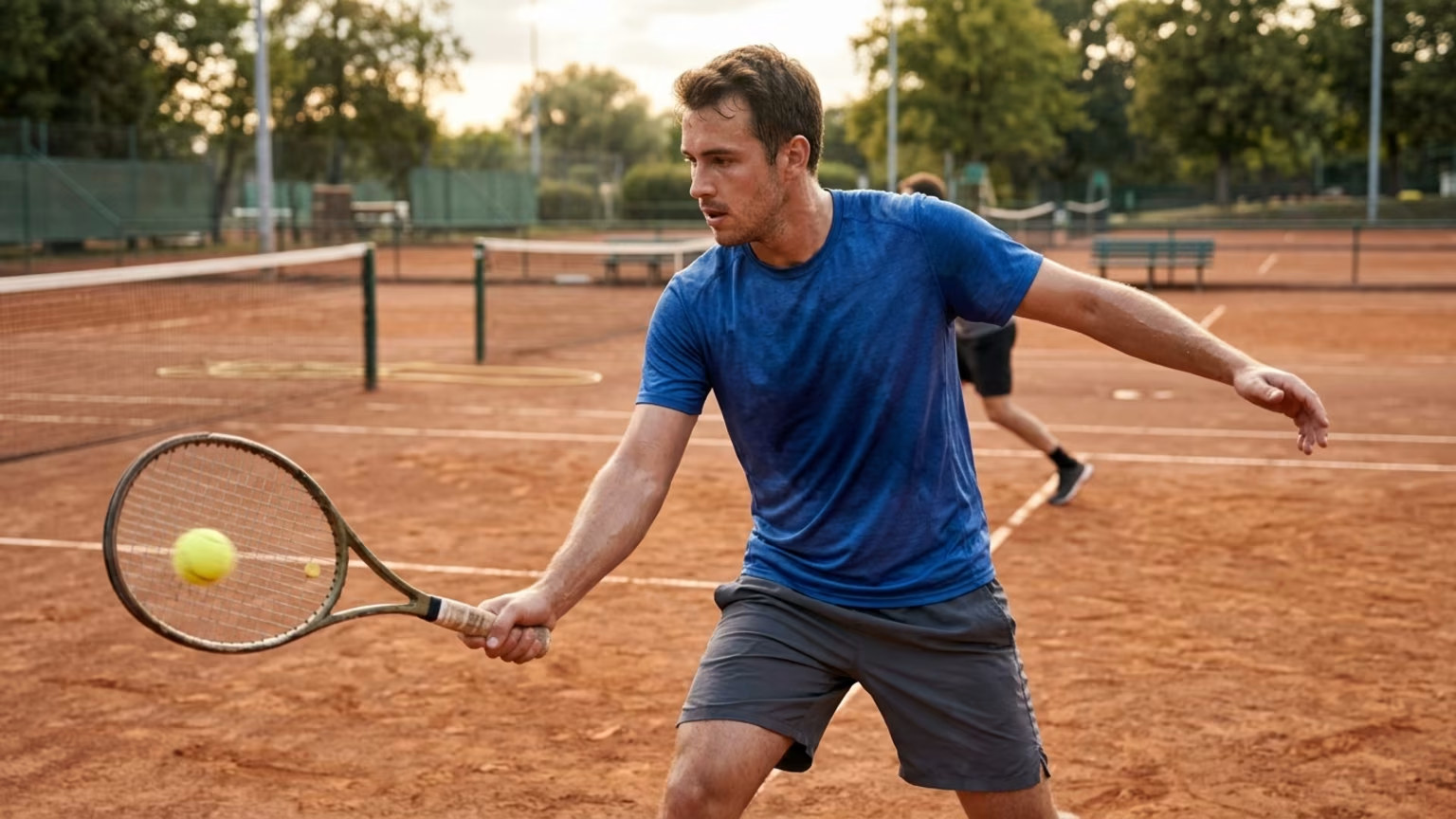

Master the 25 seconds between points to preserve physical energy, avoid early fatigue, and maintain tactical discipline during long racquet sports matches.




Tennis gives players a maximum of 25 seconds between the end of one point and the start of the next serve. This short window dictates whether you finish a match strong or fade early. Most amateur players waste this critical time rushing into the next exchange without a plan. Trying to win every single point with maximum physical exertion is a guaranteed path to exhaustion.
The common belief that you must push yourself relentlessly on court is a dangerous misconception. Tactical discipline always beats raw hustle during a grueling three-set match. Pacing yourself preserves movement quality when fatigue inevitably builds up over time. Conserving your physical resources is an essential part of any longevity game plan for adult athletes.
Instead of sprinting to the baseline, experienced players use the clock to their advantage. A calm routine allows you to focus on strategy rather than just surviving the rally. Controlling your heart rate between points keeps your decision-making sharp under intense pressure. Every bit of saved energy translates into better footwork during the crucial final games of a set.
Social media fitness marketing constantly promotes aggressive play and maximum-effort training. This messaging convinces amateur players that winning requires explosive speed on every single shot. The reality on the court is far less dramatic and much more methodical. Aging players need a repeatable match-management framework rather than constant emergency sprinting.
Professional athletes already recognize the dangers of an overloaded schedule and insufficient rest. The Professional Tennis Players Association recently linked a series of withdrawals at the Canadian Open to concerns about a lengthy professional calendar. They noted that reduced recovery time increases injury risks for elite competitors. If top-tier professionals struggle with excessive workloads, adult recreational players must definitely prioritize pacing and deliberate rest.
We often forget that recreational athletes lack the recovery resources of touring professionals. When fatigue sets in, amateur players typically experience delayed reactions and sloppy footwork. Pushing through this exhaustion often leads to poor shot selection and preventable soft tissue injuries. The goal should be efficient execution rather than demonstrating how much physical punishment your body can endure.
When I first started playing pickleball, I noticed how many people skipped warming up entirely. They would jump straight out of their cars and right up to the kitchen line. I tried doing that and immediately pulled a calf muscle. Pickleball requires just as much explosive lateral movement as tennis, just in a tighter space.
Since then, I always spend five minutes doing dynamic lunges and ankle rolls. It changes everything about how confident I feel pushing off the baseline. Proper preparation and intelligent pacing create a sustainable approach that supports healthy aging on court. Routine maintenance is the true foundation of athletic longevity for racquet sports players.
The interval between points is not merely dead time for professional athletes. Players use this period to walk, regulate breathing, select a tactic, and prepare emotionally. Deliberate pacing allows competitors to lower their heart rate and clear their minds before serving. This mental reset keeps players engaged without burning unnecessary physical fuel.
The Washington Post described Emma Navarro using nearly the entire interval after falling behind at the DC Open. She looked upward, paced toward the back wall, and returned to the baseline with 15 seconds remaining. She then took a heavy breath, closed her eyes, and made a mental note before serving. This structured approach helps athletes manage competitive stress and maintain absolute tactical clarity.
Navarro has reportedly used the specific cue "Commit to it, and trust it" as part of her serve-and-return routine. This short phrase acts as a compact decision rule instead of a complex mental demand. Finding a simple focal point prevents overthinking and reduces mental fatigue during long matches. Simplifying your choices helps preserve your cognitive energy for critical late-game moments.
The Washington Post report suggests that professional players do not all use the 25 seconds identically. Some athletes remain highly interactive with the match, while others place greater emphasis on a structured reset. A useful routine should be highly individualized to suit your specific personality. A player who becomes rushed may need more deliberate breathing, while a passive player might need an aggressive tactical reminder.
Coaching guidance recommends monitoring your body for common tension signals during a difficult match. A tight forearm, elevated shoulders, or a clenched jaw are clear indicators of physical stress. Players must actively release these tension points before initiating the next point. Carrying residual muscle tightness into a rally significantly reduces your fluid movement and power generation.
Environmental factors heavily influence how you should manage your physical energy during outdoor matches. Guidance citing the American College of Sports Medicine recommends beginning exercise hydrated and drinking consistently. You must adjust fluid and electrolyte intake for body size, sweat rate, intensity, and environmental conditions. Ignoring these basic physiological needs will quickly neutralize any tactical advantage you possess.
You can build a reliable routine by treating each point as a separate and closed event. Start by turning away from the previous point and letting go of unnecessary physical tension. Walk deliberately while dropping your shoulders, loosening your grip, and taking a slow exhale. This physical release stops you from carrying avoidable stress into the next demanding rally.
Use the remaining seconds of your routine to choose one simple tactical intention. A clear mental decision helps you prioritize balance and spacing instead of hitting every ball forcefully. Selecting high-margin targets keeps you in the point without requiring maximum physical exertion. This selective effort is vital when learning how to play against better athletes.
Your recovery position also dictates how much energy you spend running between shots. Players often assume they must sprint back to the exact geometric center of the court. A more efficient tactic is recovering toward the position that best covers your opponent's most likely reply. This positional discipline significantly reduces low-value running and preserves your legs.
You should actively practice this match-management framework during your regular training sessions. Require yourself to complete a four-part sequence after every practice point. Focus entirely on your ability to release tension, breathe deeply, choose a target, and commit to the shot. Building this specific habit in practice ensures it holds up under the pressure of competition.
Consider playing a practice set where your primary goal is maintaining your pacing routine. Focus on executing your steps after winning, losing, serving, and enduring long rallies. Track whether mounting fatigue causes rushed preparation, poor shot selection, or excessive tension. Review your performance by identifying the exact moment your pacing routine started to break down.
Tournament pacing requires attention to your body both during and between competitive matches. Pickleball tournament guidance similarly emphasizes that recovery is multidimensional when facing a long day of play. Carbohydrate, protein, fluids, and rest all matter when players have multiple matches or limited time between games. Managing your nutrition and rest periods is just as important as your on-court strategy.
Long changeovers provide the perfect opportunity for a complete physical and mental reset. Sit down, drink fluids, assess your fatigue levels, and choose one specific adjustment for the next game. Avoid trying to overhaul your entire technique during a brief rest period. Making small, focused changes allows you to stay calm and execute your game plan effectively.
You must constantly monitor yourself for serious physiological warning signs during intense play. Stop playing and seek medical attention if fatigue is accompanied by dizziness, confusion, vomiting, or fainting. Difficulty cooling down is a clear sign of heat-related illness that tactics cannot fix. Your long-term health is always more important than finishing a recreational match.
Mastering the 25 seconds between points allows you to control the match pace, conserve vital physical energy, and execute your strategy consistently.
Follow Evercourts for practical insights on tennis, pickleball and padel performance, movement, recovery and healthy ageing. Stay connected for new articles, research-led guidance and ideas to help you play well and keep playing for years.


Holger Rune withdrew from the European Open with a back problem. The facts behind his decision and a grounded perspective for recreational players.

The Dink’s October 17 guide emphasizes deep returns, ball-height decisions and positioning against faster pickleball opponents.

A new report outlines padel and tennis gear trends. Learn how to assess adjustable rackets, sensor feedback and smart-court claims.
Read practical guidance for better movement, smarter preparation and a game that keeps working for you.
explore the Blog
