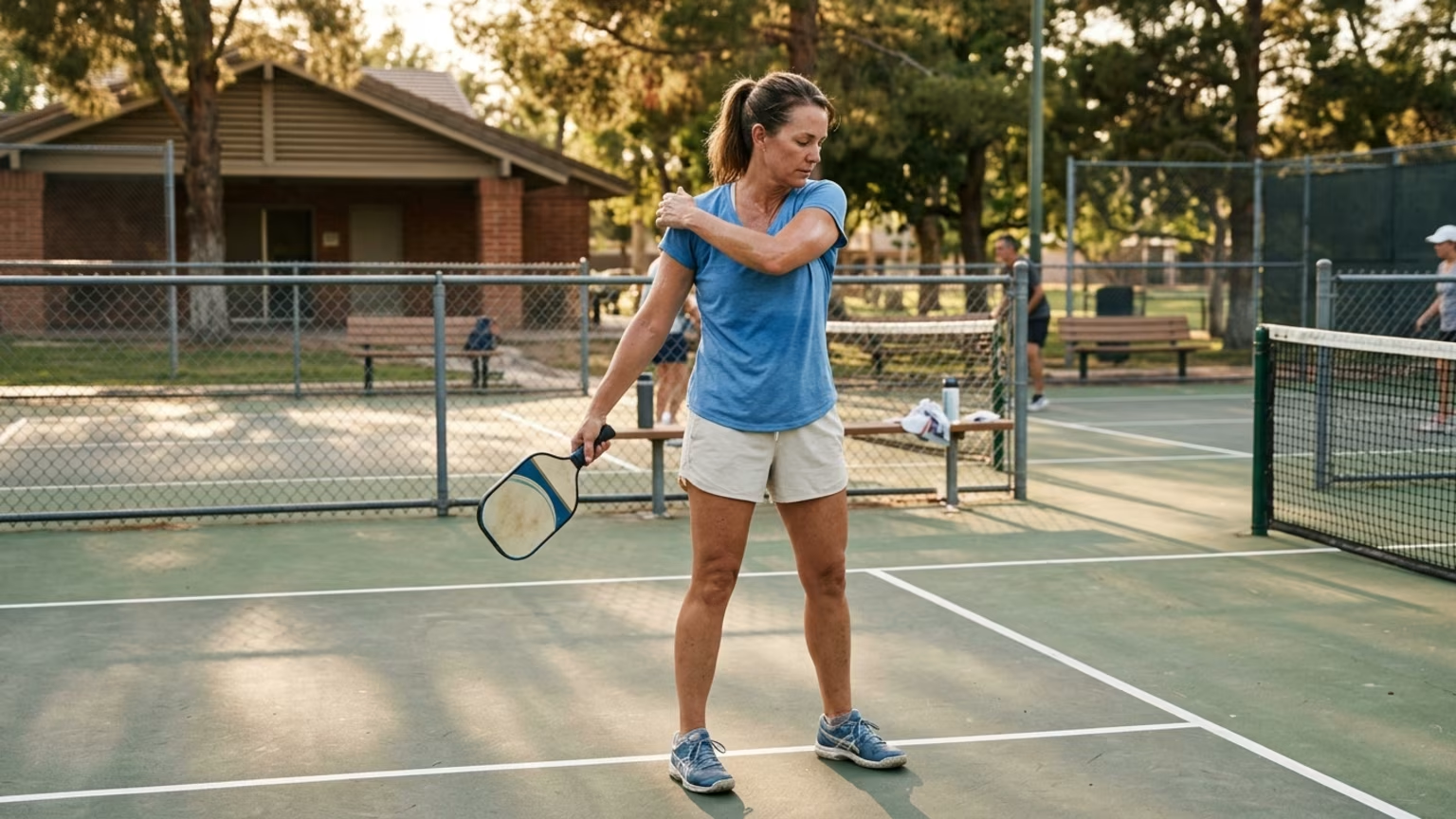

A new clinical guide outlines practical ways to prevent pickleball injuries. Learn how dynamic warm-ups, torso mechanics, and paddle setup support safe play.




On September 19, 2026, The Standard Hong Kong released a comprehensive clinical guide featuring orthopaedic surgeon Dr. Li Cheung-hong that outlines practical methods for reducing shoulder and tendon injuries in pickleball. The publication details specific mechanical adjustments, equipment modifications, and dynamic movement protocols. It addresses the growing need for sustainable play strategies among adult players. The recommendations focus on the unique demands of the sport, differentiating its movement patterns from tennis and badminton.
According to the new guidance, beginners often underestimate the physical demands of pickleball due to its simple rules and accessible court size. However, the sport requires rapid reactions, repetitive net play, and sudden movements. These specific actions can contribute to overuse problems like tendonitis and shoulder impingement if players rely on poor technique or play through fatigue. Dr. Li identifies the biceps tendon and the rotator cuff as the structures most commonly affected when players repeatedly reach too far behind their bodies.
The guide distinguishes the injury profile of pickleball from other popular court games. Tennis and badminton involve more jumping and frequent overhead smashing. In contrast, pickleball demands quick positional changes and repetitive stroke production from a grounded stance. These distinct patterns mean players face unique overuse risks that require targeted prevention strategies.
To mitigate these risks, the guide emphasizes a structured dynamic warm-up lasting five to ten minutes. This routine should include arm circles, shoulder rotations, lunges, and torso twists instead of static stretching alone. Other recent consumer health reports echo this advice. A report from Cleveland.com recommends leg swings, light jogging, and body weight squats before stepping onto the court.
The primary goal of this movement preparation is to prepare the body for specific court demands. Standing still and stretching only one muscle group is not sport-specific enough for a game requiring rapid deceleration. Proper dynamic warm-ups help the nervous system recruit muscles more efficiently. This active preparation is a necessary step before engaging in explosive lateral movements.
Beyond the warm-up, the clinical advice focuses heavily on swing mechanics and paddle setup. Dr. Li advises players to keep the ball in front of their bodies to reduce the need for excessive shoulder extension. Players should generate power through core and torso rotation rather than relying solely on the wrist and forearm. This mechanical shift protects the vulnerable tendons of the upper arm.
Equipment choices also play a crucial role in managing arm strain. A paddle that feels too heavy can increase shoulder fatigue, while a grip that is too thin often encourages excessive squeezing. The article suggests adding grip tape to improve comfort and reduce stress on the forearm over time. A proper fit ensures the player does not have to fight their own equipment.
Finally, the publication clarifies the difference between normal post-play fatigue and clinical warning signs. Ordinary soreness and warmth typically settle after two to three days of rest. However, the guide advises seeking immediate medical attention when pain persists or disrupts ordinary movements. Players should also see a doctor if they experience numbness or sleep-disrupting pain.
Most cases can initially be managed without surgery through rest, ice, anti-inflammatory medication, and physiotherapy. More serious tendon tears affecting function may require imaging and further clinical evaluation. The treatment options listed in the guide are presented strictly in the context of clinical management. These interventions are not recommendations for self-treatment.
Professional athletes structure their entire week around conditioning, recovery, and targeted mobility work. Their time on the court is carefully measured against their physical capacity. For the adult recreational player, the reality is often much different. Many amateur players use their weekly matches as their primary form of exercise rather than building physical capacity away from the court.
Many adult players view weekend leagues as an escape from work rather than a physically demanding athletic event. This casual mindset can lead to serious oversights in physical preparation. Overuse injuries often develop slowly over weeks of playing without proper recovery or targeted strength work. A proactive approach to court health is essential for playing multiple times a week.
When I first started playing pickleball, I noticed how many people skipped warming up entirely. They would jump straight out of their cars and right up to the kitchen line. I tried doing that and immediately pulled a calf muscle. Pickleball requires just as much explosive lateral movement as tennis, just in a tighter space.
Since then, I always spend five minutes doing dynamic lunges and ankle rolls before a match. It changes everything about how confident I feel pushing off the baseline. A separate injury prevention article from Nowak Orthopedics supports this shift in mindset for amateur players. It recommends dynamic preparation, gradual conditioning, balance work, and court-appropriate footwear.
Professional racquet players have teams to monitor their equipment and string tension. Recreational players must take personal responsibility for checking their paddle weight and adjusting grip thickness. Finding the right racquet and paddle setup for injury prevention is an accessible way to reduce strain without changing a busy schedule. A lighter option might be necessary for players already experiencing elbow symptoms.
Amateur players also face a unique challenge when returning to the sport after a layoff. Unlike elite competitors returning through guided rehabilitation, recreational players often try to immediately resume their former volume. Recent sports health guidance stresses the importance of a gradual return to play. Amateurs should increase their playing time progressively and prioritize mobility for better play between sessions to maintain athletic longevity on the court.
Elite players can often rely on raw athleticism to recover from compromised postures. A weekend league player should instead prioritize court positioning over desperation reaches. Trying to move the feet into a position that keeps contact in front is safer than repeatedly extending the shoulder behind the body. Using torso rotation to distribute the work of a stroke protects the smaller muscles of the arm.
Recognizing soreness as a warning sign helps players know when to rest before a minor ache becomes a severe limitation. Equipment cannot compensate for fatigue or poor positioning. Dr. Li links injury risk directly to fatigue and technique. Therefore, any paddle changes should support sound movement and stroke mechanics rather than replace them.
Over the next season, expect injury prevention strategies to broaden significantly. The conversation is expanding beyond simply warming up before a match. Players and coaches are beginning to view strength development, agility work, and balance training as necessary requirements for sustainable play. Relying on the sport itself to build fitness will likely become an outdated approach for older adults.
Equipment manufacturers may also start emphasizing personalized fit over sheer power. As players become more aware of the link between grip thickness and forearm strain, demand for modular grips and precise weight balancing will grow. The focus will shift toward building capacity away from the court to support long-term participation. Taking a measured approach to physical preparation will allow adult players to keep enjoying the game for years to come.
Follow Evercourts for practical insights on tennis, pickleball and padel performance, movement, recovery and healthy ageing. Stay connected for new articles, research-led guidance and ideas to help you play well and keep playing for years.


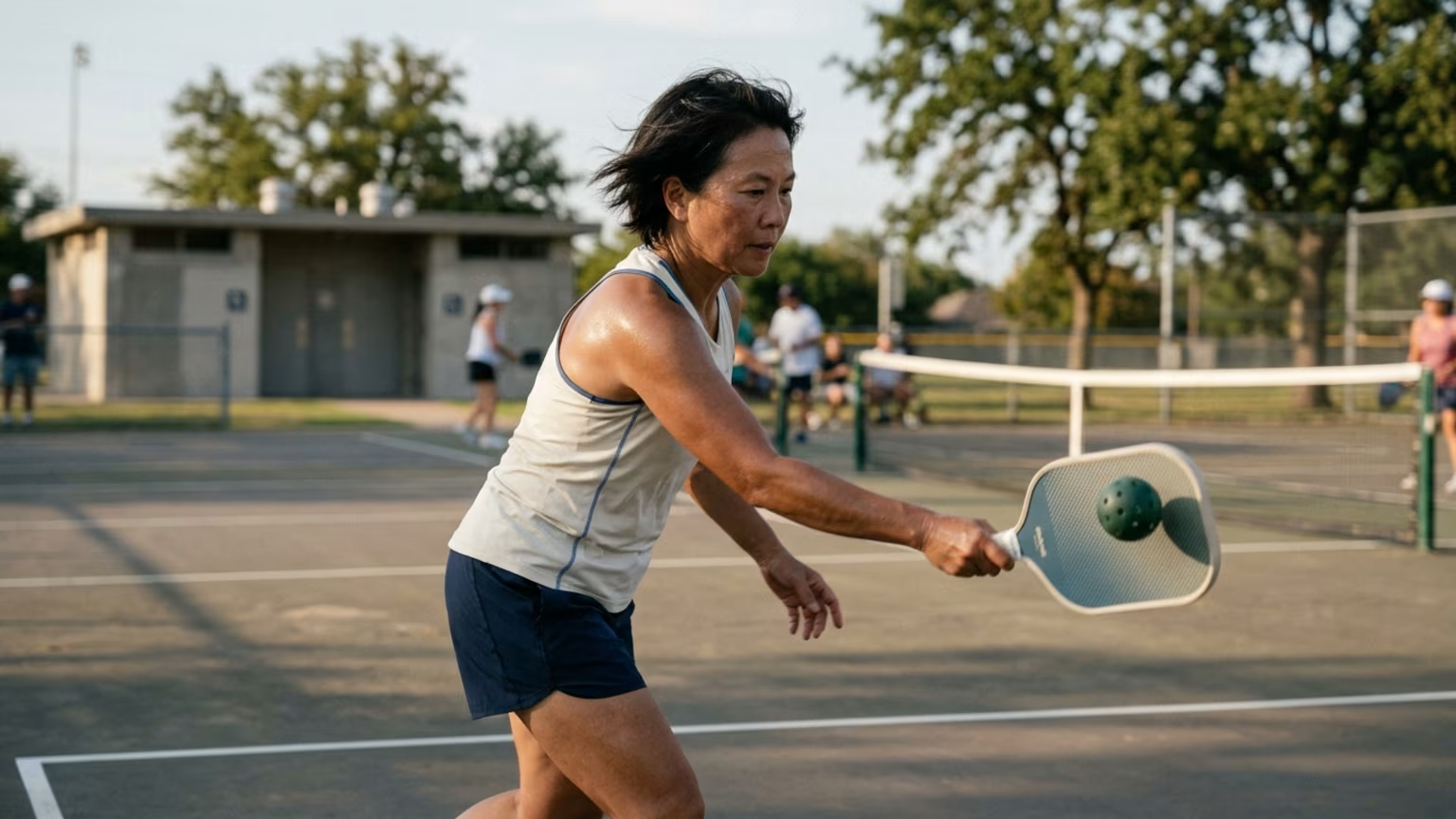
A recent live-play test of a silent pickleball highlights its value for practice, but standard balls still perform better for match play and power control.

An evidence check on sports supplements like tart cherry juice. Learn why racquet sports players should prioritize core nutrition over functional foods.
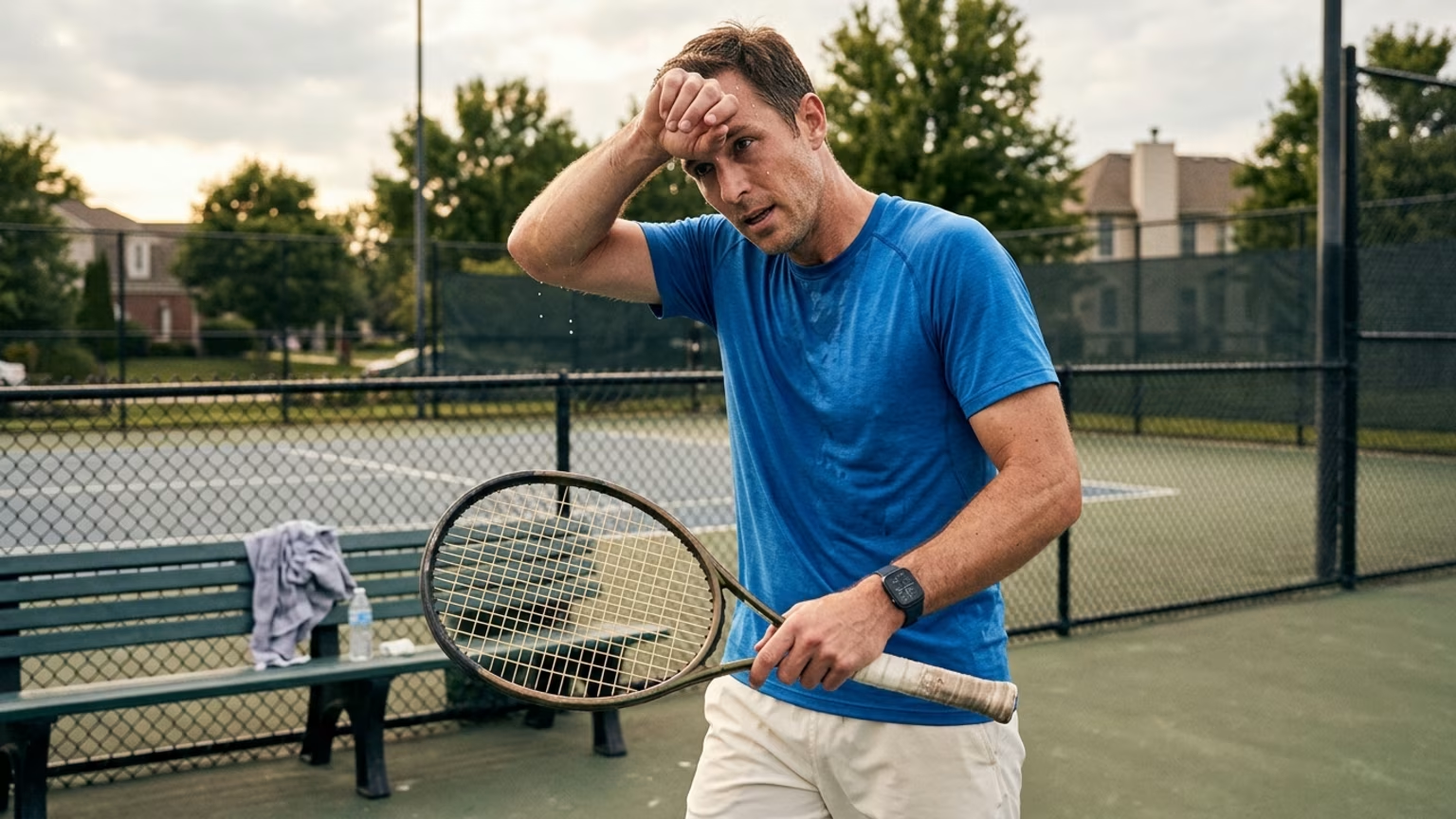
In late 2026, Oura analyzed wearable data to see how recreational tennis impacts heart health and recovery. Learn what this means for your athletic longevity.
Read practical guidance for better movement, smarter preparation and a game that keeps working for you.
explore the Blog
