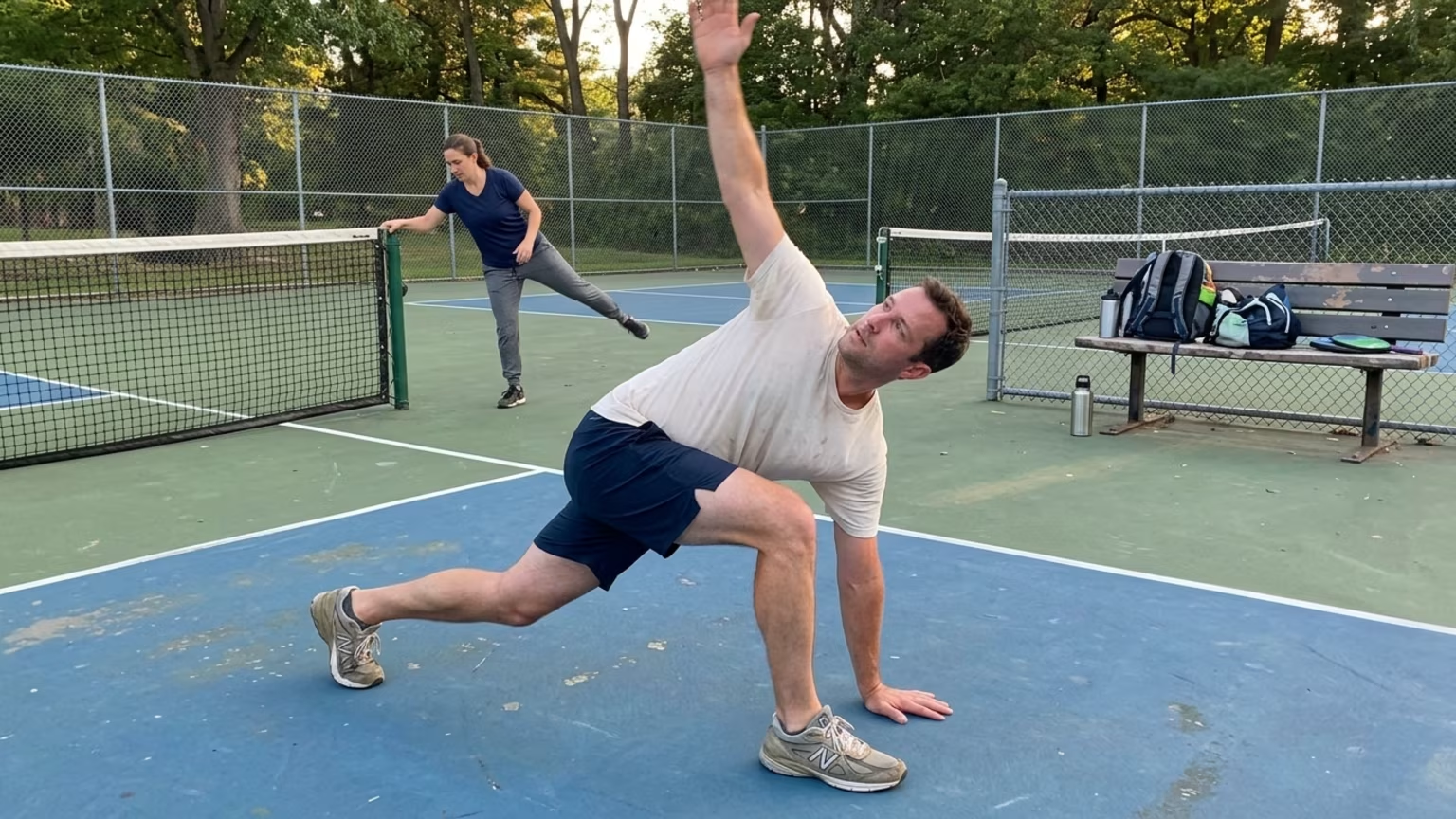

Prepare for real court movement with a progressive warm-up protocol. Learn how to transition from rhythmic activity to sport-specific footwork and paddle control.




Static stretching alone leaves players unprepared for the sudden accelerations, lateral shuffles, and rapid stops demanded by modern racquet sports. This progressive dynamic protocol replaces a cold start with carefully rehearsed motion, preparing your body for the physical reality of the court.
Rehearsing movement before full speed play is a highly practical tool for long term athletic longevity. According to CNN, dynamic stretching and mobility work provide more productive preparation than long held static stretching. This active approach is far better suited for activities that require rapid, multidirectional movement. Moving through a structured routine helps players transition smoothly from daily life to match intensity.
Players can gradually increase their comfortable and pain free range as the body warms up. CNN notes that a complete warm up sequence may take about six to 16 minutes to complete. While no single routine is a guarantee against injury, structured preparation supports healthy aging on the court. It builds a solid physical foundation to keep you moving well over time.
Adult recreational players often carry stiffness from daily routines or past athletic endeavors. A progressive protocol acknowledges this physical reality by slowly ramping up the physiological demands. Rather than forcing cold muscles into extreme positions, this method respects your current physical capabilities. It provides a sensible pathway to access your full athletic potential during competitive play.
Evercourts focuses on helping players perform better while keeping joints healthy for years to come. Adapting professional movement strategies for recreational use is a central part of that mission. Preparing the body correctly means you can focus entirely on strategy and personal enjoyment. Proper physical preparation removes the mental hesitation that often accompanies a cold start.
Pickleball Today proposes a five stage progression that moves from general activity to specific footwork. The publication suggests an eight to 12 minute warm up window for most players. Their specific practical routine takes roughly 10 to 12 minutes to execute completely. This progressive structure ensures your muscles and joints are completely ready for intense action.
This gradual escalation is vital for maintaining capability and preventing early physical fatigue. Skipping these crucial steps often leads to sluggish movement during the opening games of a match. Following a structured order ensures that every relevant body part is properly activated.
Begin with a few minutes of easy rhythmic activity to gently increase blood flow. CNN recommends starting with simple walking or a light jog around the court area. This initial phase requires very little effort and serves as a physical baseline. It simply alerts your body that physical demands are about to increase.
Players should keep their breathing controlled and their posture relaxed during this time. There is no need to rush, sprint, or push the pace prematurely. The primary objective is merely to raise your core body temperature slightly. Taking a few laps around the net is often enough to complete this stage.
Transition from simple locomotion into deliberate dynamic stretching and mobility work. You can include controlled arm circles and gentle leg swings across your body. The focus here is on smoothly testing your physical limits without forcing any specific posture. CNN advises players to slowly increase their comfortable range as their tissues warm.
Static holds are less effective here because they do not mimic active court play. Dynamic motions lubricate the joints and prepare the central nervous system for rapid action. Moving continuously through these physical ranges helps alleviate the stiffness often associated with aging. It promotes a general feeling of readiness and athletic confidence.
This phase bridges the gap between basic mobility and actual high speed court play. CNN specifically recommends practicing lateral shuffles and split steps for modern racquet sports. Pickleball Today includes split step hops and diagonal movement from the baseline toward the non-volley zone. Rehearsing these exact physical patterns builds familiarity and prepares you for sudden stops.
Players who master these transitions are often more agile during competitive points. Practicing your controlled stops and rapid starts reduces the shock on your lower body. Understanding your essential footwork skills is critical for moving efficiently across the surface. Proper footwork rehearsal is the functional cornerstone of athletic longevity.
Introduce your equipment with light and controlled hitting from a balanced athletic stance. Pickleball Today suggests starting with easy dinks, mini volleys, and soft controlled drives. You should also incorporate controlled rotational swings as strongly recommended by CNN. This stage allows you to coordinate your footwork with your swing mechanics at a manageable pace.
Keeping the intensity low ensures you are focusing on form rather than raw power. It provides an excellent opportunity to read the ball and adjust your positioning smoothly. Early paddle work builds rhythm and establishes your basic timing for the upcoming session. This controlled environment is perfect for dialing in your technical technique.
The final step is a short rally that gradually builds toward your expected match pace. Start slowly and progressively increase the speed of your returns over a few minutes. This allows your nervous system to fully adjust to the unpredictable nature of live play. By the end of this final stage, you should feel fully prepared for your first competitive point.
Players who understand pickleball court movement demands can tailor this rally to their specific tactical needs. Practicing real points at an escalating speed solidifies your overall physical preparation. You step up to the baseline feeling highly capable and ready to compete. This final rehearsal sets the physical tone for your entire match.
While the foundational principles of warming up remain consistent, actual court dimensions vary significantly. The specific biomechanical demands of your chosen sport should heavily dictate your footwork rehearsal. You must adjust the third stage of this protocol to match the specific game you are playing. Recognizing the movement demands that separate tennis, pickleball, and padel ensures your preparation is highly relevant.
Pickleball requires rapid forward transitions and continuous small lateral adjustments at the kitchen line. Your footwork rehearsal should heavily feature diagonal movement from the baseline toward the non-volley zone. Focus on short, choppy steps that allow for quick deceleration and excellent physical balance. Emphasize split steps and immediate lateral shuffles to mirror the quick exchanges of dinking.
Tennis demands longer baseline sprints and more explosive lateral coverage across a much wider court area. Your warm up must include extended side to side shuffles to properly prepare for deep groundstrokes. Forward sprints should cover significantly more distance to simulate approaching the net from the baseline. Rotational swings will also require larger ranges of motion to mimic heavy topspin shots and powerful overhead serves.
Padel introduces the unique tactical element of playing off the surrounding glass walls. This requires multidirectional agility, rapid turning, and frequent backward movement to track complex rebounds. Your footwork stage should include purposeful pivoting, sharp turning, and controlled retreating steps to match this reality. Controlled rotational swings are particularly important here to prepare for digging low, awkward balls out of the back corners.
Follow Evercourts for practical insights on tennis, pickleball and padel performance, movement, recovery and healthy ageing. Stay connected for new articles, research-led guidance and ideas to help you play well and keep playing for years.


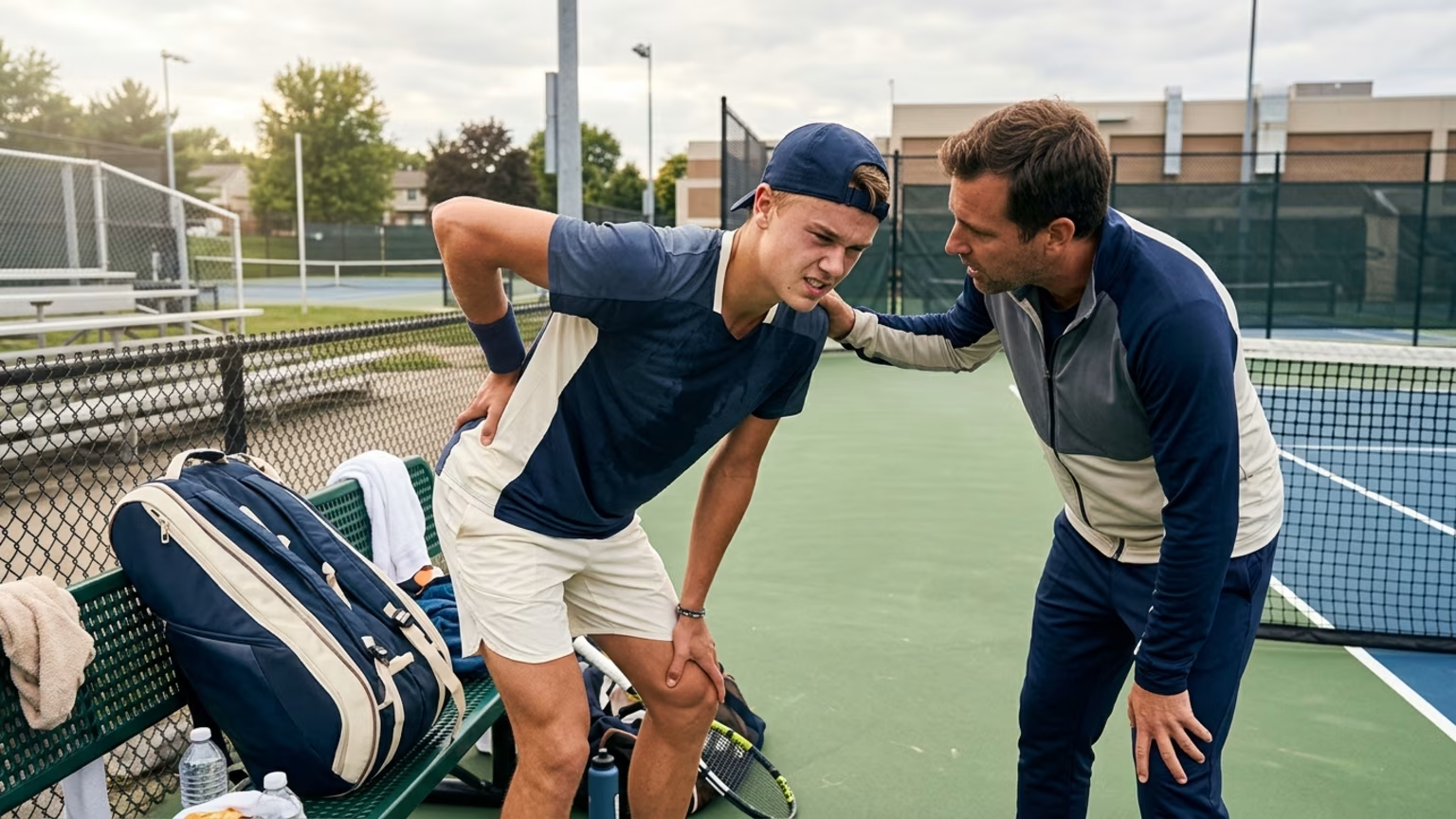
Holger Rune withdrew from the European Open with a back problem. The facts behind his decision and a grounded perspective for recreational players.

The Dink’s October 17 guide emphasizes deep returns, ball-height decisions and positioning against faster pickleball opponents.

A new report outlines padel and tennis gear trends. Learn how to assess adjustable rackets, sensor feedback and smart-court claims.
Read practical guidance for better movement, smarter preparation and a game that keeps working for you.
explore the Blog
