

Understand the whole-body demands of tennis serving, put serving volume in context and recognise shoulder symptoms that need professional care.




Shoulder care for tennis serving means paying attention to how the shoulder moves, controls the arm and responds to play. It is broader than choosing an exercise for one muscle. A tennis-serving clinical guide describes the serve as a coordinated whole-body movement, with the shoulder also helping to control the arm after contact.
Rather than asking only which muscle needs strengthening, a more useful starting point is to ask what the whole serving action requires. That keeps movement, serving exposure and symptoms in the same conversation.
In tennis, the lower body, trunk and arm contribute to the serve, according to that clinical guide. The arm also needs control after contact. Looking only at the instant the racquet meets the ball leaves out part of the movement described in the guidance.
Repeated serves ask for that coordinated action again and again. This is why a conversation about shoulder demands should include the serving session rather than a single swing. It does not make one muscle irrelevant. It makes one muscle an incomplete description of the task.
For tennis, pickleball and padel players, repeated explosive efforts and changes of direction are useful parts of the session to discuss. If an overhead effort follows a fast movement or direction change, describe that sequence rather than reporting only the arm action. For a pickleball or padel player, that description keeps the discussion grounded in their own play.
Our guide to adapting movement to your playing format offers related context. The point is to describe the work your session actually contains rather than treating every overhead action as interchangeable.
The tennis-serving clinical guide describes assessment as considering symptom history alongside movement and strength. It also notes that different conditions can produce similar serving-related symptoms. A symptom list is therefore a reason to seek a useful assessment, not a way to name an injury.
These sources provide clinical guidance rather than controlled trials of a serving programme. They do not establish a universal safe serve count, an ideal exercise routine or a proven injury-prevention warm-up. Nor do they establish direct shoulder-demand comparisons between tennis, pickleball and padel.
A practical interpretation is to notice changes in serving or court time instead of searching for a single permitted number. A familiar session and an abrupt increase are different descriptions of exposure, even when the same stroke is involved. Noting that change gives you something concrete to discuss with a qualified professional. It is not a personal safety calculation.
Preparation deserves the same clarity. Before treating a warm-up or strengthening routine as essential, ask what it is intended to address and whether it suits the situation. If symptoms are affecting play, exercise selection and decisions about increasing serving belong in an individual assessment rather than a generic routine.
Our article on putting serving exposure in context provides a related way to organise those questions. The useful starting point is what has changed, not an arbitrary target to reach.
For adult players, athletic longevity is a reason to make better-informed decisions about participation. The goal is to keep enjoying the sport while recognising when a shoulder question needs more than a general article. That does not require turning every session into a medical investigation.
It does mean separating observations from explanations. An increase in serving time is an observation about exposure. Discomfort during a session is an observation about symptoms. Neither establishes which tissue is involved or which exercise is appropriate.
A useful conversation with a qualified professional can cover:
This keeps the discussion connected to both current symptoms and the player's priorities. Wanting to serve comfortably in regular doubles is a meaningful goal to describe. So is wanting to understand why an ordinary reaching task has become difficult.
The longer-term value of this approach is in the decisions it helps organise. Shoulder care becomes less about finding a supposedly perfect exercise and more about understanding the movement, describing changes accurately and getting suitable advice when needed. Those are practical priorities for players who want court time to remain part of their lives.
A qualified physio or healthcare provider is the right next step when symptoms persist, worsen or limit normal function. The tennis-serving guide specifically recommends assessment when pain continues despite reduced activity. It also highlights pain that interrupts sleep or affects everyday tasks such as reaching overhead.
Make the appointment about the pattern rather than a self-diagnosed label. Describe when the symptoms occur and what they interfere with. The clinical guide's emphasis on symptom history, movement and strength explains why that wider account matters.
Sanitas's shoulder-health guidance also recommends medical assessment for persistent pain. Its warning signs include:
After an injury, an obvious deformity or inability to use the arm calls for urgent medical attention, according to the tennis-serving guide. These are not situations to resolve by trying another serving drill or selecting a different shoulder exercise.
Keep the focus on capable movement and timely care.
Follow Evercourts for practical insights on tennis, pickleball and padel performance, movement, recovery and healthy ageing. Stay connected for new articles, research-led guidance and ideas to help you play well and keep playing for years.


A research-led guide to progressing from easy movement to court footwork and hitting, with a clear distinction between preparation and injury prevention.
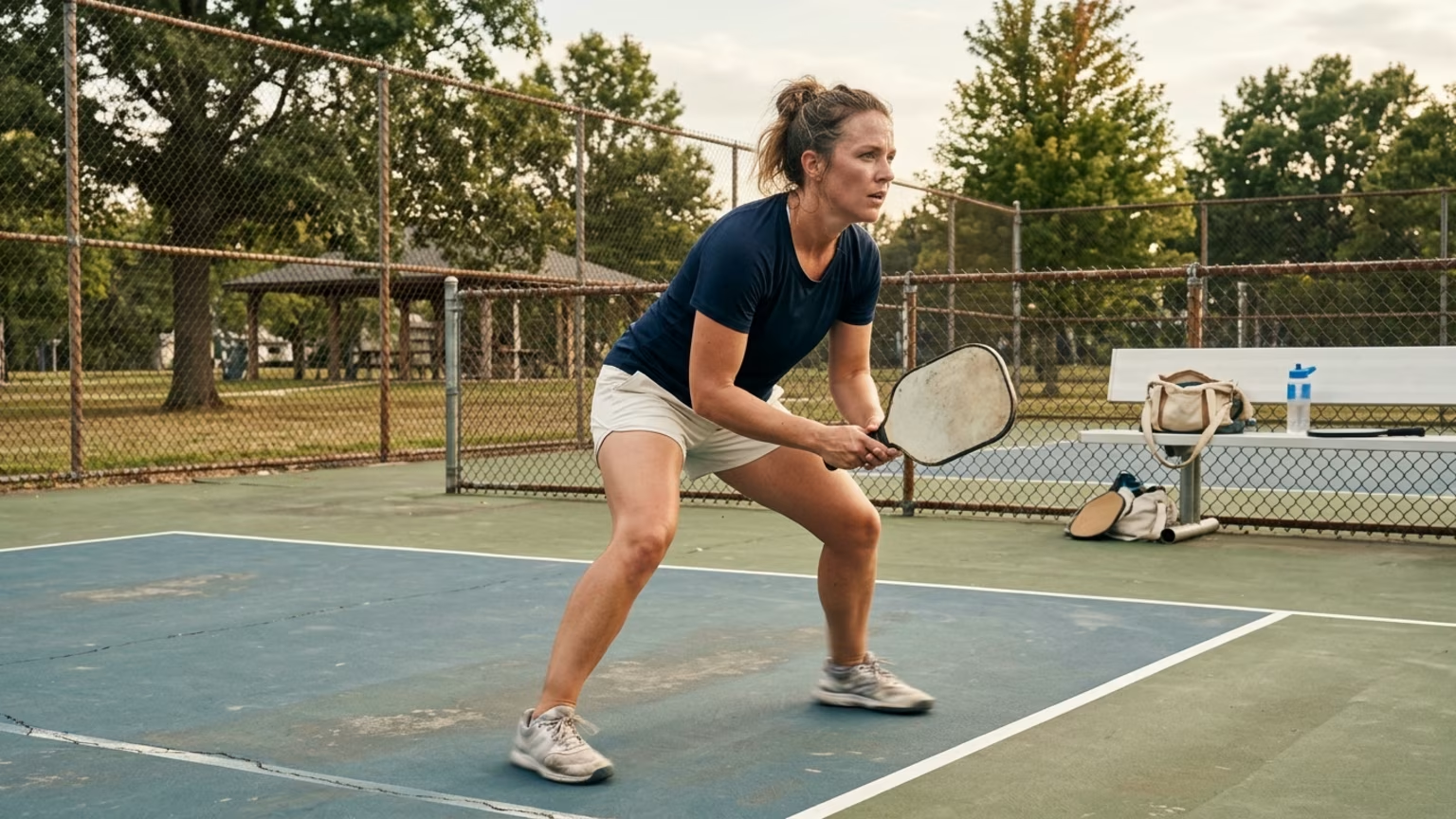
Understand court movement beyond speed, from controlled arrival to purposeful recovery, with coaching examples and clear limits on the research.
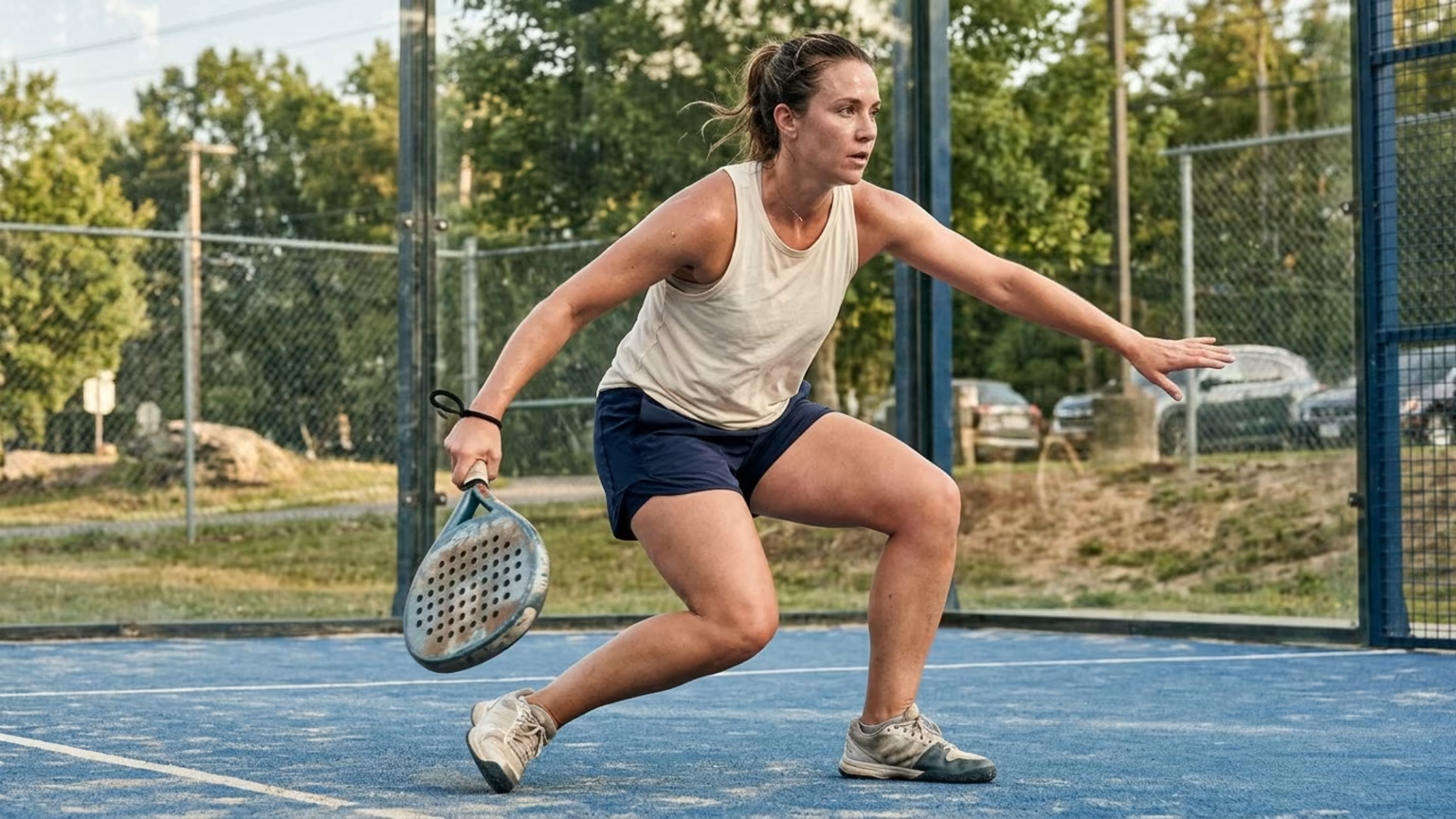
A practical padel strength and balance framework built around controlled movement, supported options and gradual returns after a break.
Read practical guidance for better movement, smarter preparation and a game that keeps working for you.
explore the Blog
