

A sports science report from the Hindustan Times explains why sleep, nutrition, and well-being consistently outperform wearables and ice baths for recovery.




On October 1, 2026, the Hindustan Times published a detailed sports recovery report establishing that foundational habits consistently outperform high-tech wellness gadgets. The publication centered its analysis on a practical hierarchy for athlete health and performance. Sleep, nutrition, and mental well-being were identified as the undisputed core components of effective physical repair.
Recovery modalities and tracking devices were placed distinctly lower on the priority list. This grounded guidance offers clear direction for racquet sports players trying to manage repeated matches and tournament days.
Samuel Pullinger is the Head of Performance Science at the Inspire Institute of Sport. He outlined the exact physiological mechanisms that make adequate rest non-negotiable for athletes. He categorized sleep as the absolute foundation of any effective recovery protocol. According to his analysis, proper sleep directly supports vital tissue repair after strenuous physical activity.
Pullinger also noted that sleep facilitates the critical consolidation of technical and tactical learning from time spent on the court. Beyond sleep, he detailed a food-first approach to physical maintenance and preparation. He explained that adequate nutrition supplies the essential macronutrients needed for muscle repair. This dietary approach is also responsible for the replenishment of glycogen stores after heavy exertion.
Hydration plays a similarly critical role in maintaining baseline physiological function during a match. Proper fluid intake supports core temperature regulation, steady cardiac output, and nutrient delivery to stressed muscles.
The report presented a highly skeptical view of trending treatments like cupping. The publication did not offer any specific efficacy claims, treatment protocols, or timing recommendations for the practice. Gadgets and specialized physical modalities were firmly designated as secondary tools. Wearable devices from companies like Fitbit, Oura, and Whoop were acknowledged as tools for tracking workload, sleep, and heart rate variability.
However, the report framed these biometric indicators merely as data inputs for coaches and sports scientists. They are not standalone proof that an athlete is physically ready to compete. The emphasis remains firmly on establishing daily routines that naturally manage physical stress.
Elite players often face extreme scheduling pressures that require aggressive physical interventions. Professional badminton player PV Sindhu was cited in the report regarding her recent grueling tournament schedule. Sindhu played three strenuous matches within an 18-hour window. She stated that this congested timeline significantly affected her physical condition and her overall recovery.
Under these demanding multi-event tournament conditions, athletes are forced to alter their daily routines. They may need to proactively reduce their training loads, maintain enough movement to stay loose, and aggressively replenish food and fluids. They must also monitor fatigue carefully so it does not accumulate unnoticed during competition.
Wayne Lombard is an athletic performance specialist who works with competitors like Sindhu. He explained that specialized tools like cold water immersion have a very narrow and specific application. Lombard noted that ice baths might be useful when a player must compete again within 24 to 48 hours. The goal in this tight window is simply to survive the schedule and prepare the body for immediate exertion.
Recreational tennis, pickleball, and padel players rarely face these extreme logistical demands. For the adult amateur, Lombard advises using cold water to recover rather than to adapt. He cautioned that cold water immersion is less appropriate when your primary goal is adaptation to heavy strength work. Rushing to jump into an ice bath after a casual league match might actually blunt the physiological adaptations that build long-term strength.
Recreational players are generally better served by building a schedule that protects their physical downtime. Amateur players should focus their energy on planning around their next match using the time available. Rather than mimicking professional emergency protocols, a weekend player can prioritize their foundational health. Understanding the long-term impact of stress and recovery is a much better use of a recreational player's time.
Protecting your sleep schedule and maintaining adequate daily hydration will always yield better long-term results. Focusing on daily nutrition and real rest provides the steady physical support required for athletic longevity. The psychological stress of repeated competition is just as vital to manage as physical fatigue.
The report included specific timing parameters for players who want to structure their immediate post-match habits. Pullinger recommends initiating light active recovery very soon after a competition concludes. He typically advises starting this active process within the first 10 to 15 minutes. He offered practical examples such as a small jog or light cycling to keep the body moving.
Following this brief active period, the focus should shift immediately to food and fluid intake. If a rapid tournament turnaround requires it, Pullinger suggested that cold water immersion could happen within 30 to 60 minutes. He emphasized that this timing only applies when the treatment is actually appropriate for the athlete's specific schedule. Applying these methods randomly without a clear physical goal reduces their overall utility on the court.
Pullinger estimated that an optimal recovery routine might provide a measurable performance advantage for an athlete. He placed this potential competitive gain between 1 and 5 percent. This figure varies depending on the specific sport and the exact recovery method used by the player. It is an expert estimate reported by the Hindustan Times, not a universal or racquet sport-specific measured effect.
Players looking to improve their physical readiness should view this margin as a slight enhancement rather than a transformative solution. Relying on basic physiological processes is safer and more effective than hunting for small percentage increases.
As the market for sports wellness products expands, the distinction between marginal gains and core physiological needs will become clearer. Next season, expect coaching professionals and sports scientists to push back against the over-reliance on consumer recovery gadgets. The emphasis will shift toward tracking overall workload and ensuring athletes do not let physical fatigue accumulate unnoticed. Players who consistently master basic sleep hygiene and proper fueling will maintain a clear physical advantage over those searching for quick technological fixes.
Follow Evercourts for practical insights on tennis, pickleball and padel performance, movement, recovery and healthy ageing. Stay connected for new articles, research-led guidance and ideas to help you play well and keep playing for years.


An evidence check on sports supplements like tart cherry juice. Learn why racquet sports players should prioritize core nutrition over functional foods.
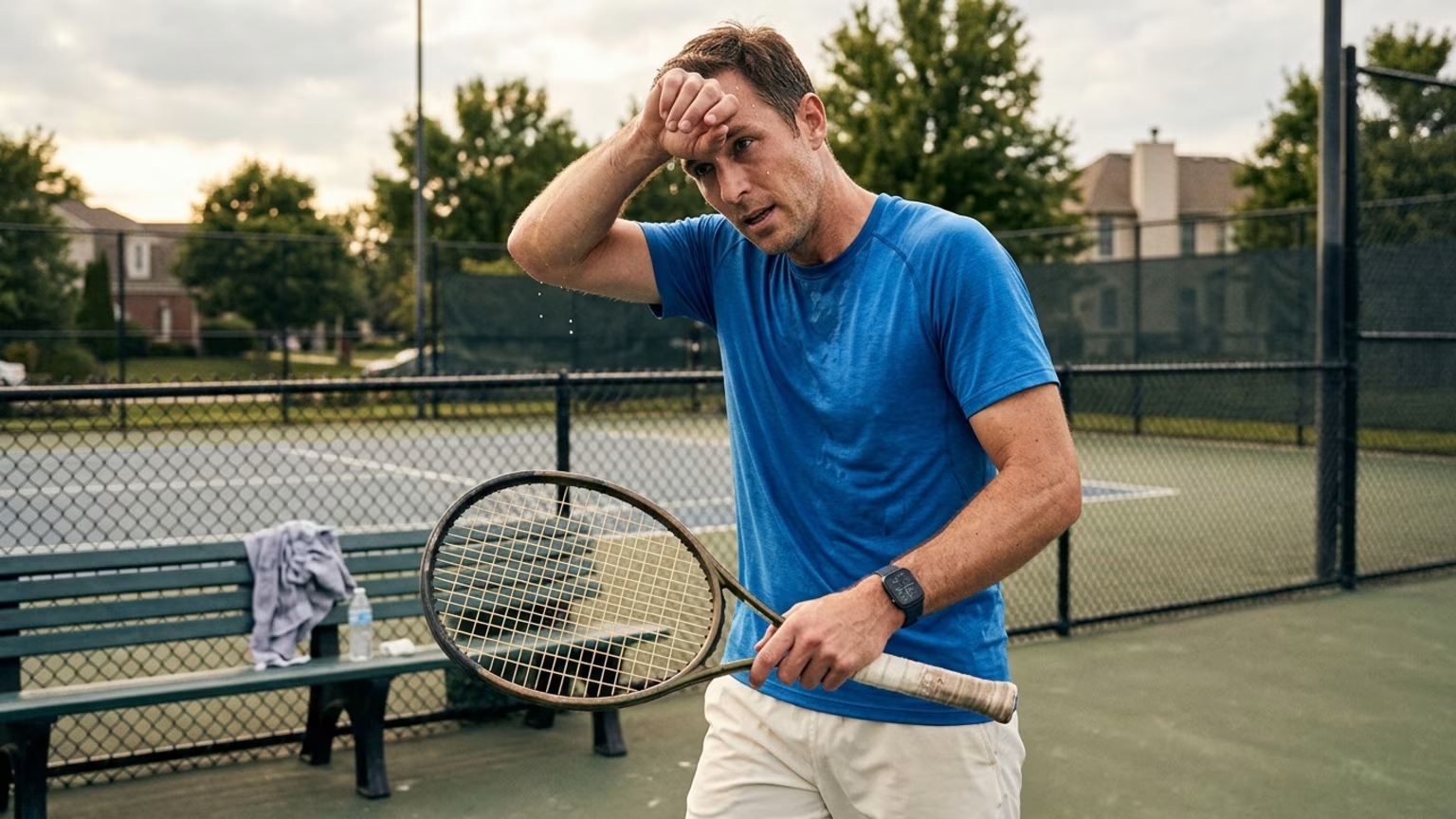
In late 2026, Oura analyzed wearable data to see how recreational tennis impacts heart health and recovery. Learn what this means for your athletic longevity.
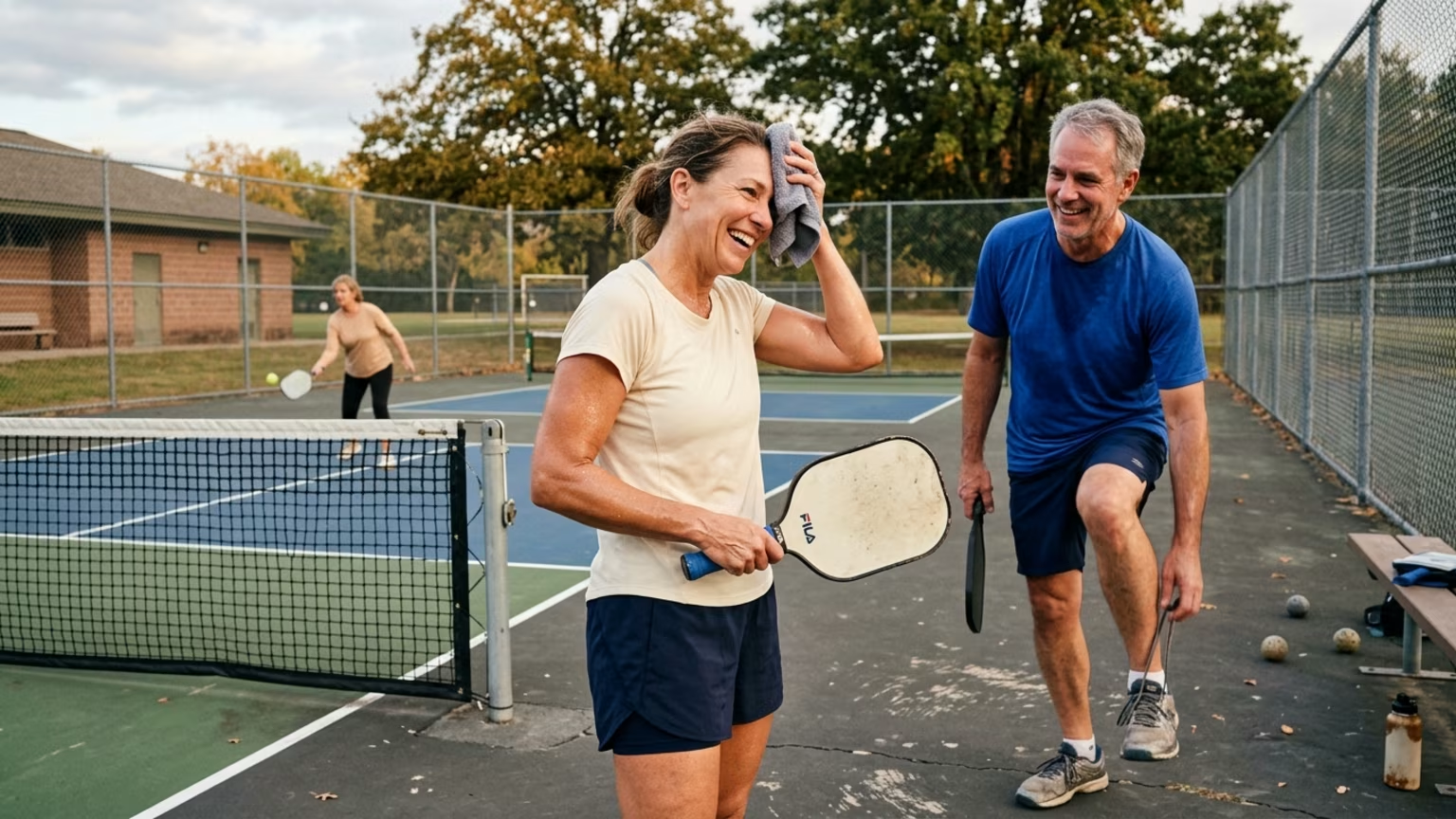
Recent guidelines emphasize gradual progression, dynamic warm-ups, and scheduled recovery to help adult racquet sports players maintain athletic longevity.
Read practical guidance for better movement, smarter preparation and a game that keeps working for you.
explore the Blog
