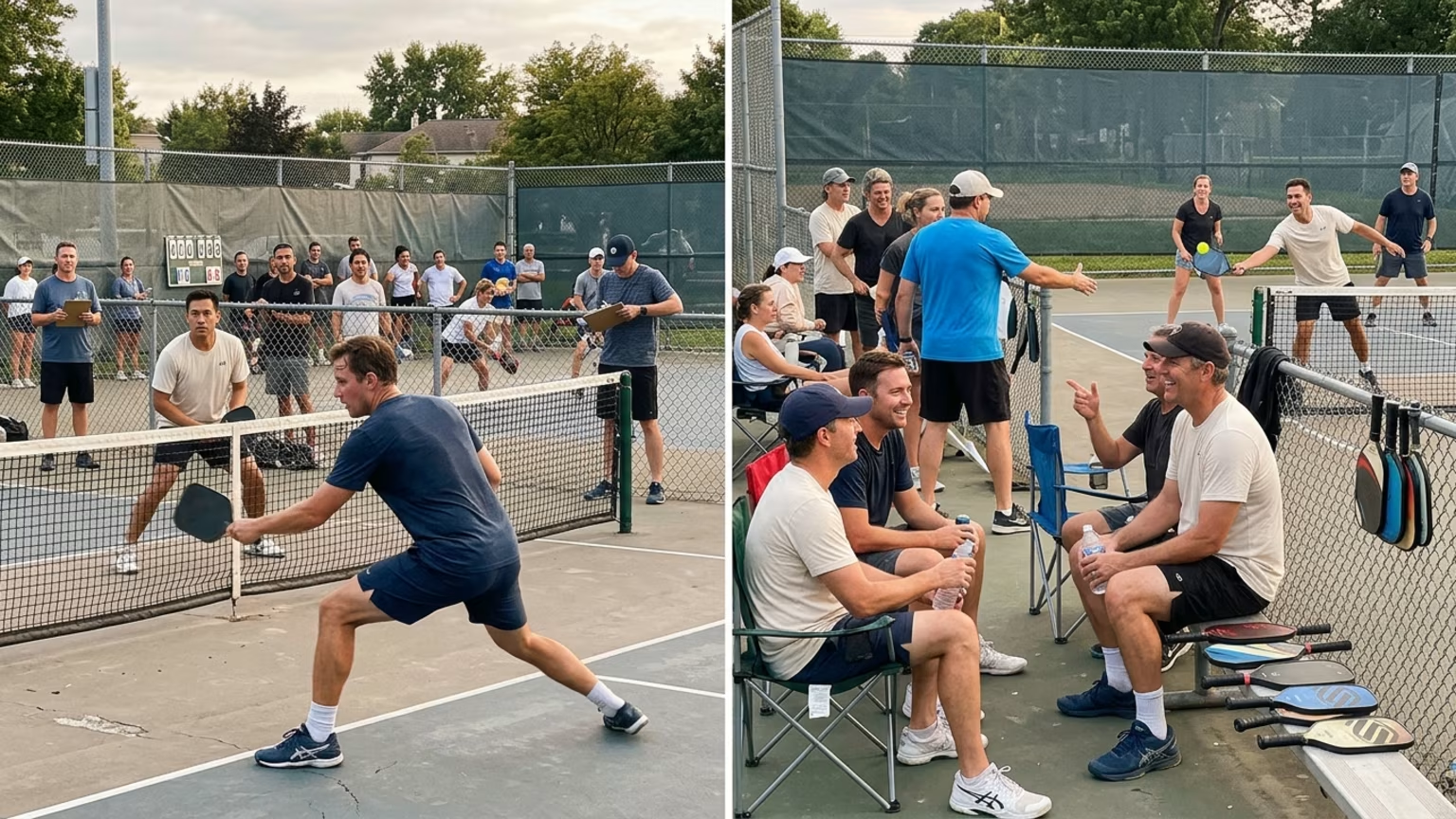

Compare structured leagues with social open play to find the programming format that best supports load management and athletic longevity in racquet sports.




Structured programming requires players to commit to a fixed schedule of lessons or matches. This format provides a highly controlled environment for adult athletes seeking athletic longevity. By knowing exactly when a match occurs, a player can optimize their weekly recovery schedule efficiently. This predictability helps prevent sudden spikes in physical activity that often lead to acute injuries.
Formal instruction creates a clear and safe pathway into consistent match play. At Southlake Tennis Center, the facility manager reported that five "New to Tennis" women's teams had formed directly from entry-level programming. The center also had 35 teams competing across three distinct leagues. This volume of organized play demonstrates how scheduled formats sustain long-term participation and keep players engaged.
The structured pathway allows players to scale their physical effort gradually over several months. It removes the dangerous pressure of keeping up with advanced players before the body is ready. Taking the time for assessing player progression pathways is essential for those relying on this format for their development. Structured environments give the body necessary time to adapt to new repetitive swings safely.
Regularly scheduled sessions allow the body to adapt to the specific mechanical stresses of racquet sports. Tendons and ligaments strengthen best under consistent and measured loads rather than random spikes of activity. Structured clinics provide a controlled setting to groove proper swing mechanics without the pressure of a live match. This repetitive practice builds a reliable foundation for long-term joint health.
A set schedule also removes the anxiety of finding court time or matching with suitable partners. Players can focus entirely on their movement patterns and tactical execution during their allotted hour. The clear endpoint of a lesson or league match naturally enforces a hard stop for physical exertion. This definitive boundary is vital for preventing the lingering aches associated with excessive weekly play.
Social open play and drop-in mixers operate on a completely different model of court access. Players arrive during a designated window and rotate through matches with various partners. This format thrives on spontaneity and immediate social connection within the club environment. However, it replaces scheduled rest periods with unpredictable wait times between your games.
Unlike the controlled environment of leagues, open play introduces highly variable physical demands. You might play a gentle warm-up match followed immediately by an aggressive and fast-paced game. To help manage this physical variability, a local pickleball-and-padel club profile describes offering leveled open play alongside tournaments and organized clinics. Keeping participants within a similar skill band helps mitigate some of the severe physical mismatch risks.
Modern facilities increasingly design their spaces to support this rotation-heavy social format. A 2026 report on Kohler's The Serve describes indoor pickleball courts and outdoor platform tennis courts connected to a social lounge. The report notes planned programming for instruction, leagues, tournaments and scheduled events. The primary physical challenge here is managing your own fatigue during continuous and tempting rotations.
The unstructured nature of social play often involves sitting on the sidelines while waiting for an open court. This intermittent resting causes muscles to cool down and joints to stiffen rapidly. When players suddenly step back onto the court, they are significantly more vulnerable to acute muscle strains. Maintaining physical readiness during these lulls requires active mobility work that many recreational players completely neglect.
Open play environments frequently mix different experience levels together on the same court. Facing a much stronger opponent can force a player to overextend their comfortable range of motion. Conversely, playing against beginners might disrupt a player's established footwork rhythm and timing. The lack of standardized pacing demands a high degree of bodily awareness to avoid awkward and dangerous lunges.
The explosive demands of tennis make structured programming highly advantageous for healthy aging. Scheduled matches allow players to implement targeted pre-match routines tailored to known opponents and specific court surfaces. Tennis places heavy stress on the shoulders and knees during high-speed sprints. A predictable league schedule helps players allocate sufficient rest days to recover fully from these intense loads.
The physical toll of a three-set tennis match requires serious respect for biological recovery timelines. Hard court surfaces amplify the impact forces sent through the lower body during every sudden stop. Structured league play ensures you know exactly when these heavy impacts will occur each week. This allows you to plan your nutrition, sleep and mobility routines around a strictly fixed competitive calendar.
Conversely, the stop-start nature of pickleball aligns exceptionally well with leveled open play formats. Because the court footprint is smaller, players can manage their energy output more easily during a session. The shorter match durations facilitate frequent partner rotations without causing immediate physical exhaustion. However, players must remain vigilant about staying warm during the social breaks between their active games.
Pickleball's accessibility often masks the severe strain it can place on the Achilles and lower back. The frequent and shallow lunges required at the non-volley zone demand constant muscular tension. While leveled open play suits the sport's culture, it makes tracking total weekly athletic volume very difficult. Players utilizing drop-in formats must actively count their matches to avoid overloading their lower body.
The multidirectional movement of padel requires sustained stamina and robust joint stability. Padel involves navigating glass walls, reading unpredictable rebounds and changing direction constantly. For this sport, clubs often blend both formats to build complete and resilient athletic capacity. Evaluating selecting a primary training facility requires looking closely at how they balance these blended programming options.
Padel demands a unique blend of aerobic endurance and spatial awareness to handle the continuous rallies. The softer artificial turf helps absorb impact, but the constant turning puts significant rotational stress on the knees. Structured coaching is practically mandatory early on to learn safe wall-interaction techniques. Once those mechanics are secure, open play becomes a safer avenue for building sport-specific cardiovascular fitness.
When assessing which format best supports athletic longevity, structured programming emerges as the definitive winner. Staying active for years requires careful load management and highly dedicated skill refinement. Social open play provides excellent community benefits, but its unpredictable intensity frequently causes accidental overexertion. The temptation of playing just one more game during drop-in sessions often overrides sensible physical pacing.
Structured leagues and scheduled lessons allow players to control their physical output accurately week after week. This predictability is crucial for adult players who require adequate recovery time between heavy athletic sessions. By prioritizing a set schedule, players can build their capacity safely and methodically over time. A controlled approach ensures you decide exactly when to push your limits on the court.
While structured programming wins for physical sustainability, the healthiest players often utilize a deliberate mix of both formats. The key is ensuring that structured play forms the strict base of your weekly racquet schedule. Open play should function as a supplementary activity rather than the primary source of your court time. This hierarchy protects your joints while still providing the social engagement that keeps the sport highly enjoyable.
Ultimately, your ability to keep playing for decades depends on respecting your body's recovery requirements. Leagues and scheduled clinics force you to respect those natural biological limits rigorously. They transform erratic athletic exertion into a sustainable and lifelong physical practice. Choosing structure over spontaneity is the smartest investment you can make for your continued court presence.
Follow Evercourts for practical insights on tennis, pickleball and padel performance, movement, recovery and healthy ageing. Stay connected for new articles, research-led guidance and ideas to help you play well and keep playing for years.


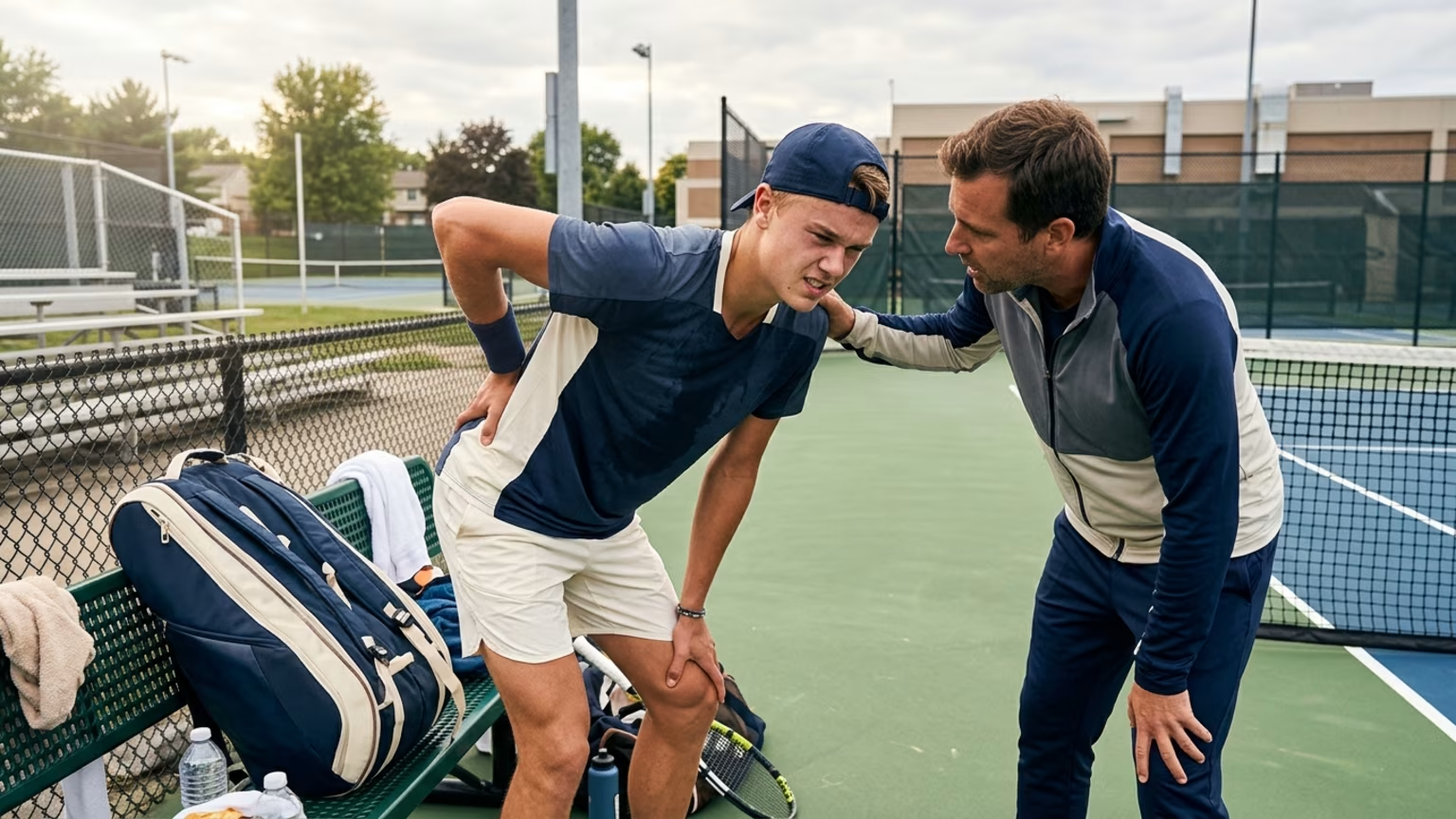
Holger Rune withdrew from the European Open with a back problem. The facts behind his decision and a grounded perspective for recreational players.

The Dink’s October 17 guide emphasizes deep returns, ball-height decisions and positioning against faster pickleball opponents.

A new report outlines padel and tennis gear trends. Learn how to assess adjustable rackets, sensor feedback and smart-court claims.
Read practical guidance for better movement, smarter preparation and a game that keeps working for you.
explore the Blog
