

Understand padel fatigue and use research-led principles to balance matches, other training and recovery without a rigid weekly formula.




Muscle fatigue is a reduction in the force your muscles can produce. For padel players, that makes recovery planning a question about physical work rather than court bookings alone.
An empty slot in the diary tells you when another match could happen. It does not tell you how that match fits alongside other training or how you are responding to the playing you already do.
The useful distinction is between having time to play and making room for the demands of playing. A sustainable schedule should leave space for breaks and for changing plans when fatigue or pain appears. Those principles are consistent with Suva’s practical padel recommendations.
The aim is not to fill every available hour. It is to make deliberate decisions about matches, training and recovery while keeping your longer-term enjoyment of the sport in view.
For tennis, pickleball and padel, ask what a session actually involved: repeated explosive efforts, changes of direction and how often those demands returned. Those efforts belong in the workload you are planning around. Looking only at the length of a booking leaves out their character.
Consider the difference between recording “played padel” and describing a session as demanding repeated hard efforts. The second description gives your planning more context without requiring a device or a performance score. It is a practical description rather than a fatigue test.
Keep the sports distinct without keeping their schedules separate. If you play tennis or pickleball alongside padel, put those sessions in the same planning picture. Include off-court training too.
Suva’s padel guidance includes warming up and mobilizing joints. It also recommends learning technique and rules and wearing shoes with suitable grip. These recommendations give preparation a place alongside the match itself rather than treating court time as the whole activity.
In a small extended-match padel study, researchers found a reduction in maximal knee-extensor torque. In plain English, this means a lower maximum turning force when straightening the knee.
Explosive-force and jump-test performance did not decline alongside that measure. Different tests therefore told different stories about the same extended playing session. A measured reduction in maximum force existed alongside maintained performance in the other tests.
That distinction matters when discussing fatigue. It avoids treating physical capacity as a single switch that is either fully on or fully off.
This small study did not establish declining movement quality or match performance. The available sources also do not establish an exact weekly match target, a universal recovery interval or a validated cutoff for deteriorating movement. Suva’s recommendations are practical guidance rather than a tested long-term scheduling formula.
The practical response is straightforward: treat match duration and frequency as workload. Pay attention to pain or unusual fatigue without trying to convert either into a laboratory score. An unchanged jump or a successful rally should not become your sole reason to dismiss symptoms.
Suva recommends increasing padel intensity gradually, taking breaks and stopping in good time if fatigue or pain occurs. That provides a clear direction for planning without turning a small study into a universal rule.
For athletic longevity, the goal is continued participation rather than the fullest possible diary. Understanding the distinction between measured fatigue and visible performance helps keep that goal in focus. A session does not have to look unsuccessful before its demands deserve consideration.
For adult players balancing work and other commitments, the useful question is what the whole week contains. Work belongs in that picture because it determines when playing and breaks can fit. Other training belongs there because it is additional exercise rather than empty space between matches.
The following are planning prompts, not a personalized programme:
If a written overview helps, our guide to recording training and recovery observations offers a place to organize that information. Use a record to describe what happened and support decisions. Do not turn it into a self-diagnosis tool.
Keep supporting work visible as well. Sports physician Regina Schelble, quoted by Suva, recommends that beginners warm up and increase intensity gradually. She also recommends strengthening relevant body regions to support stability. More matches should not automatically become the only priority in the diary.
For broader context, our resource on strength and movement away from court sits alongside our guide to thinking about stress and recovery over time. The editorial priority is consistent: keep playing demands and supporting preparation in the same conversation.
A sustainable week can still contain demanding play. The planning principle is to leave room to respond when the actual experience differs from what you expected. That is a more useful long-term ambition than completing every booking regardless of how you feel.
Suva advises stopping in good time when fatigue or pain occurs. For personal decisions about recurring pain or unusual fatigue, consult a qualified physiotherapist or healthcare provider rather than relying on a scheduling rule.
Difficulty moving normally is also a reason to seek qualified advice. You do not need to decide which muscle or structure is responsible before asking for help. Describing what you notice is more appropriate than trying to diagnose it yourself.
Bring the relevant context to that conversation: what you played, what other training you did and what changed. Note whether the concern appeared during play or affected normal movement afterward. These observations can frame the discussion without pretending to replace an assessment.
The empty slot in the diary still represents a choice. When pain or unusual fatigue is affecting your play or movement, that space may be better used for qualified advice than another booking.
Follow Evercourts for practical insights on tennis, pickleball and padel performance, movement, recovery and healthy ageing. Stay connected for new articles, research-led guidance and ideas to help you play well and keep playing for years.


A practical reading of Body+Mind’s pickleball injury overview, covering falls, footwear, playing load and its reported injury statistics.
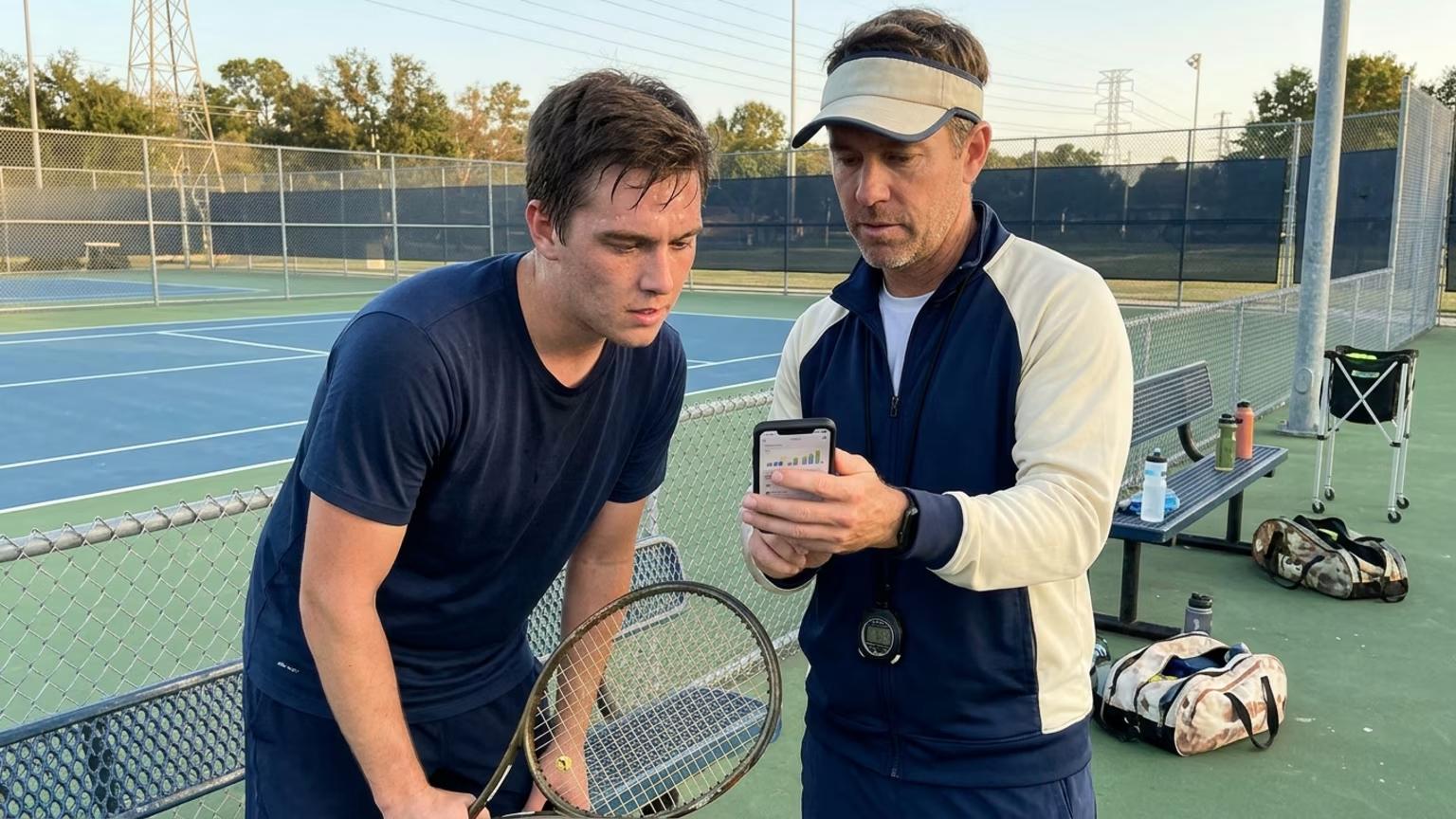
Track soreness, fatigue and movement between racquet-sport matches, with practical guidance on reviewing plans and seeking qualified advice.

A research-led look at tennis training load, with a simple log for court time, effort and symptoms to support a considered return after a break.
Read practical guidance for better movement, smarter preparation and a game that keeps working for you.
explore the Blog
