

A practical reading of Body+Mind’s pickleball injury overview, covering falls, footwear, playing load and its reported injury statistics.




On October 22, 2026, Body+Mind Magazine published Beth Rush’s pickleball injury overview, covering common injury types and practical advice on preparation and playing habits.
Rush groups the concerns into Achilles and calf injuries, ankle sprains and upper-body problems. The latter include shoulder overuse and elbow pain, along with wrist injuries or fractures. This is a practical overview of injury patterns and preparation, not a new clinical guideline or competition rule.
Body+Mind links lower-leg problems with running, lunging and reacting quickly from a standstill. It describes ankle sprains as a possible result of a planted foot while the body continues moving. Falls also feature in its account of wrist and shoulder injuries.
For the upper body, the article connects repeated overhead shots and long rallies with shoulder overuse. It links repeated gripping and swinging with elbow pain. Its discussion of elbow symptoms draws on a recreational-player survey rather than emergency-room records.
That distinction matters: a fall requiring emergency care and an ache that builds through repeated play are different kinds of problems. A useful reading should leave room for both rather than reducing pickleball injuries to one vulnerable body part.
For elite competition, the useful implication is renewed attention to preparation and movement decisions rather than a change in the rules. For a weekend league player, the priority is more personal: making choices that support continued participation rather than treating every point as worth any physical compromise.
The recreational takeaway is not to copy a professional player’s intensity. It is to give ordinary decisions about preparation and playing volume the same attention as the score. That is the practical lens through which the overview is most useful.
Body+Mind recommends a brief warm-up that can include calf raises, side shuffles, arm circles and easy dinking. It also advises court shoes designed for lateral movement rather than running shoes.
For recreational players, the useful framing is to make preparation part of playing rather than an optional extra. The article’s recommendations concern both getting moving before competition and choosing footwear for the movements involved. They are not simply a suggestion to buy different equipment.
Evercourts’ coverage of movement-based warm-ups provides related reading on preparing for court play. The editorial priority is preparation that relates to the session ahead, not a more elaborate pre-match ritual.
The overview advises against blindly backpedaling. It suggests turning and moving sideways or allowing a partner to take the shot instead.
In practical terms, the question is not simply whether the ball can be reached. It is whether the movement choice remains controlled. Letting a partner cover the ball fits the article’s advice without turning a difficult retrieval into a test of commitment.
That makes footwork and court movement relevant to the injury conversation as well as performance. A spectacular recovery does not need to be the standard every recreational point must meet. Choosing not to chase blindly is compatible with taking the match seriously.
Body+Mind recommends gradually increasing play and taking regular breaks. Its wider message is to respond to soreness that persists rather than treating it as something a committed player must ignore.
The article advises stopping play and getting checked after a pop in the Achilles or calf area. It also suggests consulting a physical therapist if pain lingers. Personal decisions about an injury belong with qualified care, not with a generic article or an opponent’s reassurance.
For an adult returning after a break, the practical priority is a manageable return to playing volume. The overview offers a reason to consider preparation and playing habits together, rather than looking for a single piece of equipment to address every concern.
Body+Mind reports estimated annual pickleball injuries in national emergency-room data rising from roughly 1,313 in 2014 to 24,461 in 2023. Those are historical estimates reported by the magazine, not a count of injuries from the new publication date.
In a separate 10-year national review described by the article, falls accounted for about 65.5% of cases. Fractures made up 32.7%, while strains and sprains represented 30.8%. Those figures explain why falls receive substantial attention in the overview.
For a clinic review of pickleball foot-and-ankle cases, Body+Mind reports Achilles ruptures at 39.4% of diagnoses and calf injuries at 16%. A separate clinic-focused summary describes a 198-patient series with Achilles ruptures accounting for about 39% of foot-and-ankle cases.
These figures come from different patient groups and should not be combined into one injury profile. Emergency-room counts describe treated cases, not a player’s personal probability of injury. The overview does not identify the underlying studies in enough detail to assess their methods or supply participation-adjusted rates. Its recommendations also are not accompanied by a measured reduction in injuries.
The useful interpretation is narrower than a headline about rising injuries: falls and lower-leg injuries deserve attention, while the survey observations keep overuse symptoms in the conversation. Neither category should crowd out the other when players think about staying on court.
Over the next season, the most useful development would be clearer separation between sudden injuries and symptoms associated with repeated play. Better reporting should also put injury counts alongside an appropriate measure of participation or exposure. That would make the discussion more informative than a rising total alone.
For recreational players, the direction worth backing is already straightforward. Body+Mind’s overview puts preparation and footwear alongside movement choices and gradual increases in play. Its advice also gives persistent soreness a place in the conversation rather than treating it as background noise.
The standard to watch is whether those considerations become part of ordinary play. Athletic longevity should not depend on matching professional intensity or winning every difficult retrieval. The better season-long ambition is competitive tennis’s familiar balancing act applied to pickleball: care about the point without losing sight of the next session.
Follow Evercourts for practical insights on tennis, pickleball and padel performance, movement, recovery and healthy ageing. Stay connected for new articles, research-led guidance and ideas to help you play well and keep playing for years.


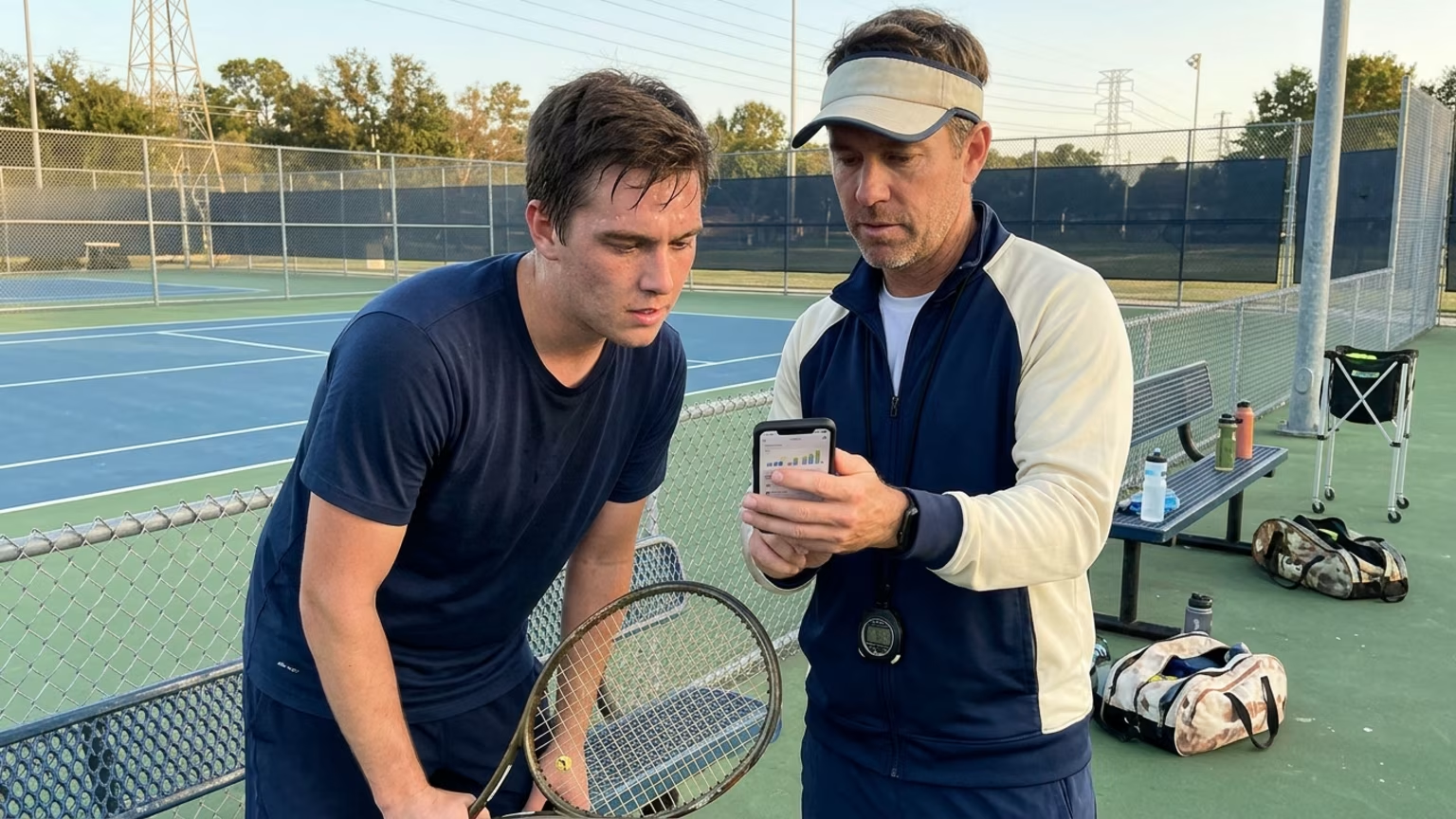
Track soreness, fatigue and movement between racquet-sport matches, with practical guidance on reviewing plans and seeking qualified advice.

A research-led look at tennis training load, with a simple log for court time, effort and symptoms to support a considered return after a break.

Compare racquet, paddle and court-shoe upgrades by fit, feel, surface and budget, with practical demo checks and a clear buying priority.
Read practical guidance for better movement, smarter preparation and a game that keeps working for you.
explore the Blog
