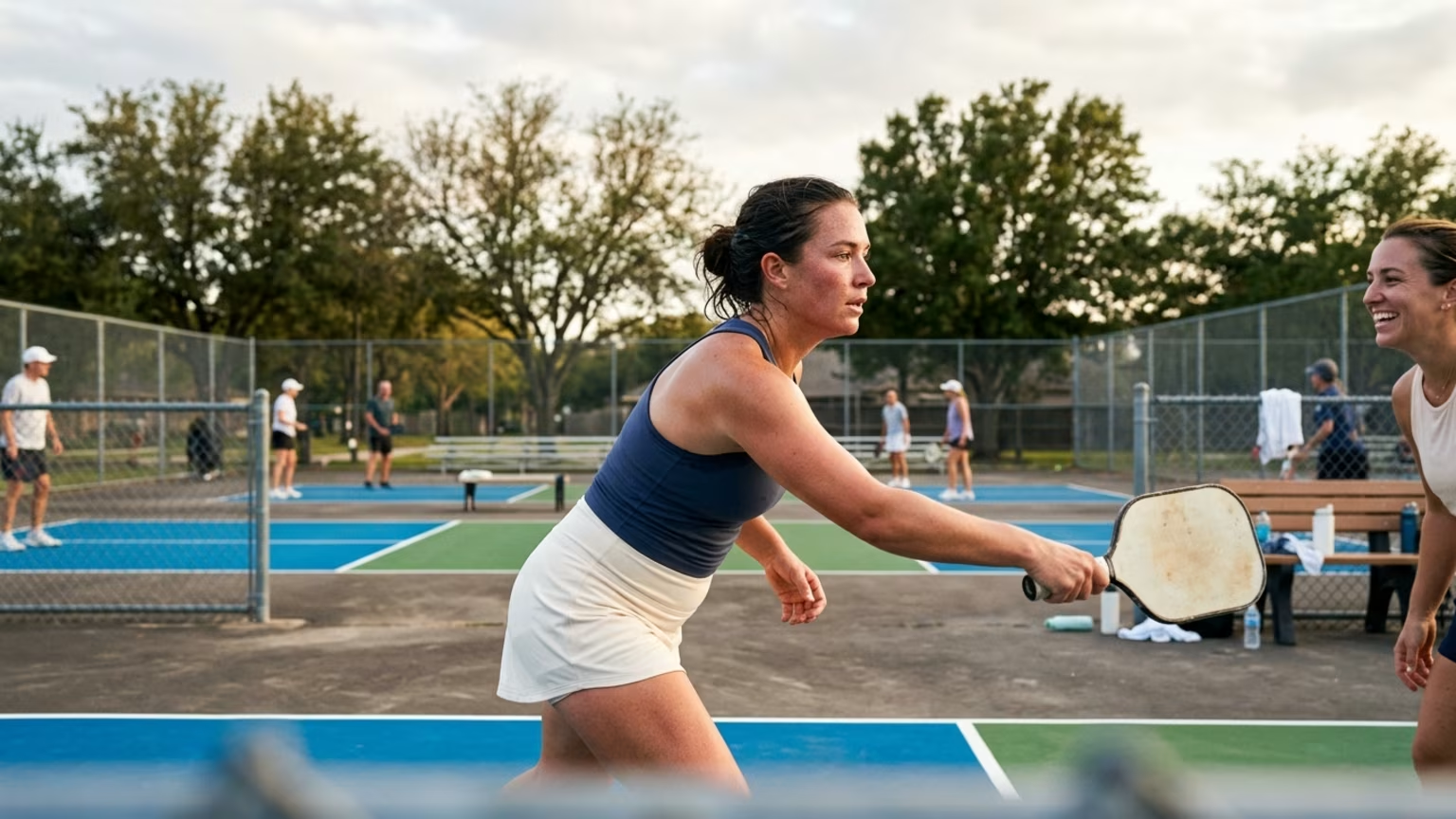

Hurricane Tyra Black recently discussed tapering off antidepressants with medical guidance. Discover how adult players can balance court time with overall wellbeing.




On September 16, 2026, Times Now News published a profile of professional pickleball player Hurricane Tyra Black detailing her transition away from psychiatric medication. During a recent episode of the Pickleballers Podcast, Hurricane Tyra Black shared that she stepped away from antidepressants under the direct supervision of her doctors and support system. The published report explains that regular participation in professional pickleball helped her rediscover a sense of joy. She explicitly noted that her previous experiences with medication treatments near the end of her professional tennis career went poorly.
Black stated that her initial use of antidepressants during her tennis career resulted in a very bad experience. According to the Times Now News account, doctors later prescribed her additional medications. She reported suffering from emotional numbness that she attributed directly to medication side effects. Transitioning into professional pickleball eventually offered her a new competitive outlet and a different community environment.
The structure of the professional tour played a role in her recovery process. This daily routine, paired strictly with medical supervision, facilitated her transition away from prescribed medication. The media reaction to her interview was immediate across social channels. The Kitchen Pickleball amplified her story online, characterizing the sport as the new antidepressant in a post. Times Now reports that this post received hundreds of likes and dozens of shares within hours.
While the engagement metrics highlight the popularity of her story, the underlying reality of medication tapering requires careful medical oversight. Black did not simply replace her prescriptions with racquet sports overnight. Instead, she utilized the sport as part of a comprehensive, medically supervised life transition. Professional accounts provide valuable motivation, but everyday players must prioritize their own medical needs first.
The professional racquet sports community often highlights stories of personal resilience. However, adult recreational players must view these narratives through a practical lens. The promotional phrase calling pickleball a new medication is not a clinical reality. Recreational athletes should never use physical activity as a sole replacement for professional mental health care.
NHS guidance explicitly advises patients to continue taking their antidepressants unless their doctor instructs them to stop. Adjusting or stopping medication without a prescribing clinician can lead to severe health complications. An American Psychiatric Association podcast recently discussed mental health management after difficult periods. The program emphasized the critical value of rest, routine, relationships and community engagement.
These elements are highly relevant to adult racquet sports players seeking long-term wellbeing. Joining a local league or scheduling regular matches provides built-in social interaction and a dependable weekly routine. Structured play naturally fosters the community engagement that psychiatric professionals recommend. Players should treat their court time as one component of a broader health strategy, focusing on healthy aging for racquet players.
Building a supportive routine extends beyond just showing up to play every day. I used to think a tough conditioning block was the only way to improve my court endurance. Then I started tracking my sleep. I noticed that on days I slept less than six hours, my reaction time at the net was noticeably sluggish, and I felt gassed by the second set. Prioritizing consistent rest did more for my late match stamina than any extra sprints ever did.
Recovery is the true foundation of both physical and mental performance. Managing mental health requires a similar dedication to sustainable daily habits. We cannot rely solely on the temporary high of winning a match to sustain our long-term wellbeing. Balancing intense court sessions with adequate recovery remains a central theme for players who want to maintain their physical capabilities. Finding a sustainable training plan helps prevent both mental burnout and physical fatigue.
Hurricane Tyra Black is an active professional athlete rather than a casual weekend player. Pickleball Insiders listed Black fourth in its September 2026 PPA composite women's ranking. That ranking page noted she held exactly 10,010 points. Her schedule requires immense physical and mental dedication.
Her ranking and tournament results provide necessary context for her podcast statements. As a top-four player, Black operates within a highly structured professional environment. Her daily routine involves rigorous technical drilling, match play and organized travel. This differs drastically from a recreational player stepping onto the court for two hours on a Sunday morning.
Recent 2026 coverage places Black in major PPA women's doubles competition alongside Jorja Johnson. The pair recently competed in a final at the 2026 PPA National Championships. Elite competitors experience a completely different volume of play compared to recreational leagues. Their relationship with the sport involves structured travel, high stakes and intense physical preparation.
The level of social integration and daily purpose she derives from the sport is tied to her status as an active professional. Her 10,010 ranking points reflect a massive volume of competitive play. This workload requires dedicated recovery protocols to manage the stress of the professional tour. Recreational players should appreciate the commitment required at this level without trying to mimic the extreme physical volume.
Looking ahead to the next professional season, the conversation around athlete wellbeing will likely mature. The sport is moving past the initial excitement of rapid growth into a more established professional era. We will likely see more elite competitors openly discussing the psychological pressures of frequent travel and high-stakes tournaments. As the demands of the professional tour increase, athletes will need comprehensive support systems.
These systems must integrate both mental and physical health management to ensure athletic longevity. The ongoing evolution of racquet sports media will continue to highlight these intersections of performance, health and recovery. For adult players balancing competition with their daily lives, the focus should remain on sustainable play. Finding joy on the court is important, but it works best alongside balanced recovery and professional medical guidance.
Follow Evercourts for practical insights on tennis, pickleball and padel performance, movement, recovery and healthy ageing. Stay connected for new articles, research-led guidance and ideas to help you play well and keep playing for years.


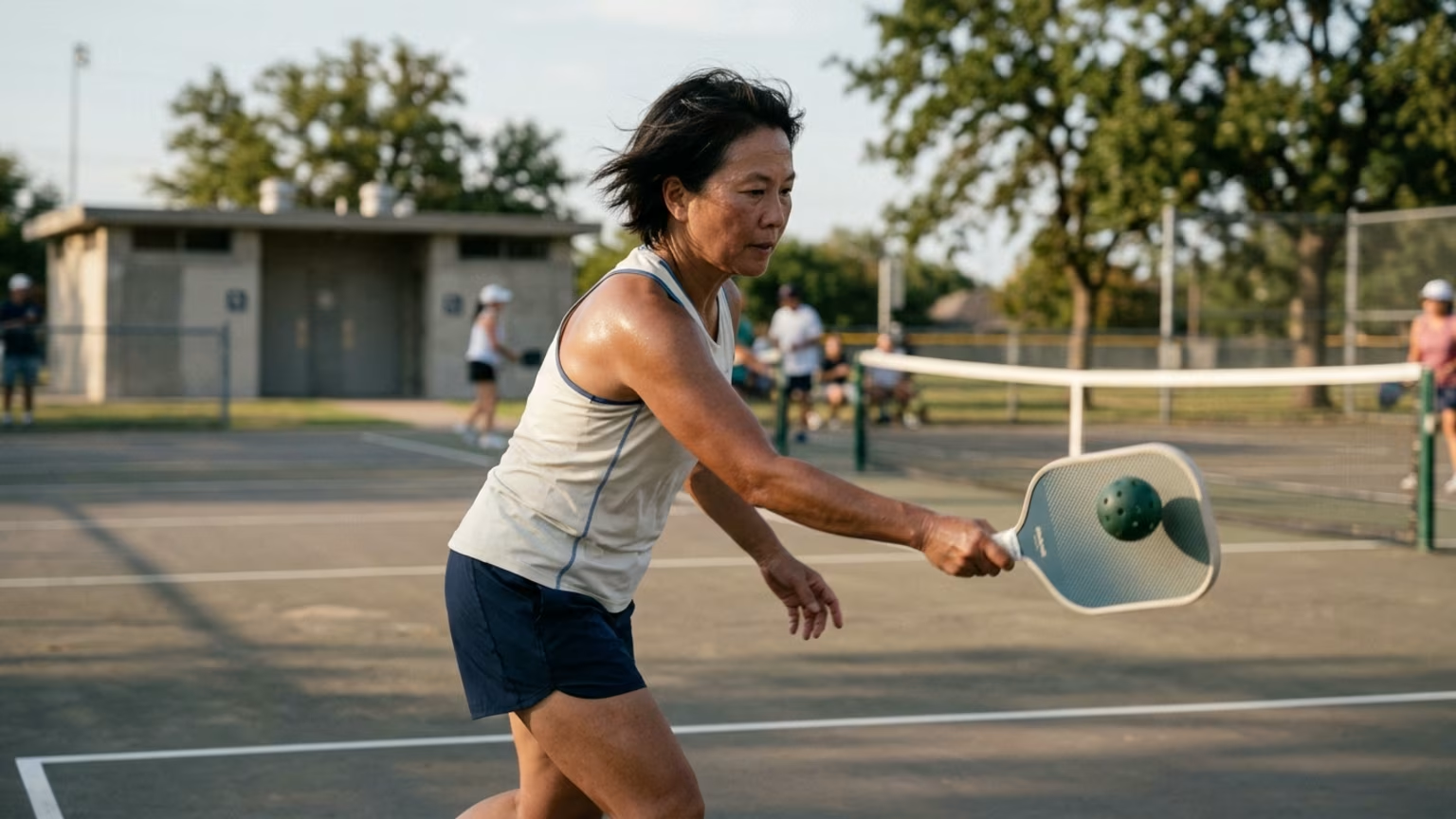
A recent live-play test of a silent pickleball highlights its value for practice, but standard balls still perform better for match play and power control.

An evidence check on sports supplements like tart cherry juice. Learn why racquet sports players should prioritize core nutrition over functional foods.
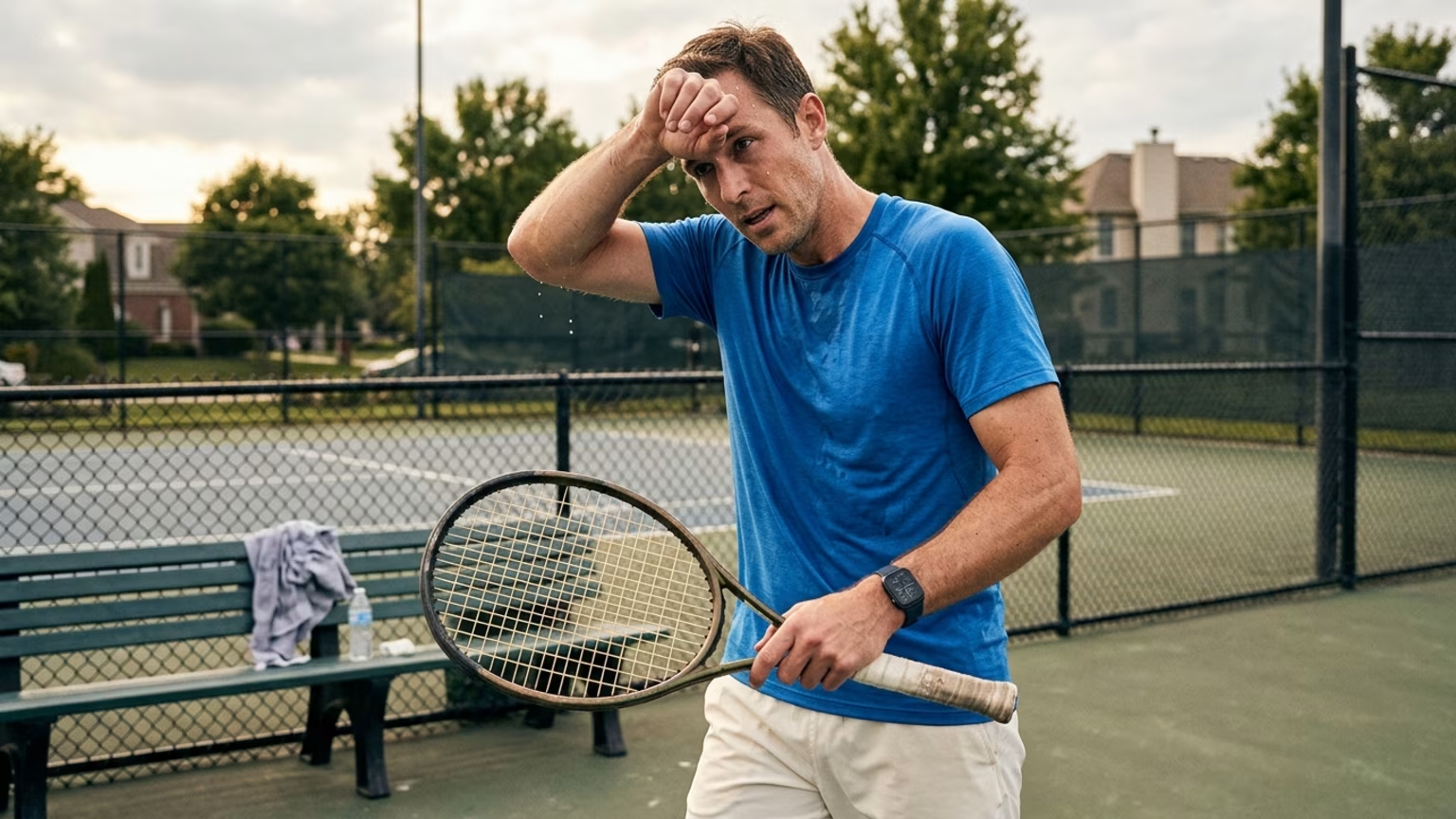
In late 2026, Oura analyzed wearable data to see how recreational tennis impacts heart health and recovery. Learn what this means for your athletic longevity.
Read practical guidance for better movement, smarter preparation and a game that keeps working for you.
explore the Blog
