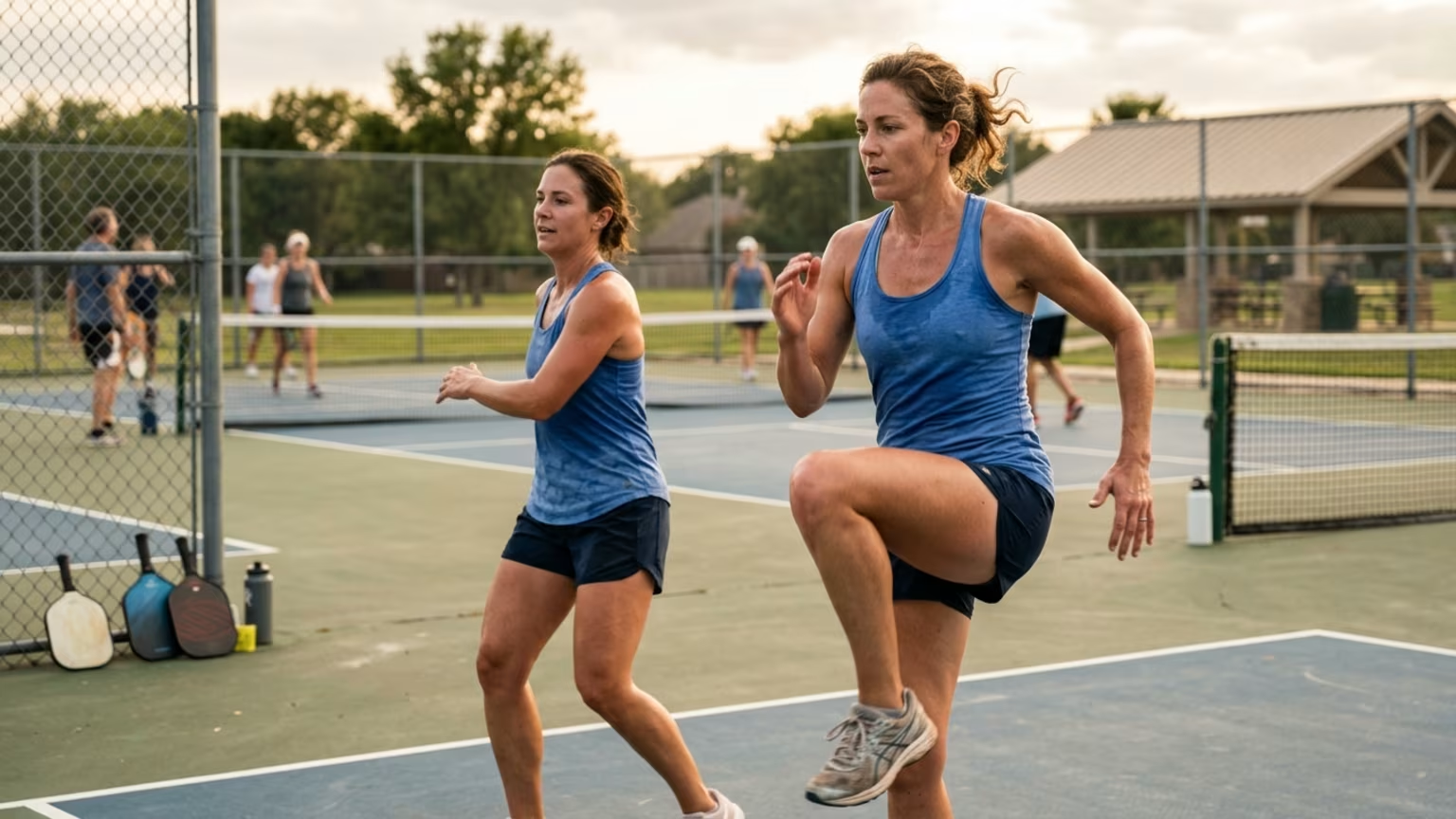

Learn why dynamic, court-specific rehearsals prepare you better for tennis, pickleball, and padel matches while supporting your long-term athletic longevity.




A sport-specific warm-up is a focused sequence of dynamic movements that rehearses the exact side steps, reaches, and lunges you will use during a match. This approach replaces random stretching with purposeful motion designed for the court. The goal is to gradually prepare your muscles and joints for the highly specific demands of your chosen sport. By moving dynamically before play begins, you effectively bridge the gap between everyday life and intense athletic competition.
Everyday life rarely requires us to sprint sideways or swing a paddle over our heads. A structured court rehearsal reminds your nervous system how to execute these athletic patterns safely. This physical transition period allows your heart rate to climb steadily before you face a challenging opponent. Committing to this preparation phase ensures you step onto the court ready for the very first point.
Tennis, pickleball, and padel require constant changes of direction and sudden bursts of speed. Every point forces you to plant your feet, push off laterally, and reach for wide shots. These repeated explosive efforts place immense stress on your lower body and shoulders throughout a match. Without proper preparation, the sudden transition from rest to rapid court movement can easily shock your physical system.
When our team first started playing pickleball, we noticed how many players skipped warming up entirely. They would jump straight out of their cars and rush right up to the kitchen line. I tried doing exactly that and immediately pulled a calf muscle during a routine volley. Pickleball requires just as much explosive lateral movement as tennis, just in a much tighter playing space.
Since that day, I always spend five minutes doing dynamic lunges and ankle rolls. It changes everything about how confident I feel pushing off the baseline during a tough rally. Whether you are retreating for an overhead or stepping into a low volley, your body needs to recognize the movement pattern first. Rehearsing these specific actions tells your nervous system exactly what physical demands are coming next.
Modern sports guidance emphasizes controlled motion over standing in place and passively touching your toes. Tennis Canada recommends performing dynamic movements like arm circles, leg swings, and controlled lunges before you start playing. Their injury prevention guidance explicitly advises against relying only on held stretches to prepare for intense activity. Instead, they suggest saving static stretching for your post match cooldown and your overall recovery process.
For pickleball players, guidance from Mutual of Omaha outlines a practical progression that starts incredibly simple. A player should begin with easy walking before gradually adding side steps, gentle torso turns, and heel raises. They suggest moving on to practice swings and slower dinks before entering a faster competitive play environment. Their guidance specifically links those initial side steps to the lateral court movement you will need during actual rallies.
This progression from easy walking to specific shadow strokes can take just five to ten minutes. That specific duration is a practical suggestion from Mutual of Omaha rather than a universally established scientific rule. The current evidence does not guarantee that one exact sequence will entirely prevent all court injuries. Instead, the research strongly supports using movements that closely resemble your actual sport to prepare your body effectively.
You can easily scale the range and pace of these movements to match your current ability and available court space. Start with athletic actions that feel completely comfortable before building toward more purposeful changes of direction. This gradual build up is exactly what we discuss in our essential footwork skills guide. Use the physical court itself as your final stage of preparation by hitting gentle shots before moving to full speed.
Whether you are covering the full width of a singles court or holding your position at the net, your preparation must reflect your match plan. Singles players might spend extra time rehearsing deep lateral lunges to prepare for wide baseline groundstrokes. Doubles players often need to prioritize quick reaction steps and rapid shoulder rotations for fast volleys at the net. You can read more about these distinct tactical requirements in our guide on adapting your movement to singles and doubles.
Understanding how to warm up properly directly impacts your ability to play for many years to come. Adult players who transition smoothly into physical activity actively protect their joints from unnecessary early stress. This pragmatic approach to athletic longevity ensures that you can handle the specific demands of tennis, pickleball, and padel. It directly helps maintain the physical capabilities required to stay competitive and active as you grow older.
When we think about healthy aging on the court, establishing a reliable routine is just as important as workout intensity. A player who consistently prepares their hips and shoulders is noticeably less likely to feel stiff the morning after a demanding match. You do not need to adopt the complex fitness routines of a professional athlete to see very real physical benefits. A focused, practical warm up sequence appropriately respects both your available time and your long term physical health.
Building this simple pre match habit takes very little time but delivers compounding physical benefits over a playing career. We have found that prioritizing consistent preparation does more for late match comfort than almost any other training intervention. If you need a practical template to follow, you can review our 12-minute court-ready warm up routine. The core key is to make your physical preparation specific, highly deliberate, and entirely focused on the sport at hand.
Preparing properly also allows you to enjoy the social and competitive aspects of racquet sports without constantly worrying about stiffness. Knowing your body is ready for sudden stops and starts removes hesitation from your game. This physical confidence translates directly into better footwork and more fluid strokes during crucial points. Protecting your movement capabilities today is the best way to secure your spot on the court for tomorrow.
While a dynamic warm up is essential for healthy play, it should absolutely never be a painful experience. If any specific movement like a deep lunge or a shoulder roll causes sharp pain, you should stop doing it immediately. Persistent physical discomfort during basic court movements is a very clear signal that something requires deeper attention. Modifying your warm up routine is perfectly fine, but you should never ignore clear warning signs from your own body.
Players dealing with ongoing physical pain should consult a qualified physiotherapist or a specialized sports medicine healthcare provider. These trained professionals can accurately assess your specific body mechanics and adjust your personal preparation routine accordingly. They help ensure your return to tennis, pickleball, or padel is both structurally safe and completely sustainable. Professional guidance provides essential clarity when general advice no longer resolves your specific physical challenges.
Start your next court session with just five minutes of gentle side steps and easy practice swings.
Follow Evercourts for practical insights on tennis, pickleball and padel performance, movement, recovery and healthy ageing. Stay connected for new articles, research-led guidance and ideas to help you play well and keep playing for years.


An evidence check on sports supplements like tart cherry juice. Learn why racquet sports players should prioritize core nutrition over functional foods.
In late 2026, Oura analyzed wearable data to see how recreational tennis impacts heart health and recovery. Learn what this means for your athletic longevity.
Recent guidelines emphasize gradual progression, dynamic warm-ups, and scheduled recovery to help adult racquet sports players maintain athletic longevity.
Read practical guidance for better movement, smarter preparation and a game that keeps working for you.
explore the Blog
