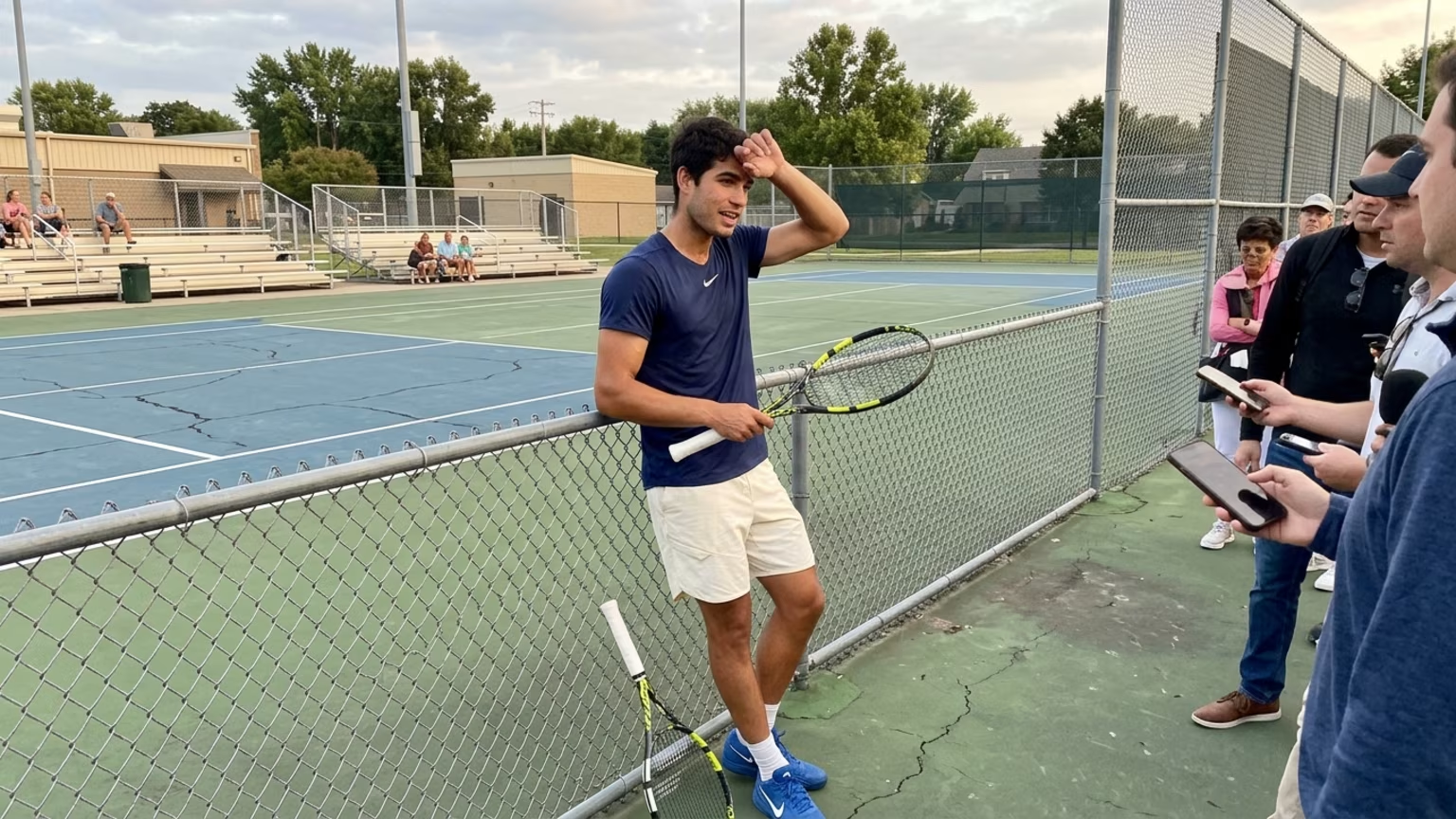

Carlos Alcaraz detailed his staged physical return following the US Open. Learn how separating racket practice from gym conditioning aids athletic longevity.




After his quarterfinal loss at the US Open, Carlos Alcaraz spent almost a week without picking up a tennis racket. Speaking following his Laver Cup match against Taylor Fritz, Alcaraz explained that he used this time away to focus on bodily recovery. He prioritized rest after a highly demanding stretch of physical matches in New York. The Spanish player noted that he still completed necessary physical work before gradually returning to his usual tennis rhythm.
The details of this recovery window offer a clear look at modern schedule management for elite athletes. Yahoo Sports reported that Alcaraz resumed physical and on court training five days after his US Open exit. While he stayed away from ball striking for nearly a week, he remained active in the gym. This approach allowed his joints and tennis specific muscles to rest while he maintained his baseline fitness.
Taking time away from the primary sport is a deliberate strategy to reset the body without losing conditioning. By stepping off the court, a player can let acute inflammation subside while still maintaining cardiovascular health. Alcaraz utilized this exact strategy to bridge the gap between a major championship and his next team event. This calculated separation of racket skills and athletic maintenance is a hallmark of top tier professional preparation.
When he did return to competitive play at the Laver Cup, Alcaraz relied on peer feedback to navigate his matches effectively. He credited on court advice from Casper Ruud for helping him during a critical match tiebreak. Ruud advised him to stay calm, avoid overplaying his shots, and focus heavily on finding a consistent rhythm. Alcaraz said this tactical guidance was highly effective and helped him secure the victory.
Looking at the broader picture, the young star is already planning for his long term physical future. Reuters reported that Alcaraz expects to take breaks of one or two months in upcoming seasons because playing every tournament is impossible. This level of foresight is essential for surviving the grueling pace of the international tennis circuit. Elite players are increasingly recognizing that endless competition eventually breaks down even the strongest bodies.
Furthermore, Tennis Majors reported his ambition to keep playing professional tennis for another 10 to 15 years. He stressed that taking care of his mental health and physical body is the absolute foundation for achieving that longevity goal. This mindset shifts the focus from winning the next immediate trophy to sustaining a high level of performance over a decade. It is a mature approach that prioritizes career sustainability over short term ranking points.
Amateur players often draw the wrong conclusions from professional downtime by stopping all physical activity entirely. When they eventually return to the club, they expect their bodies to perform exactly as they did before the layoff. The professional reality is very different and much more calculated. Alcaraz separated his court time from his general physical conditioning by resting his swing while maintaining his foundational athleticism.
Adult league players should adopt this exact mindset to protect their joints over time. I remember finishing a tough two hour padel match on a cold Tuesday night and waking up with severe lower back stiffness. For a long time, I just accepted this pain as the unavoidable price of playing hard. Once I started spending just ten minutes on targeted hip mobility before heading to the club, the discomfort almost completely vanished.
It taught me that we do not have to accept pain as a default state of aging. We simply need to manage our bodies diligently off the court to support our efforts on it. Recreational players often ignore their physical maintenance until an injury forces them to the sidelines. By proactively managing your training load, you can dramatically reduce the risk of recurring joint issues.
Casper Ruud's advice to avoid overplaying is highly relevant for recreational athletes. When adult players return from a break, they often try to hit low percentage winners to compensate for their lack of rhythm. This aggressive approach usually leads to unforced errors and unnecessary physical strain. By focusing on consistency and staying calm during chaotic points, amateurs can rebuild their confidence without risking a sudden injury.
When returning from any significant break, amateurs must focus on gradual progression. Following a structured return to play recovery guide can help players safely rebuild their match fitness. The most effective approach involves a steady increase in physical activity alongside regular strength work. Adult players should prioritize solid sleep practices and active mobility routines to support their on court efforts.
Recreational players must also listen to early warning signs from their bodies to prevent chronic issues. When experiencing persistent pain or unusual fatigue, the correct response is reducing activity levels rather than trying to play through the discomfort. Adult amateurs do not have access to daily physiotherapy, so conservative load management is essential. Understanding how tournament formats and match volume impact your body can prevent you from overcommitting to a weekend event.
Managing setbacks requires discipline and a willingness to step back when necessary. If a nagging pain does appear, planning a careful return to the court after an injury is always the smartest strategy. Pushing through discomfort usually leads to longer involuntary layoffs and compounding joint issues. Taking control of your recovery timeline ensures you can keep enjoying the sport for years to come.
The timeline of this recent break highlights the extreme physical demands of the modern tennis tour. Resuming physical and on court training five days after a major tournament loss is a very narrow window for recovery. Taking almost a week without a racket provides just enough time to clear localized joint inflammation before the next intense training block begins. It is a precise calculation designed to maximize readiness without tipping into overtraining.
The most telling figures relate to his future career planning and tournament pacing. Aiming for a 10 to 15 year career horizon requires extreme physical discipline today. By projecting one or two month breaks in future seasons, Alcaraz is challenging the traditional professional grind. These metrics show that even the most resilient athletes require programmed and extended rest to survive the calendar.
The physical toll of chasing a 10 to 15 year career cannot be understated. Professional tennis requires abrupt changes of direction, explosive lateral movements, and severe rotational forces on the spine. Enduring these physical loads for over a decade means that every rest period must be highly intentional. By prioritizing his long term health now, Alcaraz is setting a new standard for how young athletes manage their physical capital.
As the current tennis season moves toward its final events, load management will dominate the conversation among top players. Expect more professionals to publicly discuss skipping mandatory tournaments to preserve their bodies for the long term. The traditional tennis calendar is clearly clashing with modern physical demands. Players are recognizing that chasing weekly ranking points can compromise their athletic longevity, forcing tournament organizers to eventually reconsider the length of the competitive year.
Follow Evercourts for practical insights on tennis, pickleball and padel performance, movement, recovery and healthy ageing. Stay connected for new articles, research-led guidance and ideas to help you play well and keep playing for years.


An evidence check on sports supplements like tart cherry juice. Learn why racquet sports players should prioritize core nutrition over functional foods.
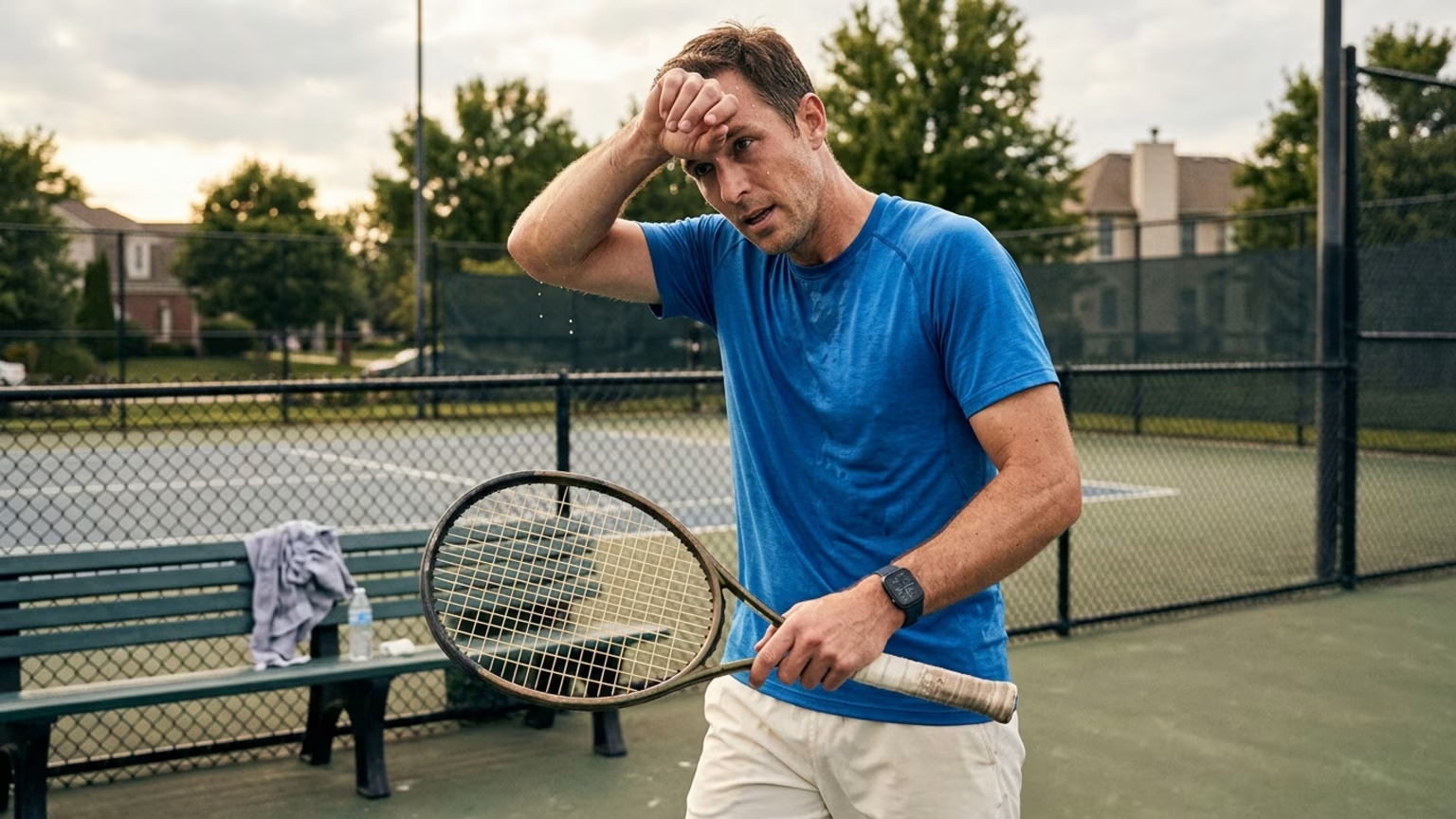
In late 2026, Oura analyzed wearable data to see how recreational tennis impacts heart health and recovery. Learn what this means for your athletic longevity.
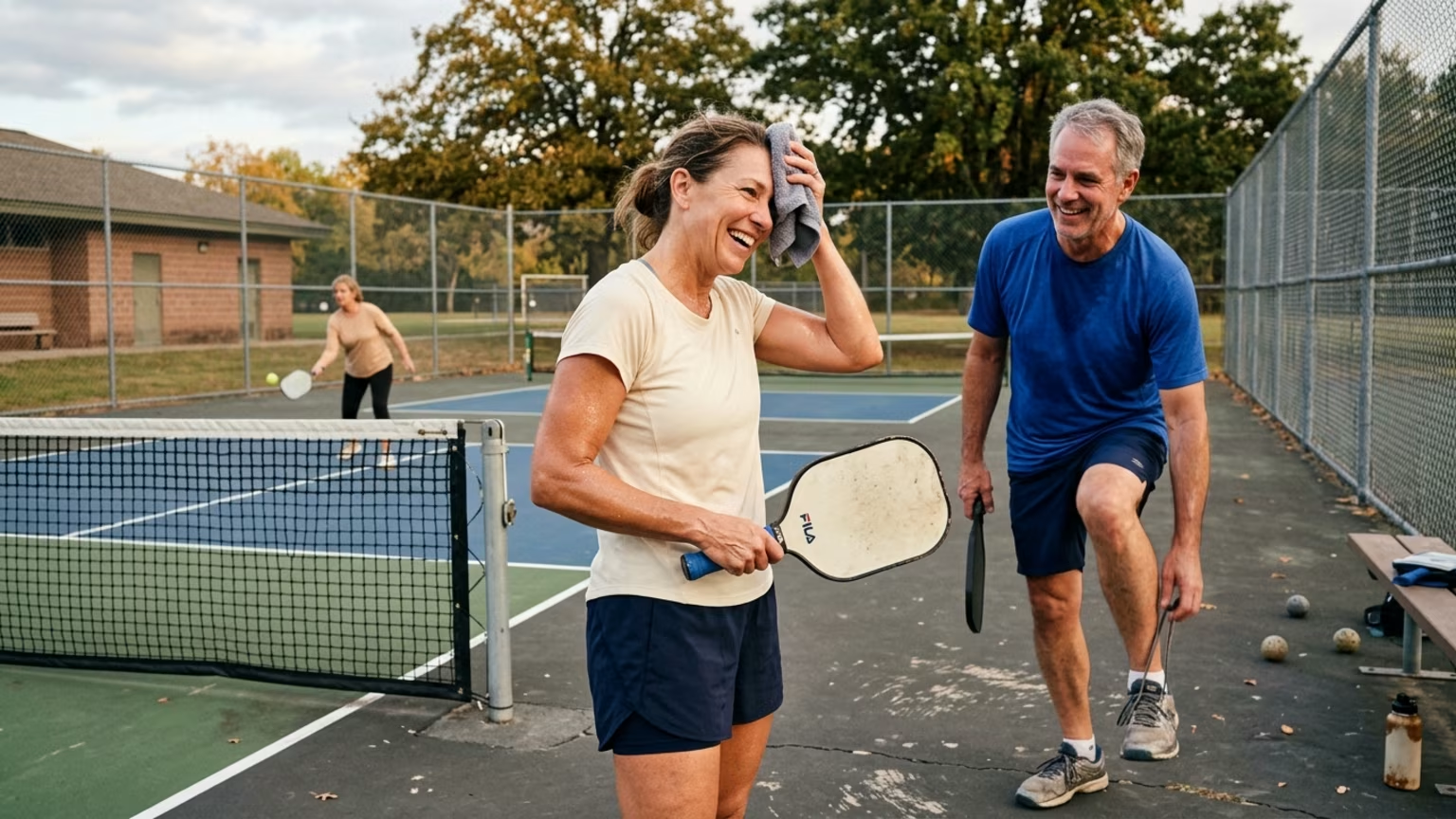
Recent guidelines emphasize gradual progression, dynamic warm-ups, and scheduled recovery to help adult racquet sports players maintain athletic longevity.
Read practical guidance for better movement, smarter preparation and a game that keeps working for you.
explore the Blog
