

A practical guide for tennis and pickleball players on adapting warm-ups for cold weather. Extended dynamic routines prepare joints for rotational play safely.




On September 29, 2026, Quartz published a training report detailing how athletes must alter their physical preparation as temperatures drop. The publication specifically highlights tennis and pickleball as rotational sports requiring updated routines. Instead of quick baseline stretches, the guidance emphasizes a shift toward extended, gradual dynamic movement in cold air. The report outlines clear structural changes for pre-match routines before high-intensity efforts begin.
The Quartz publication introduces a concrete timeline for cold-weather court preparation. Its central advice is to extend a familiar five minute warm-up to 10 to 15 minutes during colder months. The report emphasizes that adding time is only part of the solution for cold environments. Players must also structure their preparation using deliberate, gradual dynamic movement patterns. The recommended exercises include leg swings, walking lunges, arm circles, and build-up strides.
The guidance draws specific attention to the physical mechanics of tennis and pickleball. The article states that these sports involve sudden, high-velocity movement through the shoulder, spine, and hip. Players frequently execute these aggressive movements from a completely standing start in cold air. To mitigate the physical stress of these sudden actions, Quartz recommends arriving 10 minutes early. This specific window should be used to rehearse rotational patterns at a low speed.
Quartz also clearly distinguishes a short warm-up from a flawed sequence. The report suggests starting with five minutes of brisk walking or easy stationary cycling. This creates a gradual temperature-raising phase before athletes begin any joint-intensive movement. The guidance cautions against relying on simple static stretching at the net. Low-speed rotational rehearsal prepares the necessary muscle groups much more effectively for court demands.
Professional racquet athletes treat their warm-up as an integrated, vital phase of their daily performance. They work with specialized coaches and physiotherapists to ensure their joints are thoroughly mobilized. Elite athletes complete highly structured movement sequences to manage the specific demands of cold weather. For the adult recreational player, this extensive physical preparation presents a difficult logistical challenge. Most recreational play operates on strict, limited court booking schedules.
Adult players often arrive just in time for their local league matches. They typically rush from their cars, take a few quick practice swings, and immediately begin playing. This approach creates significant physical friction when weather conditions change and temperatures drop. High-velocity rotational movements in cold air demand more from the body than a hurried baseline routine can support. The Quartz recommendation to arrive 10 minutes early provides a highly practical framework for adult players.
Recreational athletes can easily complete their low-speed trunk and upper-body rotations outside the fence. By dedicating time before the clock starts, players protect their actual, limited court booking. This proactive habit supports athletic longevity and promotes better immediate performance on the court. Incorporating structured, dynamic court-ready routines ensures the body is prepared for sudden directional changes. It shifts the focus from simply getting warm to genuinely rehearsing the specific demands of racquet sports.
This approach respects the practical reality of weekend leagues and early morning matches. Players who transition straight from the car to the baseline often start their matches feeling sluggish. A dedicated rehearsal period allows players to increase their physical effort progressively over time. They can hit their first serves with confidence rather than shocking cold tissues with full-speed strokes. Developing proper core stability and rotation off the court translates directly to a more capable, resilient recreational player.
The Quartz article offers precise timelines to help players monitor their personal physical readiness. It notes that a player might still experience joint stiffness 15 to 20 minutes into a session. If this persistent stiffness occurs, the publication recommends adding a dedicated mobility block to the routine. The report also highlights a critical threshold for evaluating overall movement quality and preparation. It states that stiffness continuing beyond the 20 minute mark may indicate a sequencing problem rather than simply needing a longer warm-up.
Broader movement reporting supports this highly structured approach to pre-match physical preparation. On September 24, 2026, CNN published a report describing a six to 16 minute warm-up range for athletes. The CNN coverage outlines specific movement recommendations tailored for modern racquet sports. For tennis and pickleball players, CNN suggests adding lateral shuffles, split steps, and controlled rotational swings. These exercises specifically mirror the precise movement patterns required during competitive baseline play.
These combined timelines provide amateur players with measurable, practical ways to assess their preparation. A five minute walk followed by dynamic work fits cleanly within the six to 16 minute range outlined by CNN. If a player completes this sequence and remains stiff at the 20 minute mark, they must rethink their sequence entirely. Relying on targeted cross-training methods helps players identify and resolve these underlying physical restrictions. Proper sequencing allows the body to build heat progressively without forcing restricted joints through complex ranges of motion.
As winter weather establishes itself, the culture around amateur court preparation will likely evolve. The traditional reliance on quick static stretching will slowly give way to purposeful, sequential movement routines. Adult recreational players are increasingly focused on maintaining their physical capabilities for years to come. Recognizing the physical demands of cold weather empowers players to make smarter decisions before the match ever begins.
Facility operators may begin encouraging dedicated off-court movement areas to support players arriving early. Understanding the difference between needing more time and needing a better sequence will dictate how players manage cold-weather play. Athletes who adopt these progressive, dynamic routines will set themselves up for better movement on the court. Consistent preparation ensures that players can sustain their enjoyment and athletic performance throughout the entire winter season.
Follow Evercourts for practical insights on tennis, pickleball and padel performance, movement, recovery and healthy ageing. Stay connected for new articles, research-led guidance and ideas to help you play well and keep playing for years.


An evidence check on sports supplements like tart cherry juice. Learn why racquet sports players should prioritize core nutrition over functional foods.
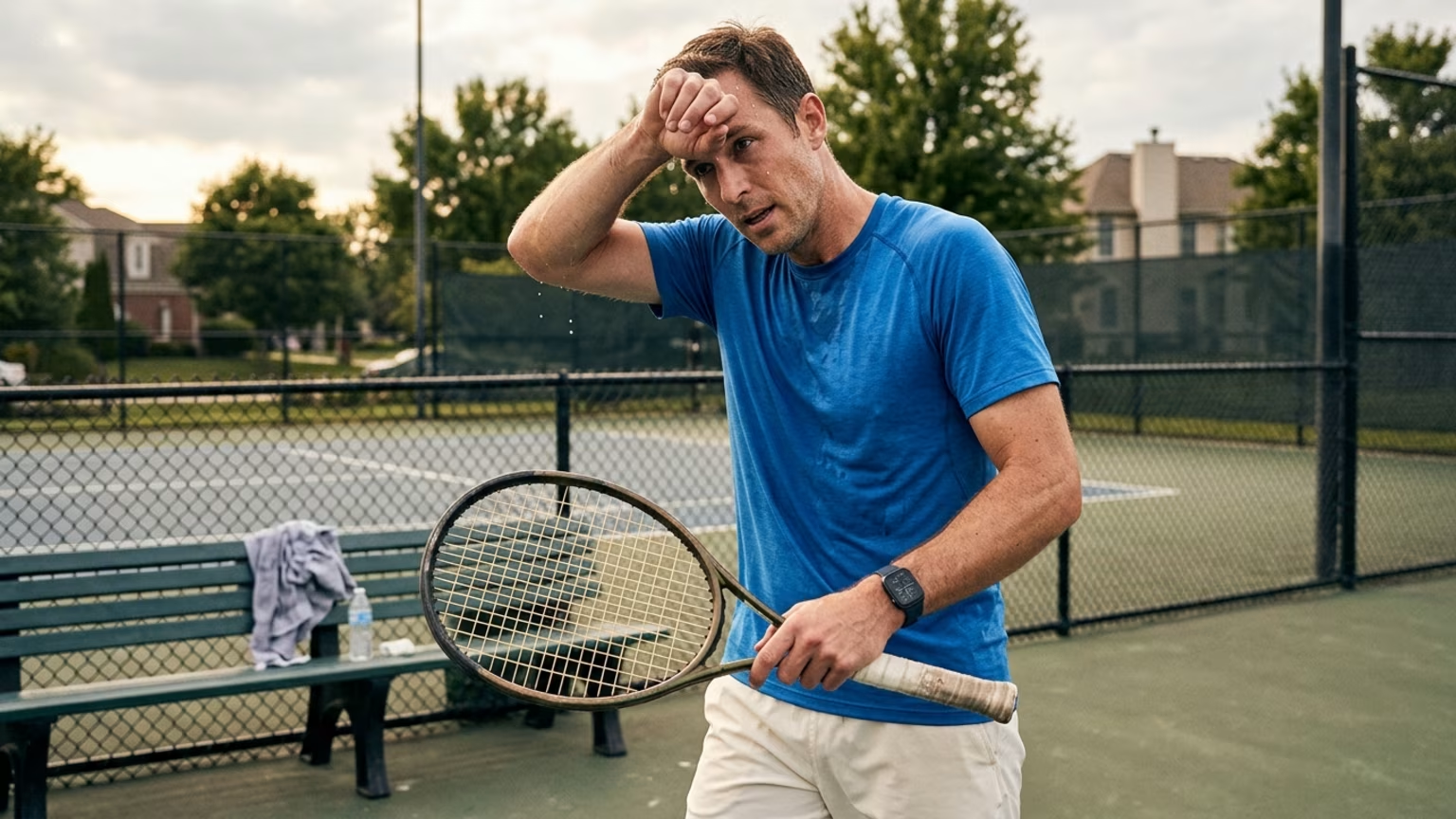
In late 2026, Oura analyzed wearable data to see how recreational tennis impacts heart health and recovery. Learn what this means for your athletic longevity.
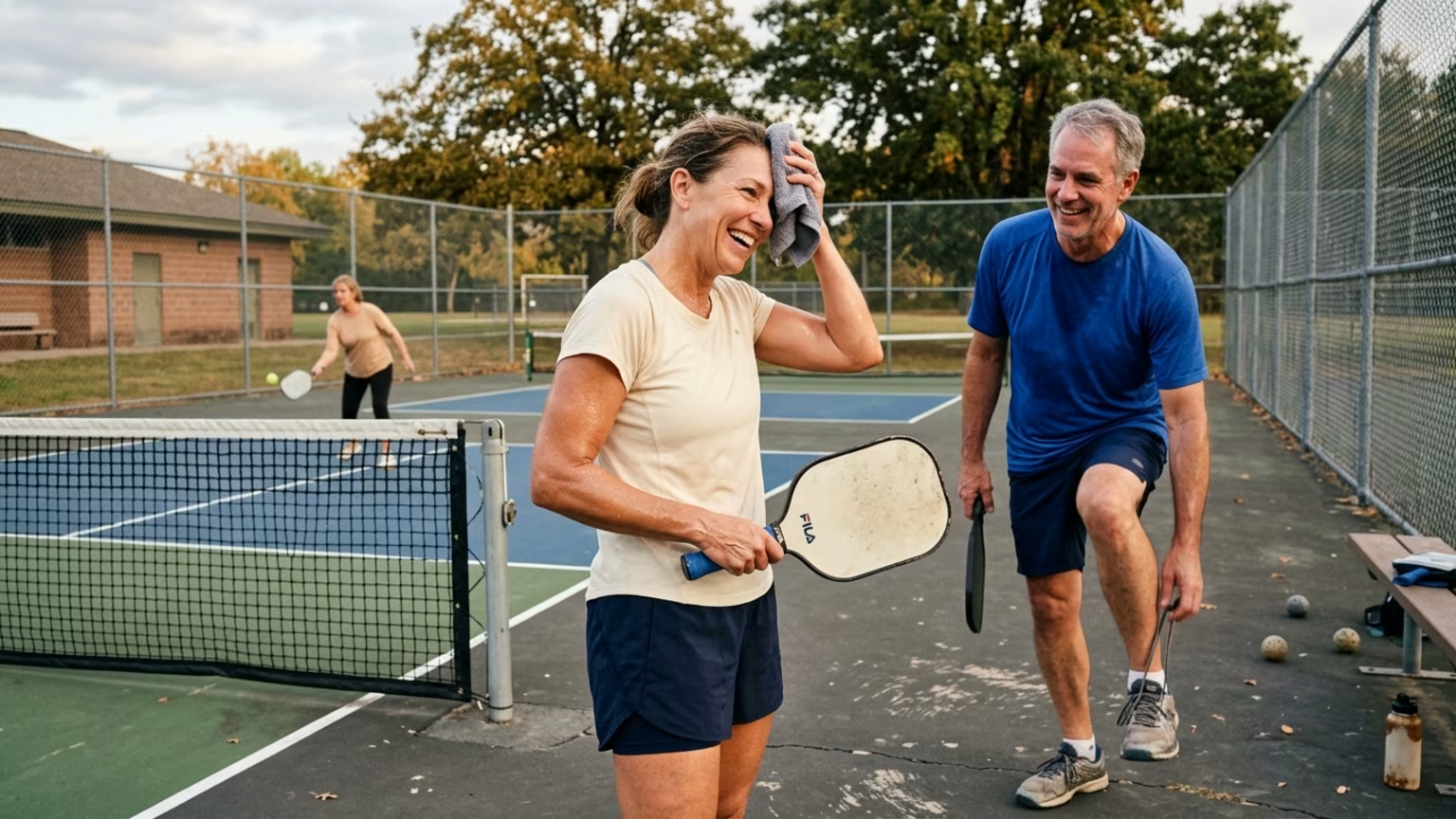
Recent guidelines emphasize gradual progression, dynamic warm-ups, and scheduled recovery to help adult racquet sports players maintain athletic longevity.
Read practical guidance for better movement, smarter preparation and a game that keeps working for you.
explore the Blog
