

Practical answers on court shoe surfaces, fit, lateral support and wear for tennis, padel and pickleball, without injury-prevention promises.




How do I choose court shoes that suit my surface, fit and side-to-side movement? Start with the surface you play on, then compare lateral support, comfortable fit and outsole durability rather than relying on the sport printed on the box.
The specialist guidance behind this framework offers practical recommendations rather than proven injury-prevention effects. No shoe removes injury risk, and no single model is established as the best choice for every player.
Start with the court. A specialist tennis-shoe guide recommends considering surface first, followed by lateral support, fit and outsole durability. That order is a useful way to organise a purchase rather than a scientifically validated ranking.
The guide makes a specific distinction between clay and hard courts:
Those recommendations are more useful than treating every court shoe as interchangeable. They give you concrete features to compare before colour, styling or a sport-specific product name enters the decision.
Traction also deserves a more careful question than “Which shoe grips hardest?” The guidance supports matching tread to the surface. It does not establish a particular friction level as safest for all players or justify treating more grip as automatically better.
For a practical comparison, identify the surface you use most often and examine the outsole recommendation for each candidate. Then assess support and fit rather than allowing the surface label to settle the whole purchase. A clay designation describes an intended use, not how the shoe will hold your particular foot.
If you regularly change surfaces, repeat that comparison for each setting instead of assuming one outsole is equally suitable everywhere. The sensible buying question is whether the shoe matches your actual court use.
Footwear also belongs within a wider approach to choosing court equipment, rather than carrying the whole burden of comfortable play.
Look for a secure hold without crowding the toes. The research brief’s practical fit guidance is to check the heel, midfoot and toe space while standing and during ordinary lateral court movements.
A useful comparison asks:
These are practical observations rather than a universal fit test. The aim is to compare how the shoe holds your foot during the movement you expect to use, not to award it a pass based only on standing comfort.
The same tennis-shoe guide explains lateral support in straightforward terms: the shoe’s structure should help keep the foot from moving over the edge of the midsole during a planted change of direction. That gives “support” a more useful meaning than a broad promise on a product page.
It also separates two questions that can otherwise get mixed together. One is whether the shoe has a supportive structure. The other is whether that structure holds your foot comfortably during court movement.
A stable-feeling base and a secure fit therefore belong in the same assessment. Room for the toes should not mean accepting a loose hold elsewhere. Equally, a secure-feeling shoe should still be comfortable rather than simply tight.
For the movement side of that assessment, Evercourts also covers body control during changes of direction. The footwear question remains specific: how does this pair feel while your foot moves within it?
Do not treat either a sport-specific label or a shared “court shoe” description as a complete answer. The practical case for using a pair across sports rests on its surface suitability, fit and lateral support.
The clearest detailed recommendations in the cited footwear guidance concern tennis surfaces. Compare the clay-specific herringbone recommendation with the durable rubber and multidirectional tread recommended for hard courts.
Then return to fit. A surface-appropriate outsole does not answer whether the heel is secure or the shoe feels stable during your lateral movements. Treat surface suitability as the starting point rather than the final decision.
A provider’s pickleball injury-prevention guidance recommends court-sport footwear with firm lateral support and a sole suited to the playing surface. This is provider advice rather than a clinical trial result.
That recommendation gives you something concrete to assess. The word “pickleball” on the box does not replace checking the outsole or how the shoe holds your foot.
For padel, keep the recommendation at the level the evidence supports: match the outsole to the actual court and assess comfortable fit and lateral support. A precise padel-specific tread prescription goes beyond the available guidance.
There is no need to turn that boundary into a marketing shortcut. A padel label alone does not establish suitability, just as a tennis label alone does not rule it out.
Across all three sports, the useful distinction is between a product description and a suitable match. Neither automatic crossover nor automatic separation by sport is established by these sources.
A specialist footwear guide suggests reassessing shoes for several visible or felt changes:
Inspect both shoes rather than judging the pair from the tread alone. A separate clay-court wear guide notes that tread may remain visible even when foam creases or a shoe leans when set down. It also identifies post-match foot discomfort as a reason to reassess.
These are screening cues, not proof that a shoe is unsafe. The guides do not establish a universal mileage or calendar-based replacement schedule, so a fixed deadline should not replace checking condition and feel.
Persistent pain, an injury history or unusual fit needs call for individual advice from a qualified professional. New discomfort should not automatically be attributed to footwear; understanding on-court warning signs is a separate part of informed play.
A thoughtful shoe choice supports athletic longevity through attention to suitability rather than promises of protection. Comfortable, confident play for years to come remains the goal.
Follow Evercourts for practical insights on tennis, pickleball and padel performance, movement, recovery and healthy ageing. Stay connected for new articles, research-led guidance and ideas to help you play well and keep playing for years.


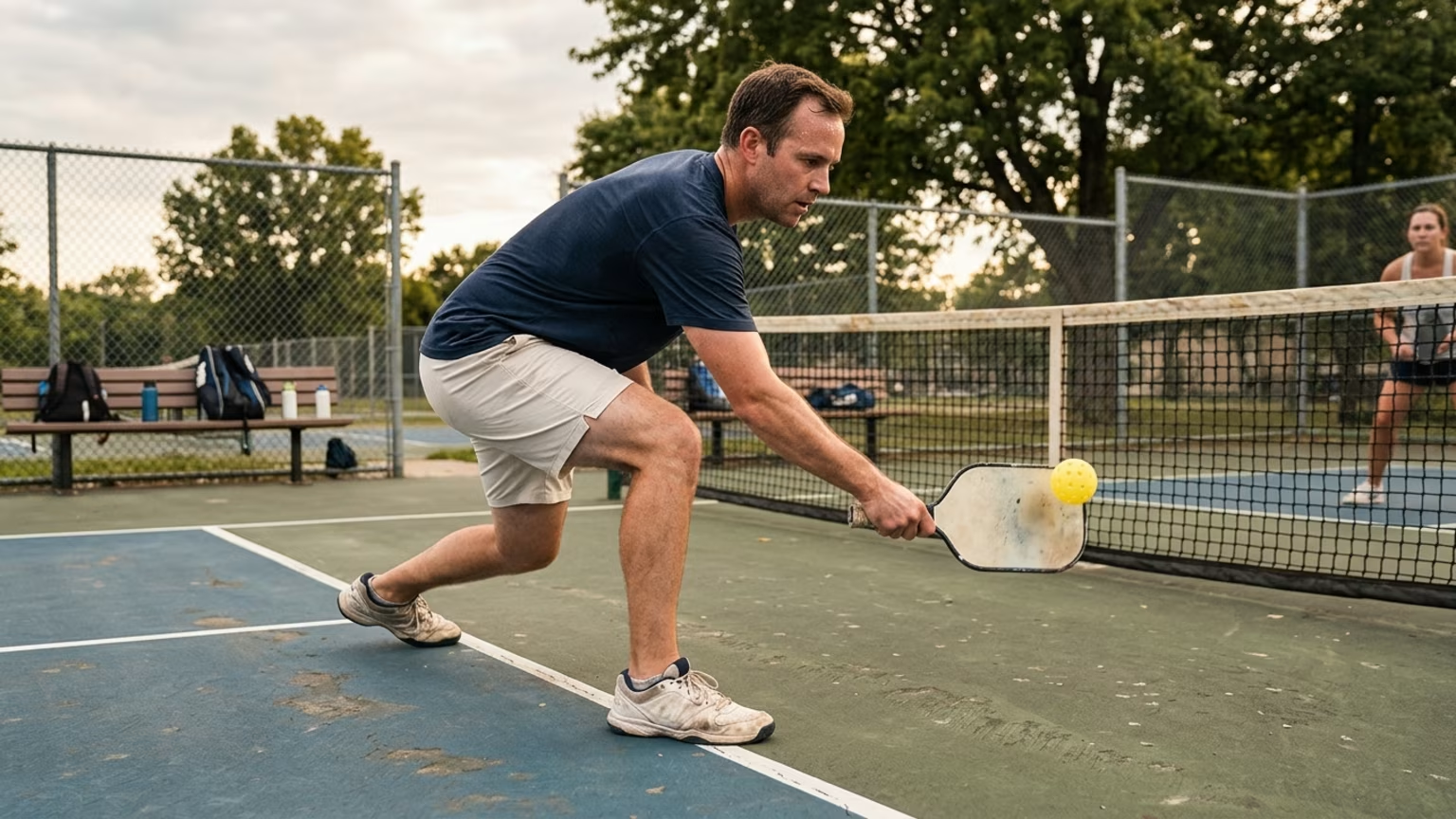
Understand kitchen-line mobility, use a modest comfort self-check, and consider simple movement options without treating flexibility as an injury forecast.

A practical guide to padel fatigue, flexible pacing, hydration considerations and symptoms that mean stopping play and seeking care.
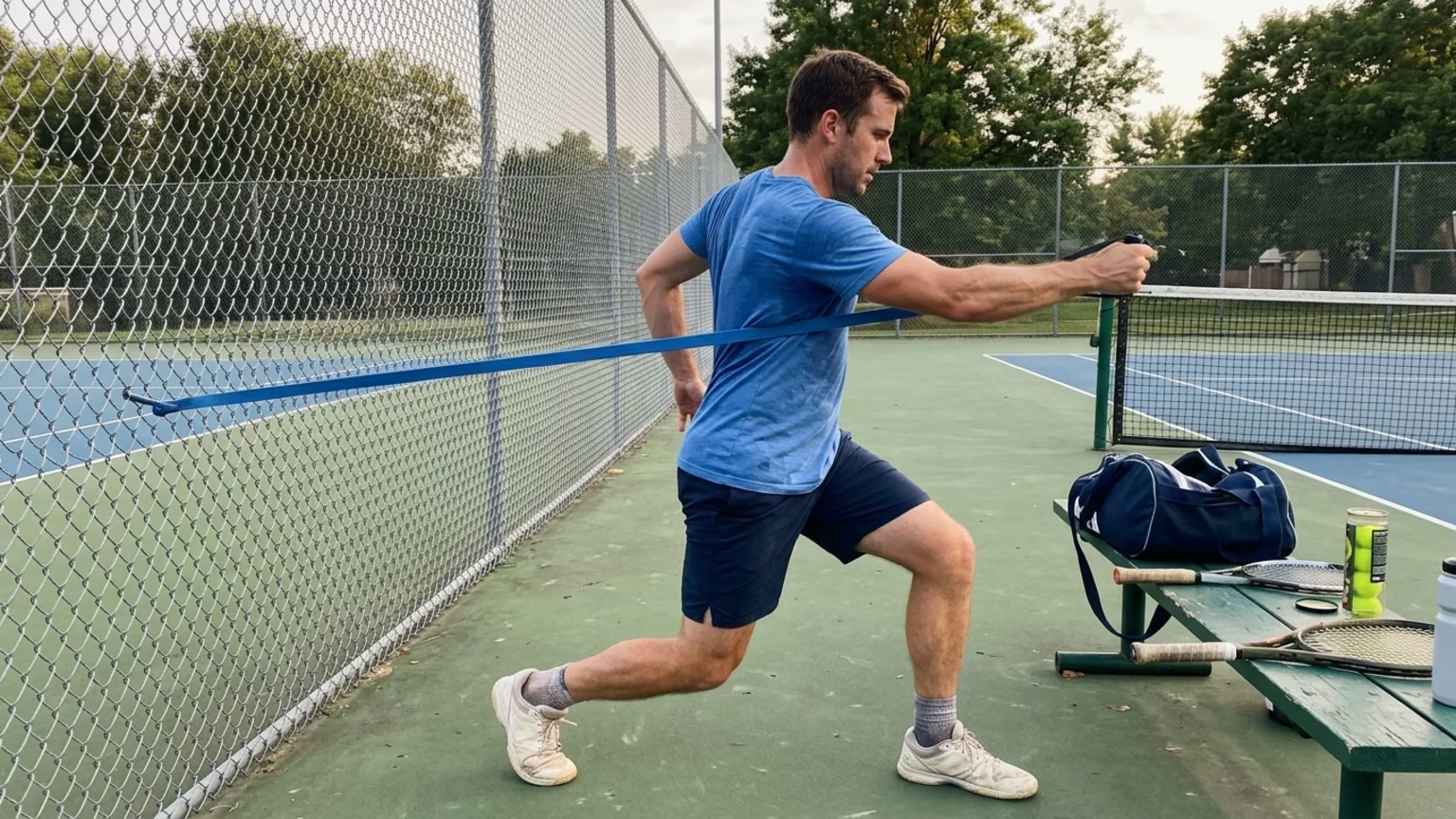
Understand tennis shoulder strength beyond cuff exercises, including shoulder-blade work, whole-body serving, workload and signs to seek assessment.
Read practical guidance for better movement, smarter preparation and a game that keeps working for you.
explore the Blog
