

A practical guide to padel fatigue, flexible pacing, hydration considerations and symptoms that mean stopping play and seeking care.




Match fatigue is the tiredness that builds during or after play and can make repeated efforts feel harder. On a padel court, picture the next ball: moving toward it, controlling the stop and preparing to move again. Reaching it once is only part of the task.
The practical question is whether continuing feels manageable and your movement remains controlled. That is more useful than treating another completed match as proof that everything is fine.
Managing fatigue does not require a rigid rule for every session. It means leaving room to reassess effort, drinking opportunities and recovery before automatically starting again. It also means treating concerning symptoms differently from ordinary tiredness.
Think about a rally as a sequence rather than a single shot. There is the effort to reach the ball, the stop or change of direction and the preparation for the next response. Repeating that sequence is the demand that matters here.
Tennis, pickleball and padel all ask players to repeat bursts of effort and changes of direction. The practical question across these sports is not simply whether a player can produce one quick movement. It is how comfortably they can keep responding to the next ball.
That does not make the sports interchangeable. For this padel discussion, assess the play in front of you rather than borrowing assumptions about how tiring another racquet sport should be. Avoid using court size or a sport's reputation as permission to dismiss your own experience.
A useful self-check is functional: are you still arriving in control and recovering your position? Treat a noticeable deterioration as a prompt to pause and reassess. This is a practical observation, not a diagnosis or a fitness score.
Hydration advice is one area where precision can sound more convincing than the evidence deserves. In a practitioner article on padel match nutrition, the author describes padel-specific hydration data as limited. Published padel sweat-rate and sweat-sodium measurements were not available to the author.
That commentary supports caution about presenting general sports-nutrition figures as padel-tested requirements. It does not justify a fixed drinking volume or electrolyte target for every player. Likewise, the pacing suggestions here are practical ways to reassess play rather than a validated fatigue test or a prescribed recovery interval.
The useful takeaway is straightforward: keep opportunities to drink available and consider conditions and individual need. A quota copied from another player is not automatically the right plan for your session. Personal health questions about hydration belong with a qualified healthcare professional.
Keep the same distinction between observation and explanation when judging fatigue. “My footwork feels less controlled” describes something you can notice. “I know exactly what is happening inside my body” goes further than that observation supports.
You do not need to identify a physiological mechanism before deciding to take a break. Equally, a moment of good play should not become a reason to disregard a concerning symptom. Pacing decisions and medical warning signs need different responses.
For adult players, athletic longevity is a useful planning priority: make room for future play rather than treating every available match as an obligation. This is a way to organise participation, not a promise that a particular routine will prevent injury or preserve performance.
Start with the space around the matches. A schedule that leaves room to pause allows a fresh decision about continuing. A schedule built around filling every gap with play leaves less room for that choice.
Evercourts's guide to making space for recovery between points and matches offers a broader framework for thinking about those opportunities. Use planning as support for judgment rather than as a contract to complete every planned session.
Three practical considerations can keep that judgment clear:
The point is not to monitor every imperfect shot. A missed volley or awkward step does not provide a diagnosis. Look instead at whether something feels meaningfully different from your usual play and whether it keeps affecting your ability to move comfortably.
Preparation belongs in this broader picture too. Evercourts's resource on building a flexible pre-match routine can sit alongside recovery planning. Neither preparation nor a completed warmup should be treated as clearance to ignore symptoms later.
For players thinking in terms of years rather than a single afternoon, the useful habit is making deliberate choices. Sometimes that means continuing after an ordinary pause. Sometimes it means ending the session without needing to justify the decision through a score or a match count.
A concern about movement quality calls for reassessment. Certain symptoms call for stopping exercise and considering medical care rather than another rally.
OSF HealthCare advises stopping exercise for symptoms including chest pain, dizziness, lightheadedness or shortness of breath. It advises seeking care if symptoms do not improve quickly. Severe chest pain or shortness of breath warrants emergency evaluation.
Do not use a break as a test of whether you can tolerate those symptoms well enough to continue. The aim is not to prove that they are “just fatigue.” Follow the appropriate care pathway rather than trying to settle that question on court.
Persistent symptoms, unusual symptoms or symptoms that keep returning deserve individual medical advice. For recurring movement concerns that interfere with play, consult a qualified physiotherapist or healthcare provider rather than assigning yourself a diagnosis. Evercourts's guide to thinking through soreness and possible injury provides further editorial context without replacing assessment.
Return to the image of the next ball. Reaching it is not a test you have to pass. When a concerning symptom changes the situation, stepping off court and getting appropriate help is the decision that matters.
Follow Evercourts for practical insights on tennis, pickleball and padel performance, movement, recovery and healthy ageing. Stay connected for new articles, research-led guidance and ideas to help you play well and keep playing for years.


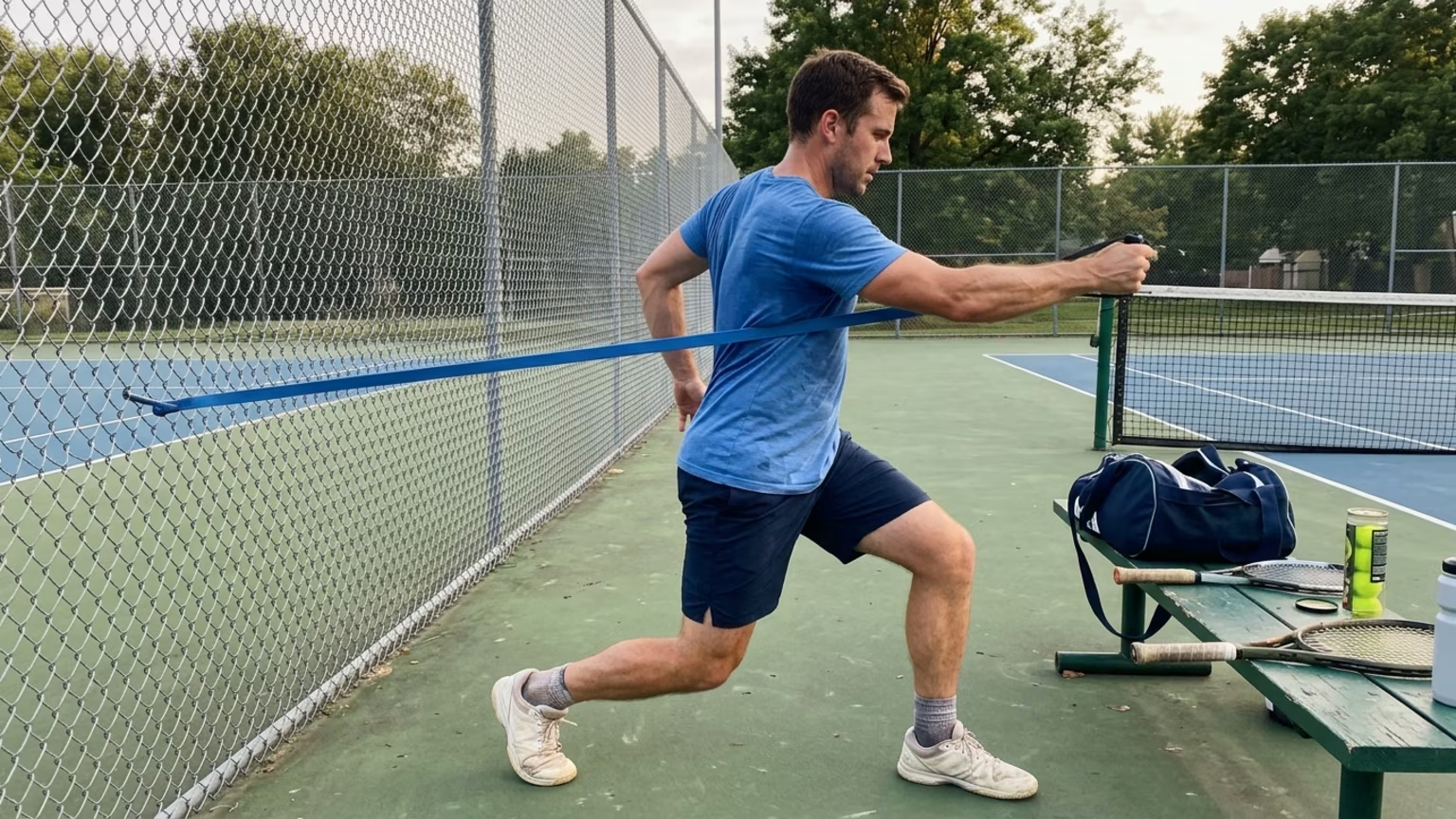
Understand tennis shoulder strength beyond cuff exercises, including shoulder-blade work, whole-body serving, workload and signs to seek assessment.

Compare court size, singles and doubles formats, and wall rebounds to choose tennis, pickleball or padel around your preferences and schedule.
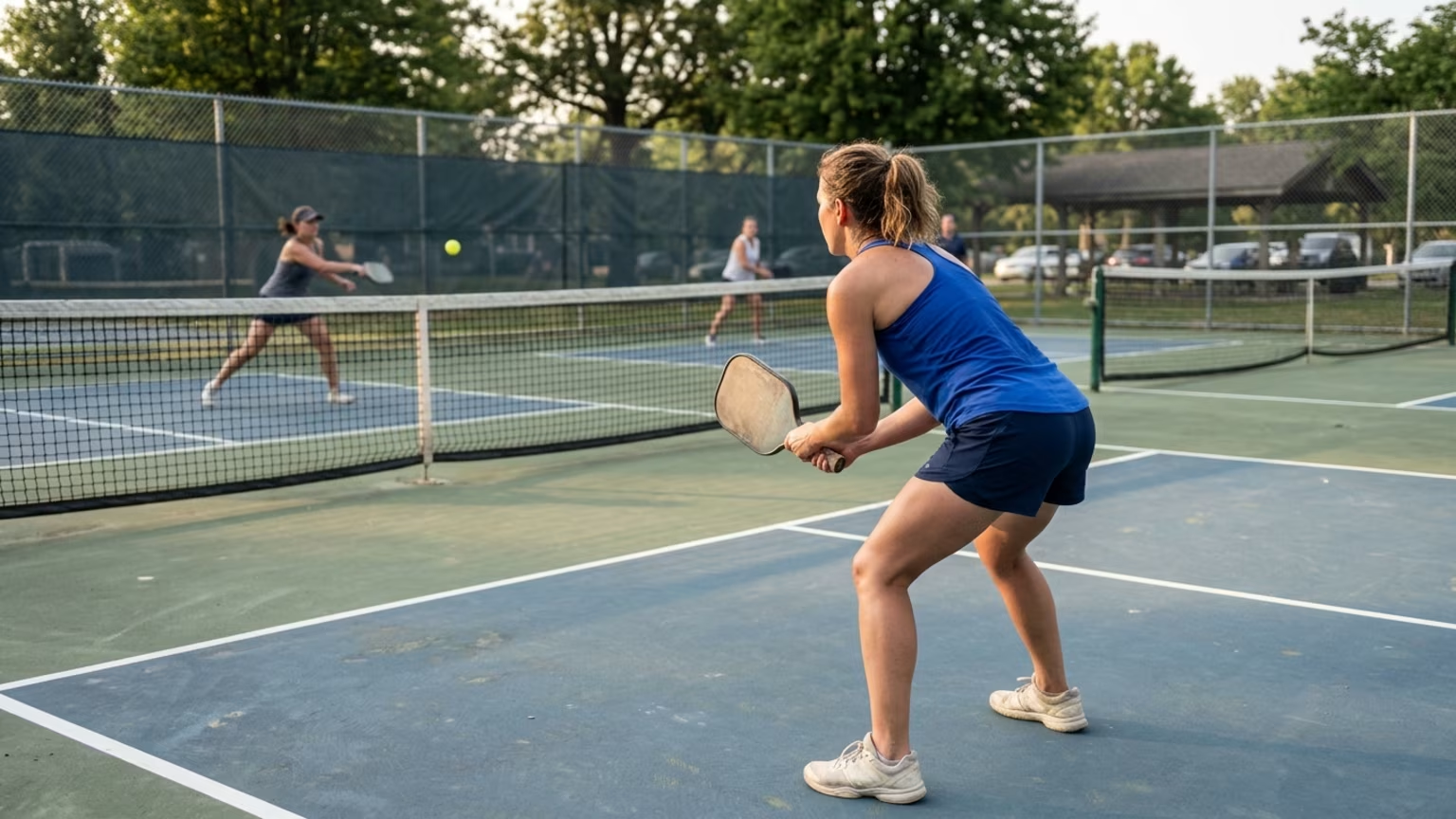
How anticipation informs movement in tennis, pickleball and padel, with research-backed distinctions and practical coaching cues for the next ball.
Read practical guidance for better movement, smarter preparation and a game that keeps working for you.
explore the Blog
