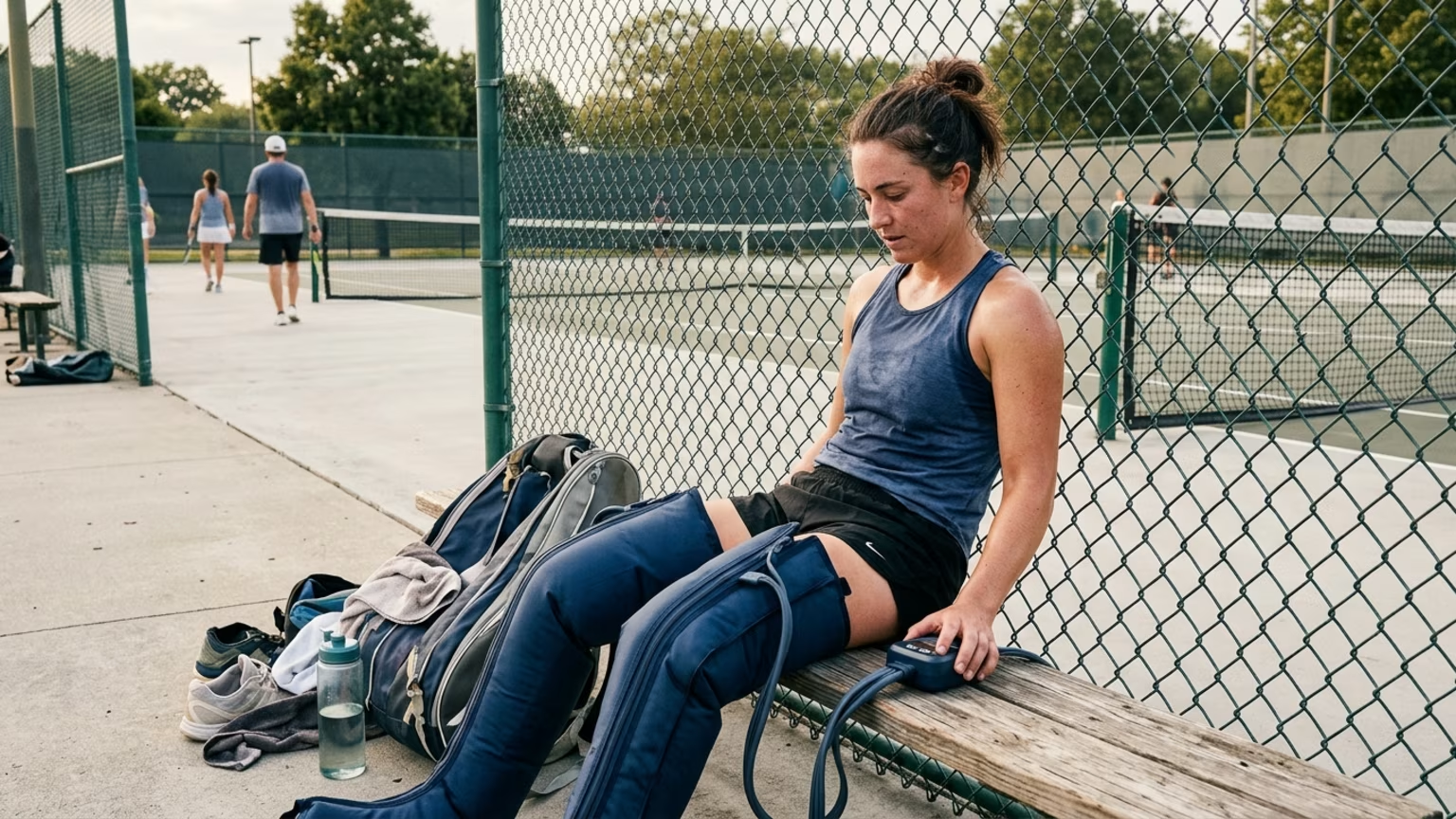

While elite athletes increasingly use compression boots, recent research reveals these tools offer comfort but cannot replace fundamental sleep and rest habits.




On September 15, 2026, Us Weekly published a feature detailing how several prominent athletes use pneumatic compression boots as a recovery tool. The piece was updated on September 16, 2026. It describes how athletes including Simone Biles and Patrick Mahomes incorporate these devices into their schedules. Venus Williams, Stephen Curry, Collin Morikawa, and Tim Ream also use them.
The devices utilize inflatable leg sleeves that apply rhythmic pressure to the lower body. The Us Weekly feature explains that typical sessions last 30 to 40 minutes. These sessions are intended to move fluid, support circulation, and reduce the sensation of heavy legs. They offer a highly accessible form of passive recovery for active individuals.
The athletes featured in the article apply the technology in slightly different ways. Biles told Vogue that compression boots are a staple of her recovery routine. She noted that she uses them alongside Epsom-salt baths. Biles also mentioned to E! News that she and her husband sometimes wear the boots together while relaxing at home.
Mahomes told Men’s Health that he regularly uses the Hyperice Normatec 2.0 Leg Recovery System. Curry informed Business Insider that he wears Normatec boots while watching television or reading. He believes the routine helps him continue playing at a high level. Morikawa stated in a Therabody release that passive recovery products help him decompress while addressing everyday aches.
Ream told Men’s Health he uses the boots alongside red-light therapy and cold plunges to maintain his physical readiness. Williams told SELF that she travels with her compression boots. She noted that she uses them specifically for rehabilitation when dealing with injuries. The feature also cites Princeton Sports & Family Medicine guidance.
This clinical guidance suggests that compression garments worn after exercise may reduce soreness and fatigue. The same guidance indicates they could potentially help athletes return to training sooner. The article presents the boots as an addition to sleep, hydration, nutrition, and rest.
Elite athlete habits often heavily influence adult recreational players. However, professional use does not guarantee that compression boots will improve performance for the weekend tennis or padel player. The strongest expert-backed message in the feature is that these devices should complement foundational habits. They are an addition to sleep, hydration, nutrition, and rest.
The clinical guidance from Princeton Sports & Family Medicine supports using compression garments to address perceived soreness. It also notes their potential utility during rehabilitation to manage swelling and pain. Yet, the article explicitly positions the boots as a supplementary measure. They cannot replace the basic requirements of foundational recovery habits.
In our experience at Evercourts, foundational habits dictate outcomes. I used to think a tough conditioning block was the only way to improve my court endurance. Then I started tracking my sleep. I noticed that on days I slept less than six hours, my reaction time at the net was noticeably sluggish, and I felt gassed by the second set.
Prioritizing consistent rest did more for my late match stamina than any extra sprints ever did. Recovery is the true foundation of performance. Equipment can support that foundation, but it cannot build it.
The feature details several distinct use cases among professionals. Biles uses the boots during home recovery. Mahomes utilizes them between demanding football sessions. Morikawa keeps them in his tournament equipment for on-the-go relief.
Curry incorporates them into his bedtime routine. These varied applications highlight that there is no single mandated protocol. Convenience is a recurring theme among the athletes profiled. The boots can be used at home, while traveling, or between competitions without needing a therapist.
This convenience appeals to adult players managing repeated matches around work commitments. A player might use them after a demanding pickleball tournament or a late evening padel league. The primary benefit for these players centers on comfort. An athlete may feel better after using the boots.
They might notice a reduction in leg heaviness or perceived soreness. However, feeling less sore does not guarantee better muscle repair or an automatic improvement in the next match.
Recreational players should keep their recovery hierarchy clear. Sleep, adequate hydration, proper nutrition, and rest days remain the non-negotiable base. Players returning from an injury must use extra caution. Williams uses boots for rehabilitation, but recreational players should seek guidance from a qualified clinician rather than copying a professional.
A player who experiences persistent swelling, unusual pain, numbness, or skin changes should seek professional evaluation. Increasing compression use is not a substitute for proper medical assessment. People returning from injury need actual rehabilitation programming.
Players should also weigh the opportunity cost of acquiring these devices. The review authors specifically identify cost and opportunity cost as relevant considerations. A player should compare the price of boots against lower-cost priorities. Coaching, strength work, recovery time, and medical assessment often provide more proven value.
A 2026 systematic review and network meta-analysis offers a more cautious interpretation than the athlete testimonials. This review examined 16 randomized controlled trials. It involved 273 participants and eight recovery outcomes in competitive, elite, or professional endurance athletes. The review studied endurance competitors rather than adult recreational racquet players.
Therefore, its findings should not be generalized too precisely to every population. The review authors reported that no physical recovery modality outperformed passive recovery on the outcomes they examined. For compression garments and sport-specific performance, the review reported a standardized mean difference of 0.04. The 95 percent confidence interval ranged from negative 0.37 to 0.45.
The authors classified this evidence as moderate certainty. They noted the result fell within a range they prespecified as clinically unimportant. In the review, compression garments showed no clinically important improvement in sport-specific performance. The authors cautioned that the evidence base faced specific limitations.
It was limited by small samples, heterogeneous outcome measures, and heavy reliance on single trials. Thirty-five of 55 network nodes were informed by a single trial. The review also included intermittent pneumatic compression in the evidence base. However, pneumatic compression was represented by only a single trial in the relevant networks.
The review found no significant advantage over passive recovery for delayed-onset muscle soreness in its main analysis. An apparently large benefit appeared in one sensitivity analysis. The review authors rejected this result as unreliable. It depended heavily on one anomalous passive-recovery control arm and estimated values.
The authors considered another favorable finding for jump outcomes potentially artifactual because the analysis pooled non-equivalent measures. The overall evidence for recovery modalities was generally weak. Thirty-one of 47 comparisons were rated very low certainty. Fifteen were rated low certainty.
Only one comparison received a moderate certainty rating. The researchers warned that subjective outcomes like soreness might be influenced by user expectations. Physical recovery interventions are notoriously difficult to blind. The review authors identified athlete preference and perceived benefit as legitimate considerations.
They also warned that cost and opportunity cost should be weighed carefully.
Over the next season, we expect compression tools to remain highly visible across racquet sports. As more players look to support their athletic longevity, the presence of these devices at local clubs will likely grow. The convenience of passive recovery will continue to drive adoption among busy adult players. People will increasingly seek out solutions that fit easily into a busy schedule.
However, the conversation around these tools will need to mature. The market will likely see a shift away from bold performance claims. Instead, the focus will move toward comfort, convenience, and routine building. Players will increasingly view compression boots as a relaxing evening habit rather than a competitive necessity.
The emphasis will shift toward integrating them smartly alongside actual physical therapy and load management. The most successful players will use this technology to complement their player health routines. They will not expect a machine to fix poor sleep or inadequate training preparation. The enduring rule of racquet sports remains unchanged.
Consistent, unglamorous rest is the most effective recovery tool available. We anticipate that future sports medicine guidance will continue to reinforce this practical hierarchy.
Follow Evercourts for practical insights on tennis, pickleball and padel performance, movement, recovery and healthy ageing. Stay connected for new articles, research-led guidance and ideas to help you play well and keep playing for years.


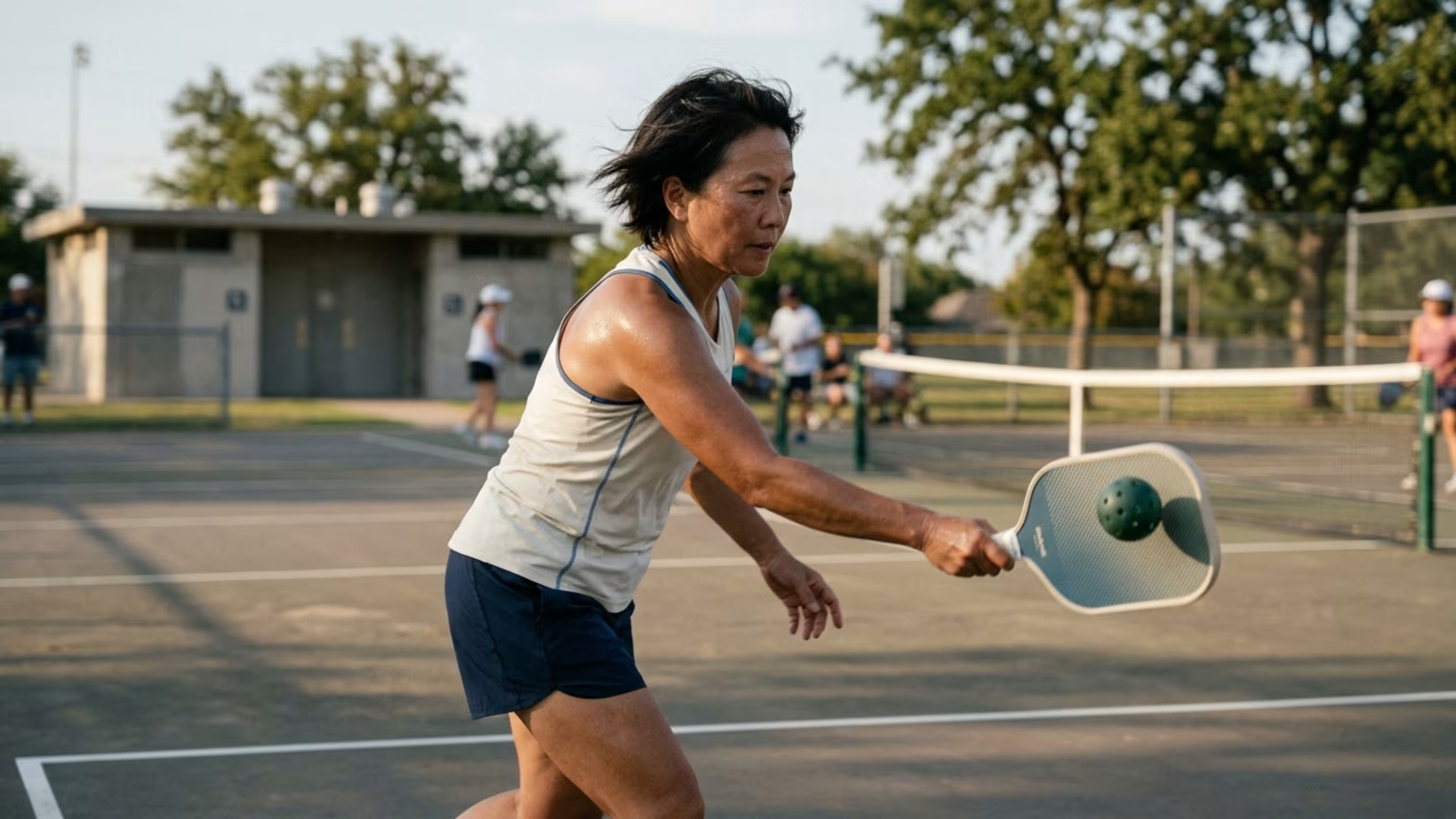
A recent live-play test of a silent pickleball highlights its value for practice, but standard balls still perform better for match play and power control.

An evidence check on sports supplements like tart cherry juice. Learn why racquet sports players should prioritize core nutrition over functional foods.
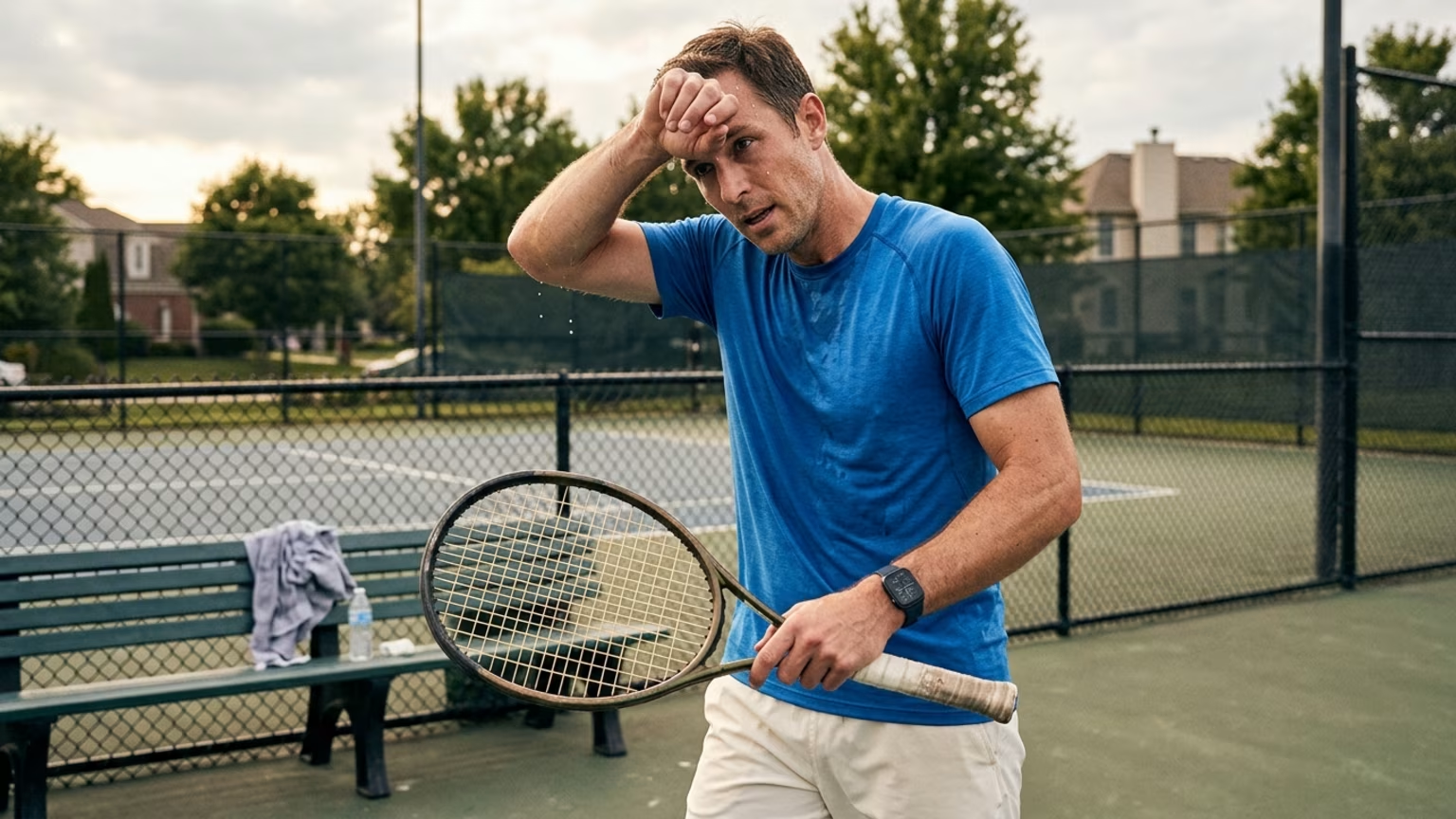
In late 2026, Oura analyzed wearable data to see how recreational tennis impacts heart health and recovery. Learn what this means for your athletic longevity.
Read practical guidance for better movement, smarter preparation and a game that keeps working for you.
explore the Blog
