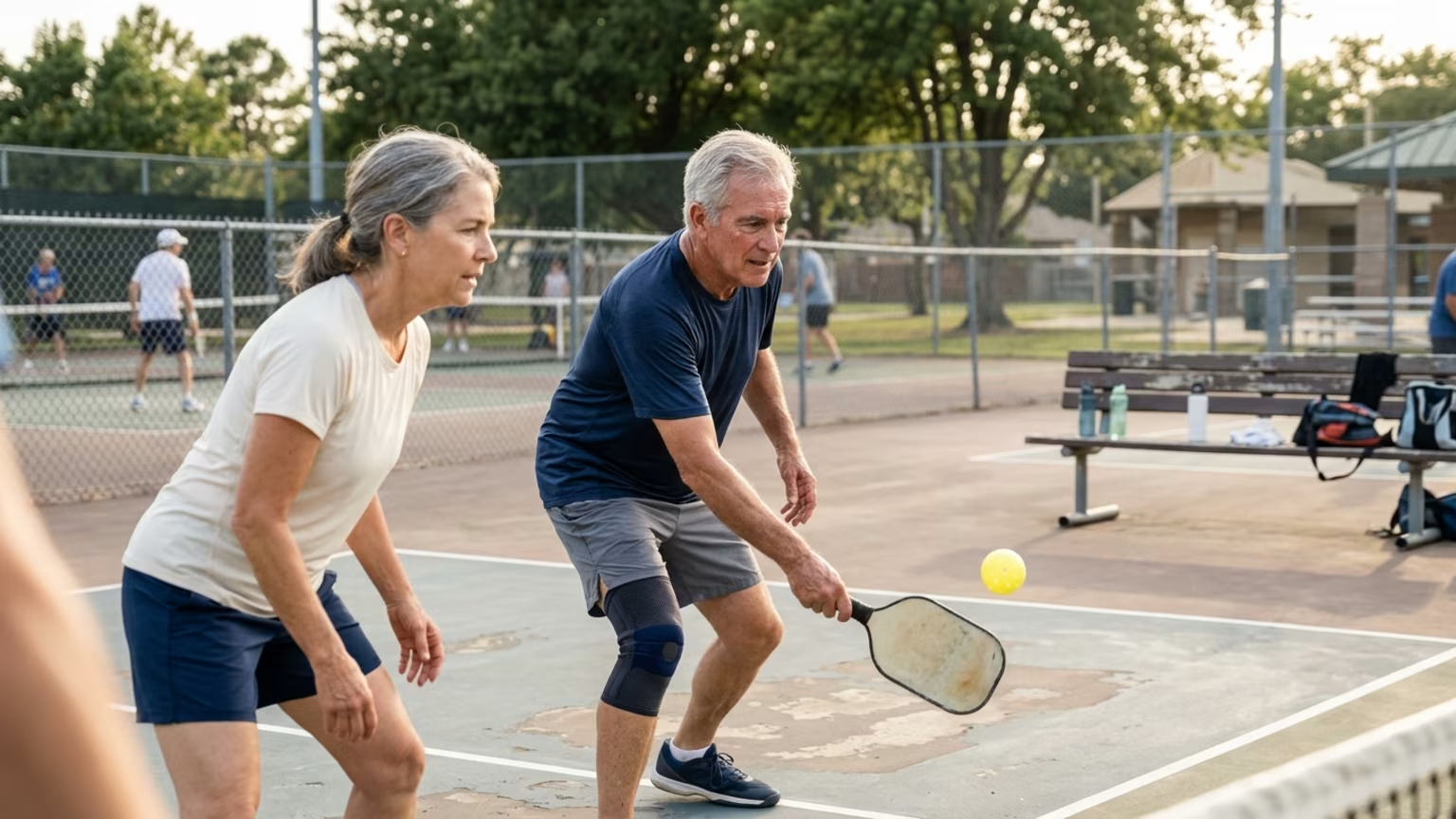

A new Nature Aging study reveals how exercise creates biological signals that protect joint health, offering practical insights for aging racquet sports players.




On September 29, 2026, researchers published a new study in Nature Aging investigating how exercise-related extracellular vesicles affect aged cartilage cells. According to MedicalXpress, the findings offer a possible biological explanation for how physical activity influences long-term joint health. This provides critical insights for active adults who want to maintain their mobility and keep enjoying their favorite sports. The research matters for players seeking to sustain their athletic longevity without relying on fitness hype or unproven supplements.
Many adult recreational players struggle with recurring aches and joint stiffness after heavy tournament weekends. There is often a persistent fear of losing the ability to play completely due to aging. Conflicting sports science advice frequently leaves players unsure of how to protect their joints while remaining competitive. This new biological insight cuts through the noise to show exactly how movement communicates with aging cells.
Understanding this internal connection helps players approach their training with renewed confidence. You do not have to accept joint degradation as an inevitable consequence of getting older.
The study is titled “Exercise enhances aged chondrocyte health through microRNA-29-enriched extracellular vesicles.” The news coverage identifies Hirotaka Iijima and colleagues as the study authors. They published their detailed findings under the DOI 10.1038/s43587-026-01225-9. This robust research connects human physical activity directly with complex cellular mechanisms.
In the human part of the study, older adults completed a structured aerobic exercise program. Researchers collected blood samples from the participants before and after three months of training. They reported significant changes in the molecular cargo of circulating extracellular vesicles after the exercise protocol. These tiny vesicles act like microscopic delivery trucks circulating in the bloodstream. They carry important biological messages from one part of the body to another.
When researchers tested these exercise-altered vesicles in laboratory experiments, the collected cargo improved measures of cell and cartilage-tissue health. The team identified microRNA-29 as a key mediator associated with those beneficial effects. Delivering microRNA-29 to aged osteoarthritic joints restored more youthful characteristics in cartilage cells. It also successfully reduced features that are typically associated with cellular degeneration.
While this mechanism is fascinating, we must separate early-stage laboratory science from everyday court reality. The reported evidence spans human blood sampling alongside isolated laboratory work with cartilage cells. The human participants did not demonstrate actual cartilage regeneration in this specific trial. The study simply validates that exercise creates positive, systemic biological signals within the bloodstream.
For the adult recreational player, this means you should not view a single tennis match as a magical cartilage treatment. The human portion of the study utilized a structured aerobic program rather than the unpredictable movements of racquet sports. Tennis requires extended baseline rallies with forceful lateral braking. Pickleball demands rapid forward lunges, and padel combines aggressive sprinting with explosive jumping.
Tennis players often deal with tremendous ground reaction forces when stopping quickly on hard courts. Pickleball players face unique repetitive strains from staying low in a defensive stance at the kitchen line. Padel athletes must absorb heavy impacts from continuous jumping and landing on artificial turf. Each of these distinct environments places a specific mechanical demand on aging joint cartilage.
Therefore, a generic aerobic program does not fully prepare the body for these unique stressors. Protecting your cartilage requires strengthening the supportive structures around the knees and hips. Focusing exclusively on court play can lead to overuse injuries and localized joint strain over time. Adult players must respect their bodies by preparing systematically off the court. Integrating structured movement routines to protect key joints helps manage this mechanical stress effectively.
Players facing joint stiffness do not have to abandon the sports they love. You can maintain your athletic longevity by managing your workload appropriately and completing targeted strength training. Following clear lower body strength work for racquet sports builds the necessary resilience for competitive play. Evercourts provides research-led guidance to help you build a physical foundation for lasting court performance.
The human intervention in this study lasted for exactly three months. This 90-day timeframe is a highly useful benchmark for players attempting to evaluate their own conditioning programs. True biological adaptation requires a consistent physical stimulus applied over a meaningful period. You cannot expect systemic changes in cellular health after just one or two weeks of scattered effort.
The three-month period utilized in the research mirrors the timeline typically used by professional strength coaches. When elite athletes rebuild their bodies in the off-season, they dedicate weeks to establishing foundational strength. Recreational players should adopt this same patient mindset when implementing new movement routines. Rushing the process often leads to the exact joint pain the player is trying to avoid.
Players adopting a new routine for healthy aging should commit to at least a three-month window. This sustained period allows the body to establish a new baseline for recovery and tissue adaptation. Building a sustainable racquet sport tournament calendar around this 90-day cycle can prevent accidental overtraining. Structuring your physical preparation with this realistic timeline helps protect your joints naturally.
It takes time for the body to reinforce the connective tissues around the knees and hips. Recognizing this biological reality prevents the frustration of expecting immediate results from a new workout plan. Patience and consistency remain the most reliable tools for supporting healthy aging on the court.
The identification of microRNA-29 opens the door for understanding how different mechanical stresses influence cartilage. Over the next year, sports medicine will likely continue investigating these specific biological mechanisms closely. Researchers may eventually begin testing highly specific sport modalities rather than general aerobic programs. We might eventually see data comparing the biological effects of steady-state exercise to the intense lateral sprinting required in padel.
We anticipate that future studies will look beyond generic aerobic exercise to evaluate high-intensity interval training. Until then, players should not wait for a pharmaceutical breakthrough or a magic injection. The current scientific consensus strongly supports the idea that active bodies handle the aging process better. Maintaining a healthy joint environment requires a proactive, consistent approach to physical preparation.
For now, the practical path forward remains grounded in consistent and balanced physical preparation. Racquet athletes should continue integrating foundational strength training alongside their weekly matches. The science confirms that structured movement generates positive biological signals throughout the entire body. By staying active and managing your physical load, you can keep enjoying racquet sports for years to come.
Follow Evercourts for practical insights on tennis, pickleball and padel performance, movement, recovery and healthy ageing. Stay connected for new articles, research-led guidance and ideas to help you play well and keep playing for years.


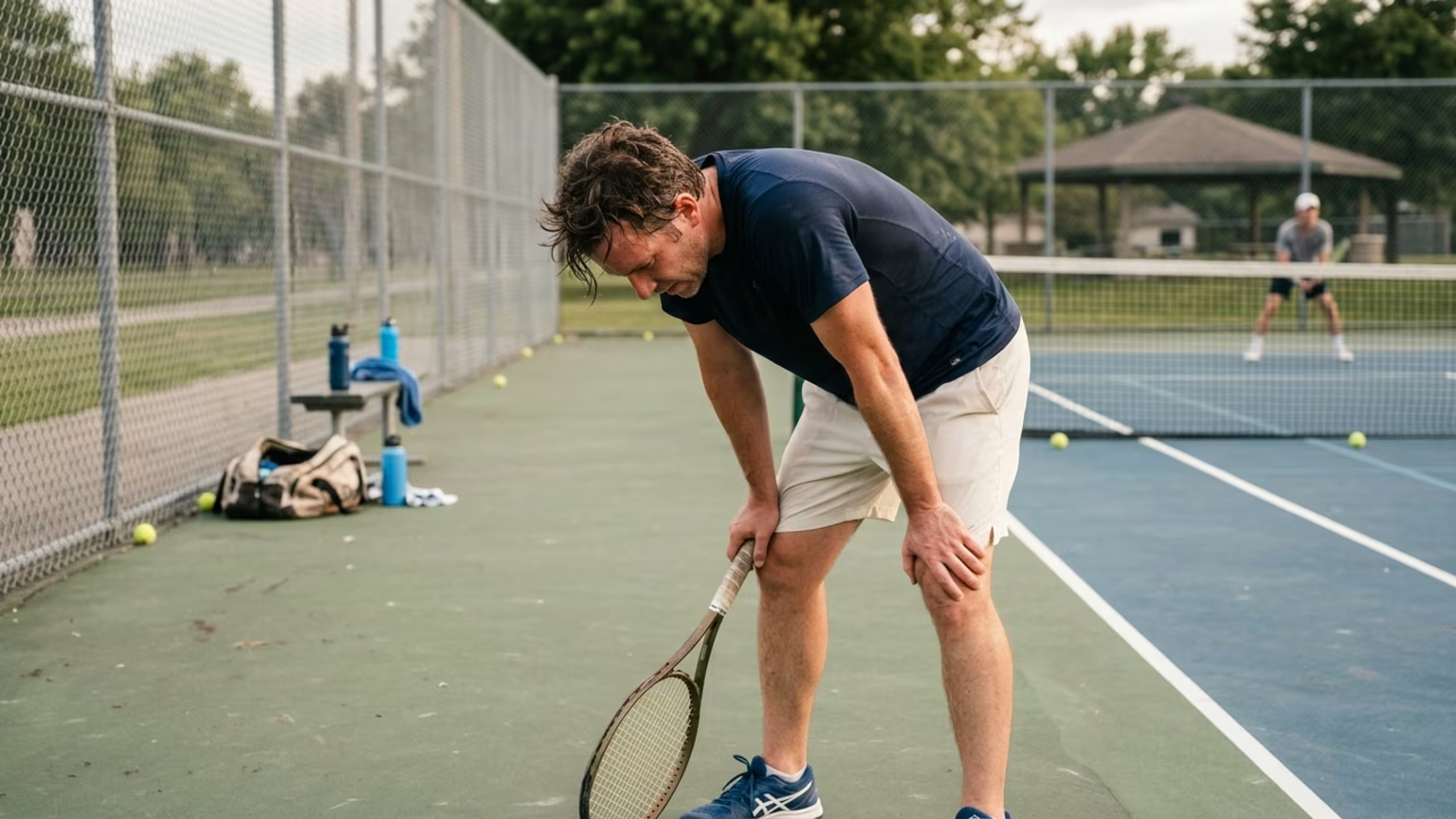
Understand why padel's stop-start movements require specific repeat-effort fitness. Learn how building leg strength and balance supports athletic longevity.
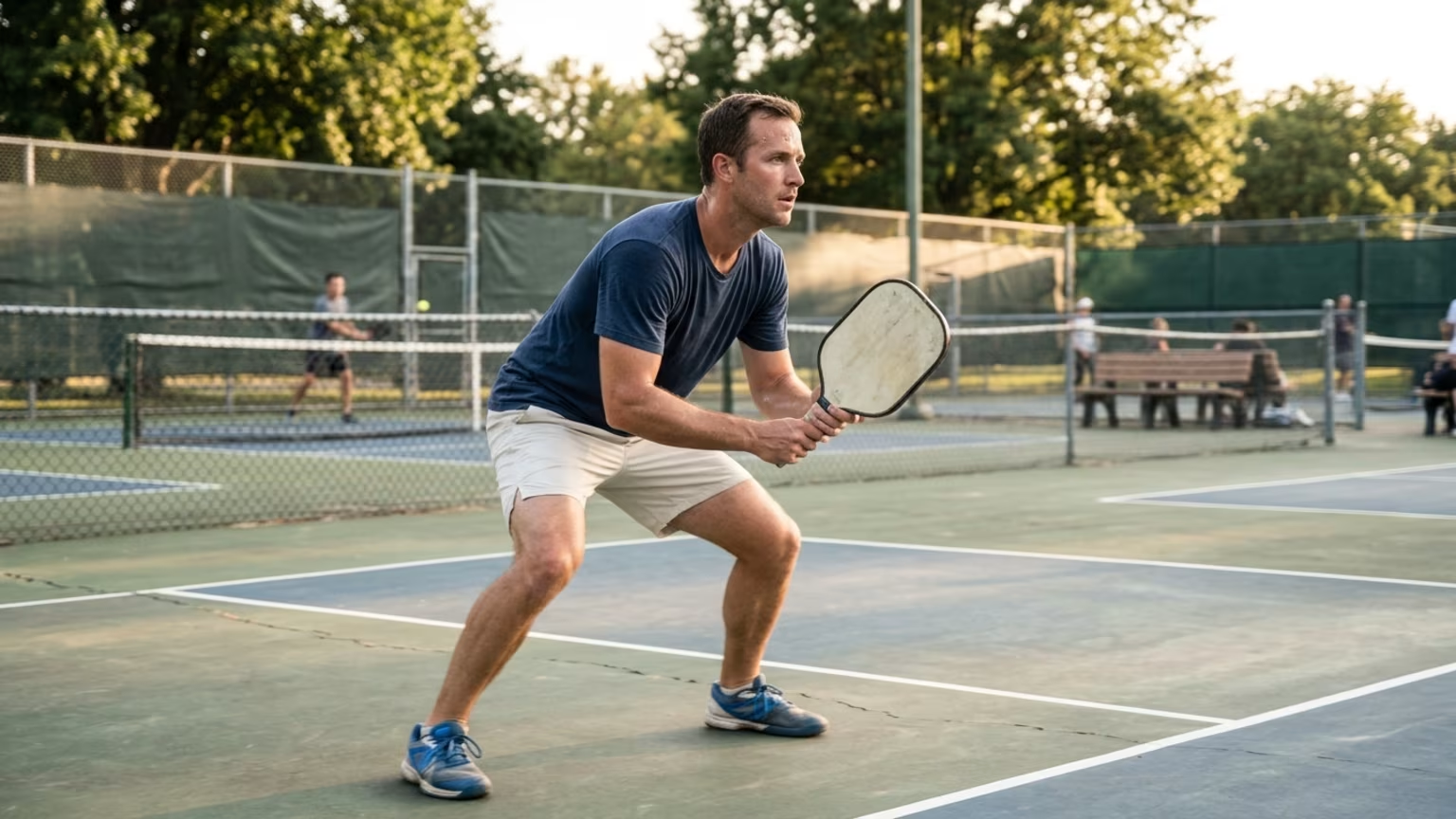
Adult tennis, pickleball, and padel players can improve court reactions through early preparation and anticipation, rather than relying on raw reflex speed.
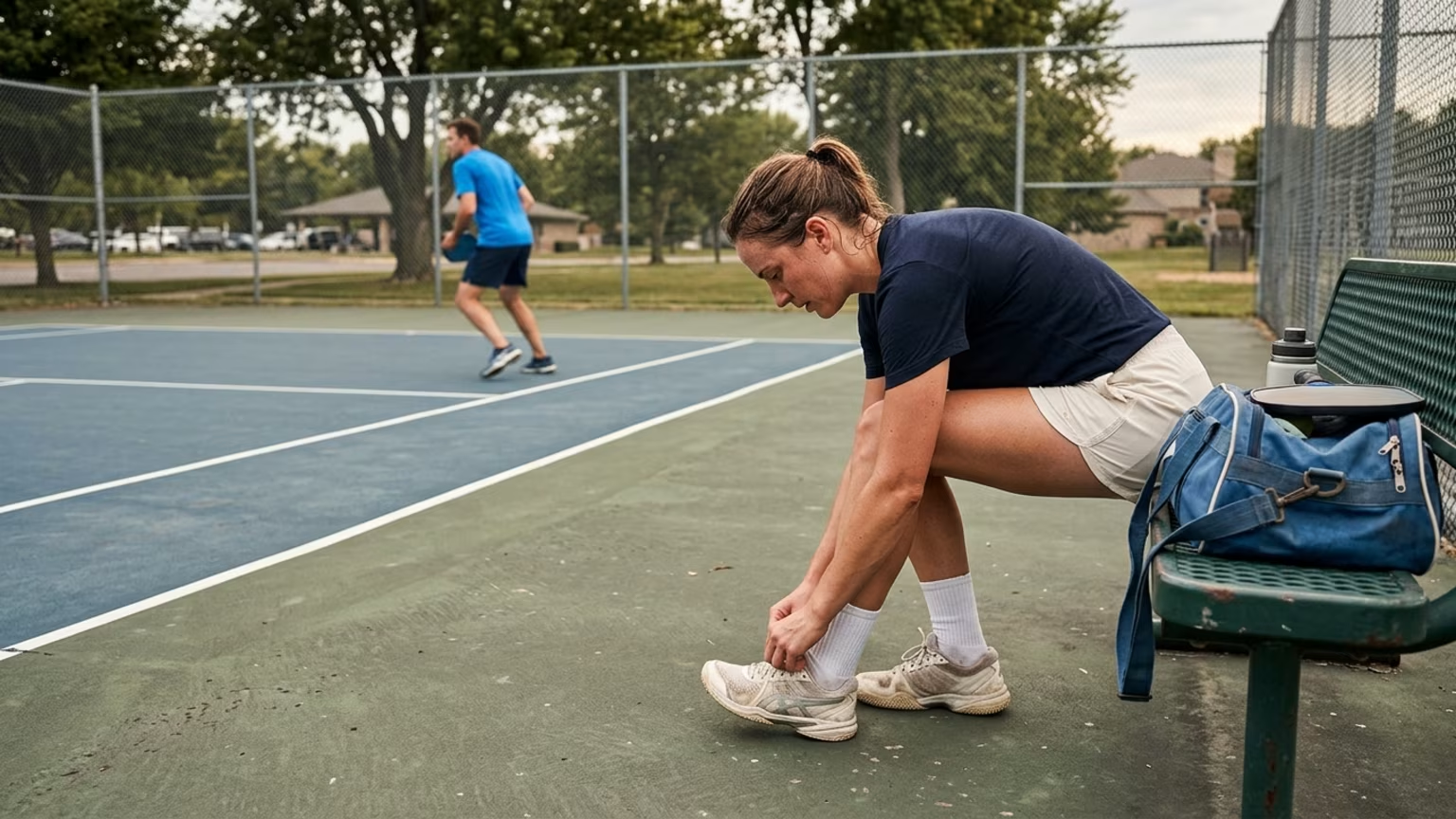
Learn how to choose racquet sports shoes based on your court surface and movement needs. Discover practical tests for fit, lateral support, and visible wear.
Read practical guidance for better movement, smarter preparation and a game that keeps working for you.
explore the Blog
