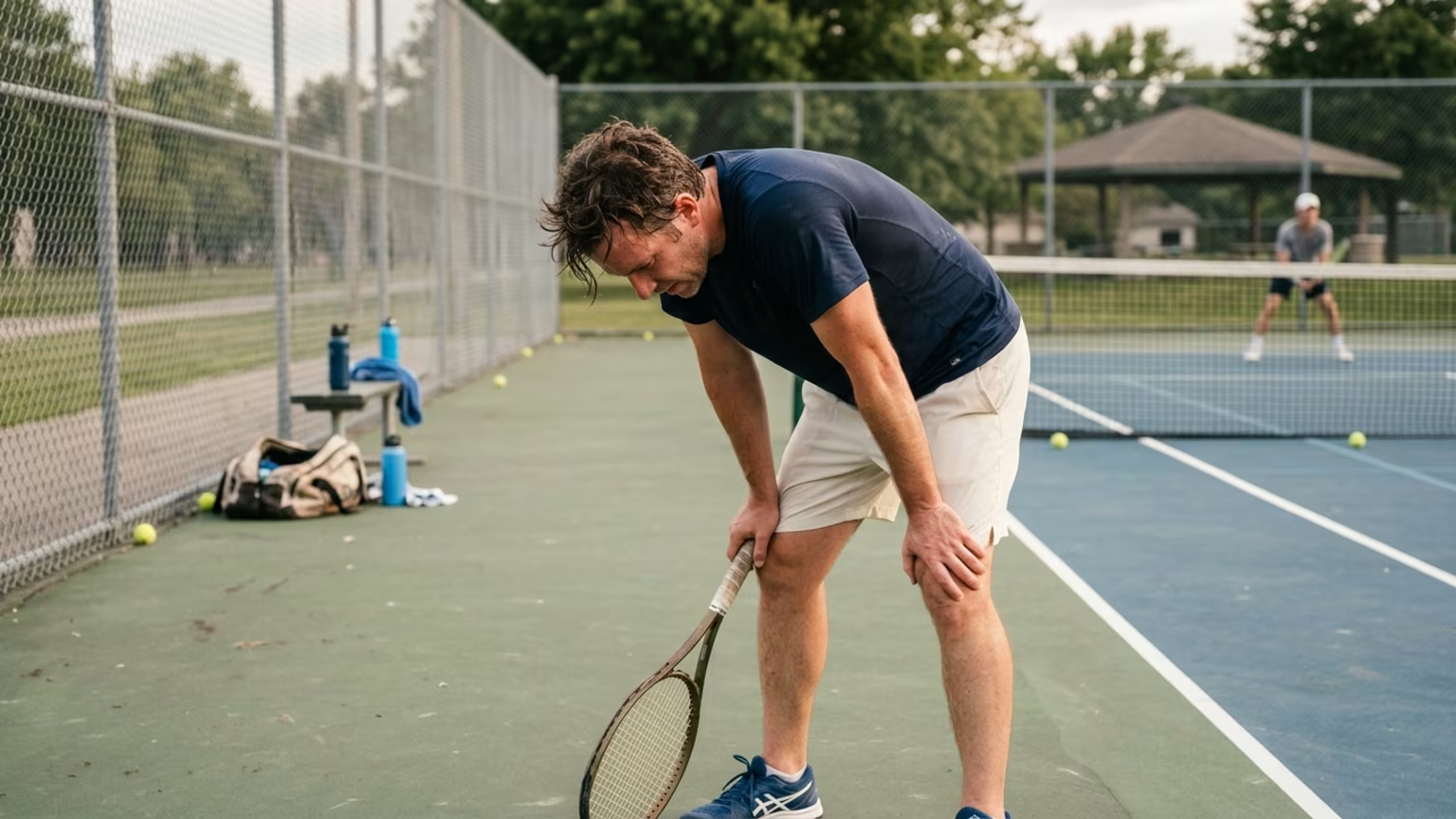

Understand why padel's stop-start movements require specific repeat-effort fitness. Learn how building leg strength and balance supports athletic longevity.




Repeat-effort fitness is the physical ability to execute brief bursts of intense movement, recover quickly and do it again. Padel relies heavily on this specific type of stamina for successful play. Players rarely run at a steady pace for long distances during a standard match. Instead, the sport demands constant short sprints, sudden stops and rapid changes of direction.
Mastering these transitions is what separates sluggish movement from sharp, efficient court positioning. Your body must be prepared to handle the physical cost of stopping and starting over the course of an hour or more. Without a foundation of functional strength, those repeated efforts slowly drain your energy and affect your shot quality.
Many adult players assume general cardiovascular health is enough to carry them through a competitive match. They often focus on jogging or cycling to build their stamina for the court. However, steady-state cardio does not train your muscles to handle sudden, explosive loads. You need muscles that can switch on instantly, perform the work and recover during the brief rest between points.
Tennis, pickleball and padel heavily tax the lower body because they force you to constantly overcome your own momentum. Every time you chase a drop shot or adjust for a lob, your legs must generate sudden power. Once you reach the ball, your muscles must absorb that force to brake safely. This constant cycle of acceleration and deceleration requires significant eccentric strength in your legs.
The stop-start nature of these sports places high demands on your joints and connective tissues. When you change direction, your ankles, knees and hips must stabilize your entire body weight instantly. If your lower-body strength is lacking, these repeated explosive efforts can quickly lead to fatigue or muscle strain. Understanding these mechanical demands is the first step toward building a more resilient body for regular play.
Each of these sports presents unique spatial challenges that amplify the need for repeat-effort fitness. Padel encloses the playing area with glass walls, keeping the ball in play longer and forcing continuous positional adjustments. Pickleball features a smaller court, demanding rapid-fire reactions and immediate weight shifts at the non-volley zone. Tennis covers the largest area, requiring longer sprints followed by heavy braking on hard surfaces. Despite their differences, all three disciplines punish players who lack the strength to stop and start effectively.
This is why repeat-sprint training for tennis, pickleball and padel is highly relevant for adult players. Traditional endurance routines simply do not replicate the harsh braking forces experienced on the court. You need the capacity to fire your muscles quickly, hit the ball and immediately reset your position. Proper conditioning prepares your legs for these specific, demanding tasks.
Researchers are increasingly studying the exact physical requirements of padel to understand how it impacts the body. The University of Murcia research portal lists a 2022 systematic review by Mellado-Arbelo and Baiget on padel match activity and physiological demand. This review, published in Kinesiology, highlights the growing academic interest in evaluating how players actually move. Similarly, the University of Granada lists a 2022 narrative review examining padel, physical fitness and health promotion.
While general fitness benefits are clear, specific match data provides a sharper picture of actual court movement. A secondary sports-science overview reports roughly 1,100 acceleration and deceleration events in a professional match, but the figures should not be assumed to represent recreational players. This incredible volume includes about 587 accelerations and 522 decelerations. The constant shifting from forward sprints to lateral shuffles defines the physiological burden of the game.
Interestingly, the overview notes that roughly 80% of these accelerations happen over just 1 to 2 metres. This statistic clearly demonstrates that padel is a game of micro-movements rather than long-distance running. The cardiovascular demands are equally specific to the sport's unique stop-start rhythm. The same source reports an average match heart rate of 70-80% of maximum heart rate.
Furthermore, playing time accounts for about 30-35% of total match time. The majority of a match is spent recovering between points, retrieving balls or changing ends. While these specific figures represent professional play, they perfectly illustrate the highly intermittent nature of the sport. Recognizing this reality helps you structure your off-court conditioning to match the actual demands of the sport.
Building targeted strength and balance directly supports athletic longevity on the court. Relying solely on match play is rarely enough to maintain the capacity for sudden stops as we age. A summary of WHO guidance says older adults should include multicomponent activity emphasizing balance and strength on three or more days a week. This work is essential to maintain the physical capabilities required for racquet sports.
The National Council on Aging describes options such as resistance bands, hand weights, balance exercises and chair rises, and advises checking with a health-care provider before starting new exercises. Integrating these tools helps build the resilience needed to handle repetitive stresses. You do not need a complex gym setup to see meaningful improvements in your court movement. Simple, consistent resistance work provides a powerful foundation for older adults wanting to stay active.
For court-specific preparation, Padelmesh suggests a routine combining trunk exercises, single-leg balance reaches and light stretching. Their suggested session sequence includes a proper warm-up followed by Pallof presses and rotational medicine-ball throws. These core movements help transfer power safely from the ground through your upper body. The routine also incorporates front and side planks to build essential core stability for twisting and reaching.
Incorporating balance training for racquet sports is a highly practical way to protect your joints during rapid transitions. Single-leg exercises teach your body to stabilize itself, mimicking the exact positions you encounter during a match. When your muscles and joints are prepared for these specific angles, you move with greater confidence. Learning how to balance strength training and court time ensures you can complete these exercises without compromising your recovery.
As noted by the National Council on Aging, checking with a health-care provider before starting new exercises is a critical first step. It is especially important to consult a professional if you experience persistent joint pain during sudden stops. A qualified physiotherapist can assess your movement mechanics and identify specific muscular weaknesses. They can safely progress your strength program without risking unnecessary strain.
You should also seek expert advice if you struggle to recover basic mobility between your playing sessions. Severe stiffness that fails to improve after a light warm-up is a clear sign to get an assessment. Professionals can distinguish between normal muscular fatigue and early warning signs of an impending overuse injury. They provide targeted strategies to restore your physical capacity, ensuring your off-court preparation matches your current fitness level.
Taking a proactive approach to your physical health is the best way to maintain your court time. Working with a clinician removes the guesswork from your training and provides a clear path forward. When you respect your body's limits and seek appropriate guidance, you build a sustainable routine. Ultimately, this support ensures you can keep returning to the court ready for those brief bursts of intense movement, recovering quickly and doing it all over again.
Follow Evercourts for practical insights on tennis, pickleball and padel performance, movement, recovery and healthy ageing. Stay connected for new articles, research-led guidance and ideas to help you play well and keep playing for years.


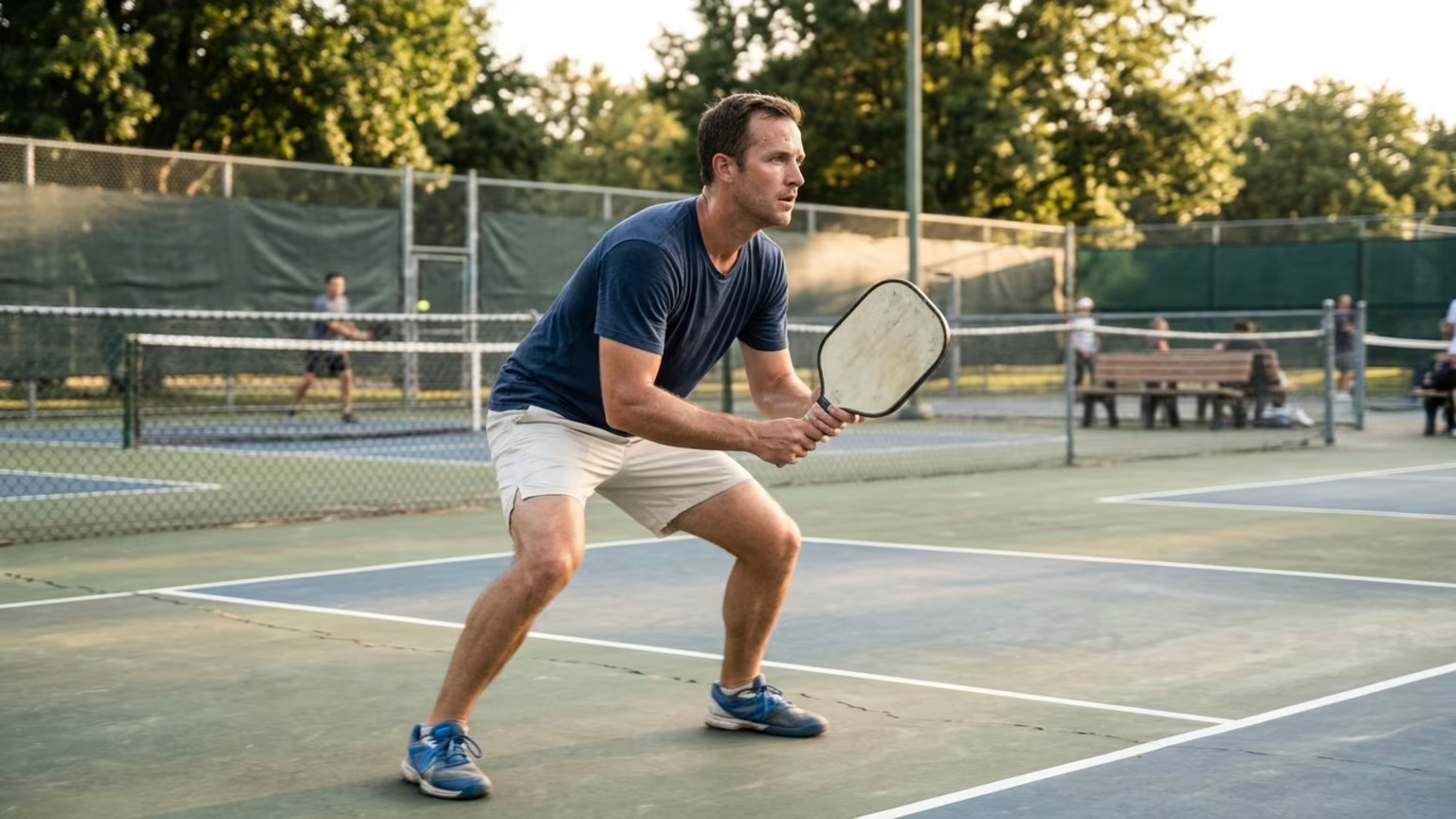
Adult tennis, pickleball, and padel players can improve court reactions through early preparation and anticipation, rather than relying on raw reflex speed.
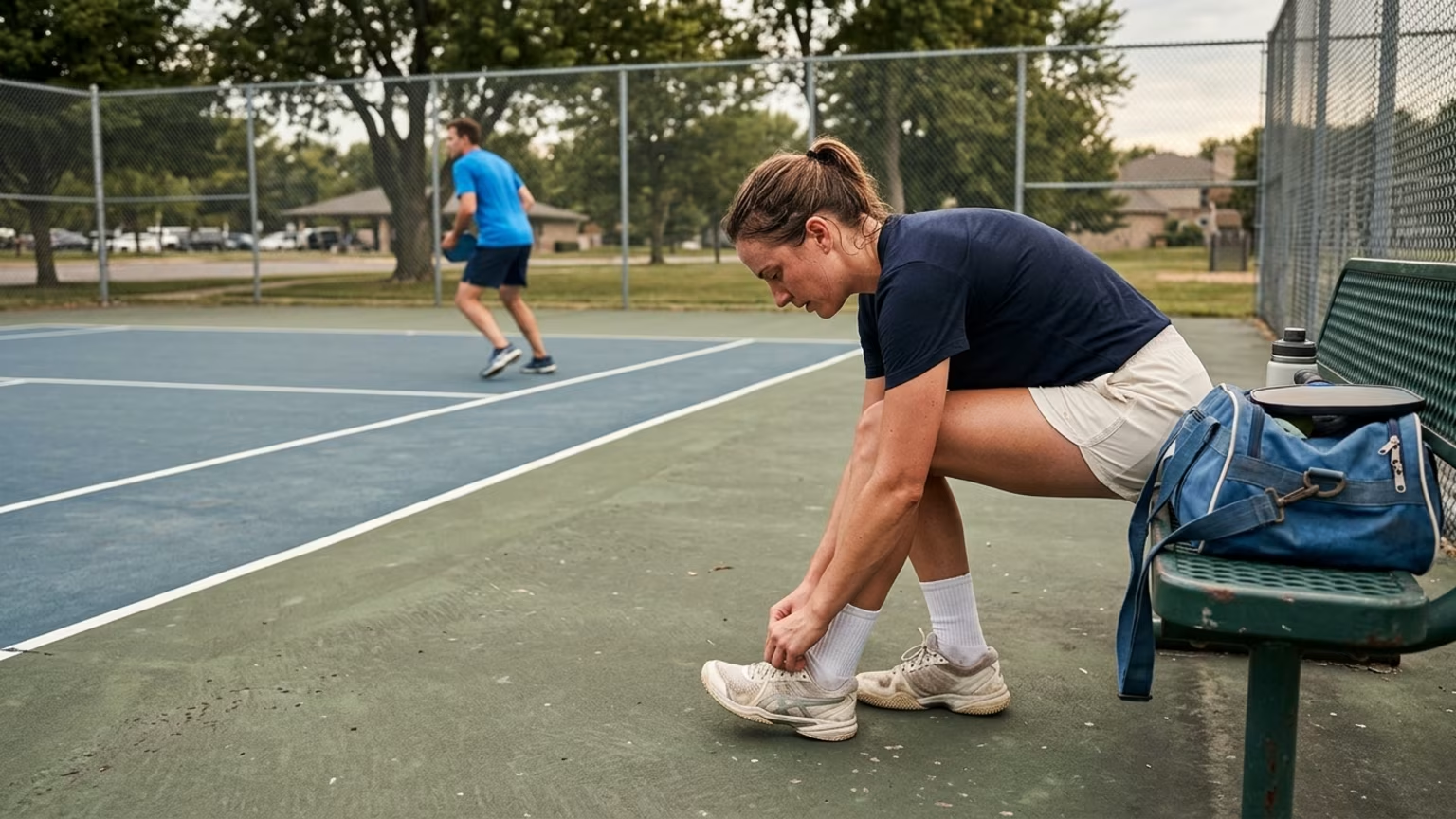
Learn how to choose racquet sports shoes based on your court surface and movement needs. Discover practical tests for fit, lateral support, and visible wear.
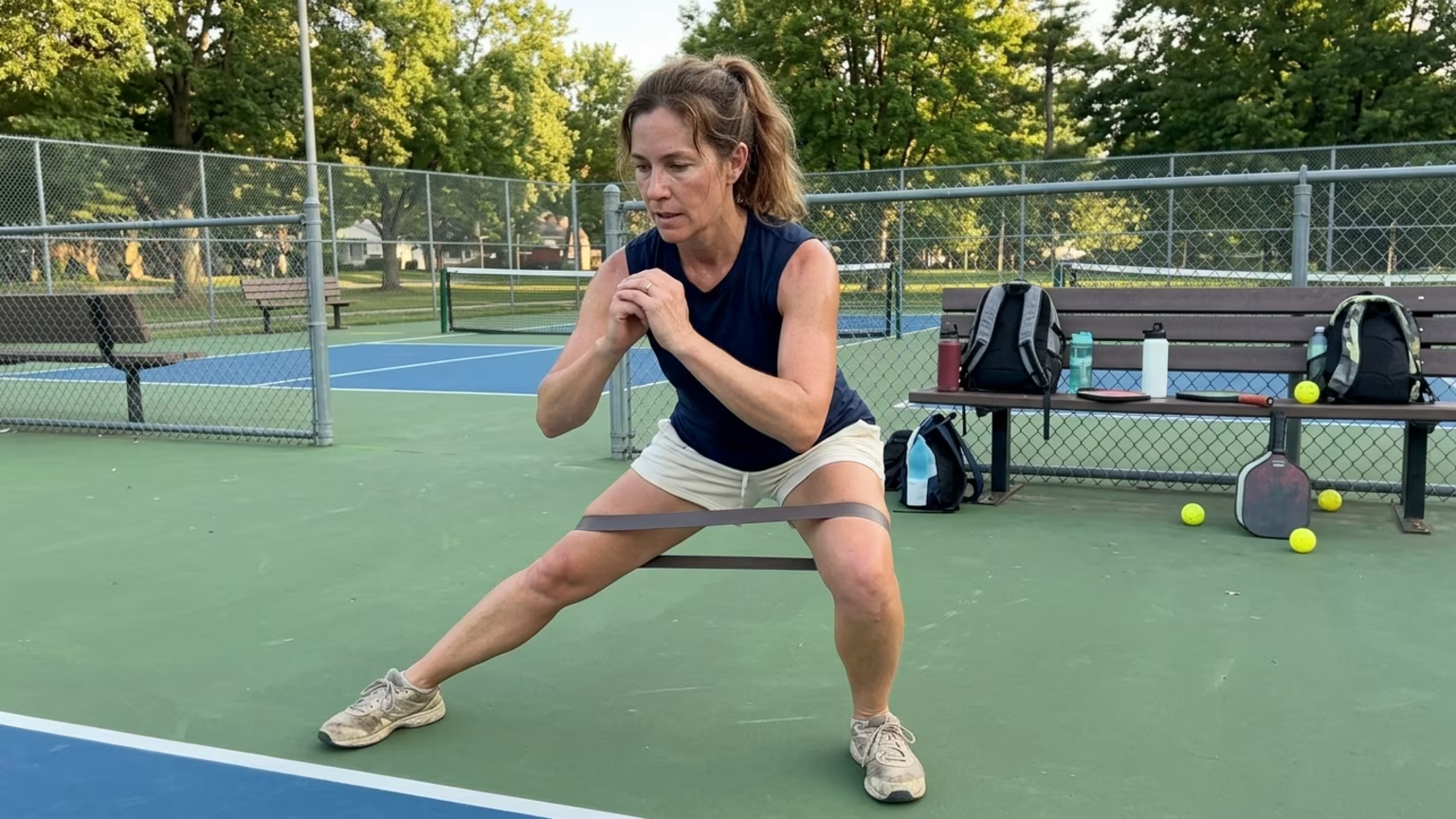
Learn how targeted lower-body strength and balance exercises can support your movement in pickleball and promote athletic longevity on the court.
Read practical guidance for better movement, smarter preparation and a game that keeps working for you.
explore the Blog
