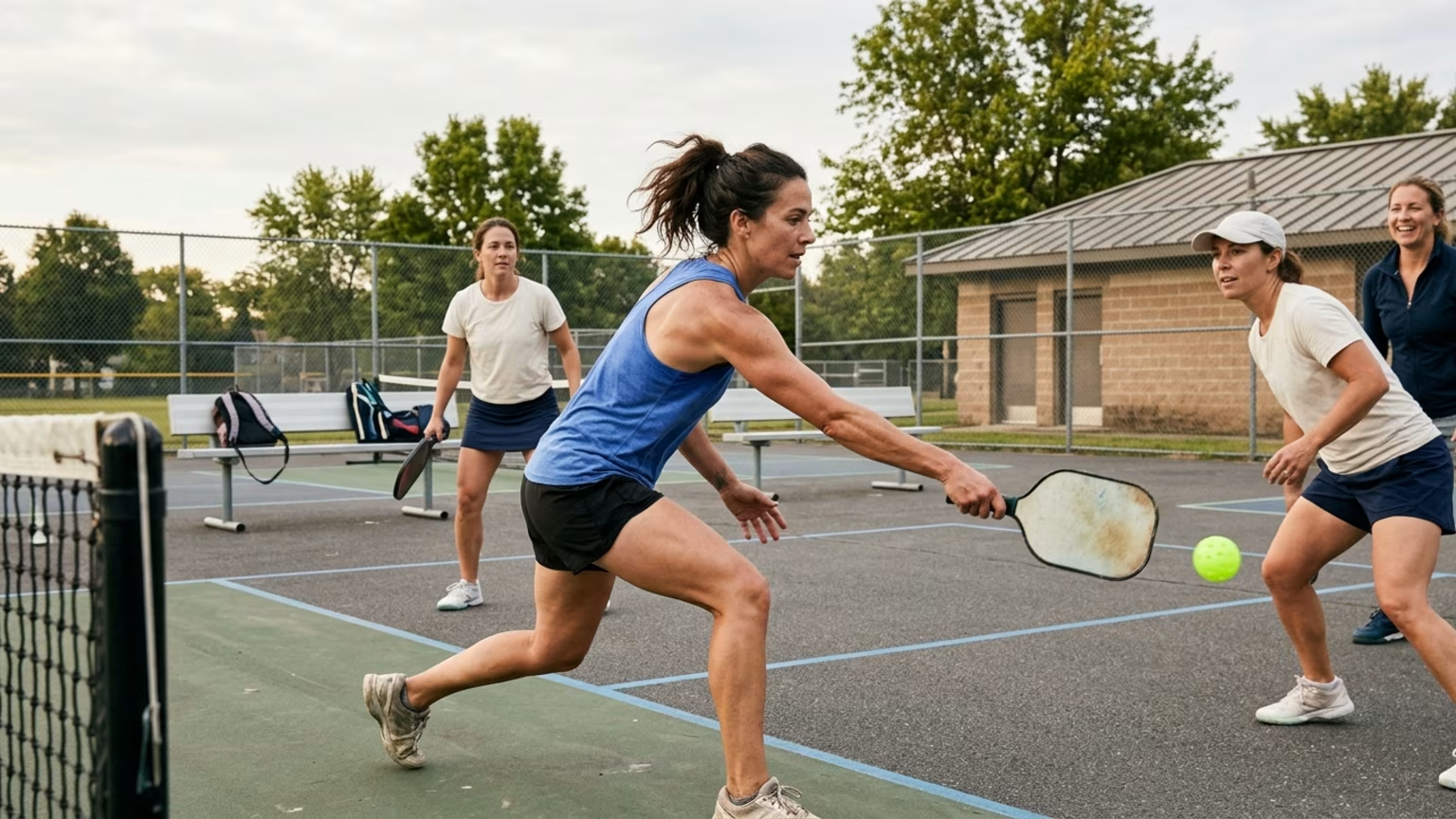

A new report highlights how basic lower-limb strength and regular sleep habits support long-term mobility. Learn how to apply these findings to your court routine.




On October 3, 2026, the TIMES Report published an article outlining how lifestyle choices made in a person's 30s can shape their future health and mobility. The publication, which identifies the BBC as its primary source, focuses heavily on physical capability and cognitive health. It emphasizes that building specific habits early can help adults maintain their independence later in life. The report highlights aerobic capacity, flexibility, and muscle strength as key physical pillars that adults should prioritize.
The central message of the TIMES Report article revolves around establishing sustainable daily routines. João Passos, a professor of physiology at Mayo Clinic’s Kogod Center on Ageing, notes that the 30s serve as a useful period to build habits that may create long-term resilience. This timeline aligns with findings from major observational projects like the Framingham Heart Study and the Nurses’ Health Study. The TIMES Report cites these long-running US population studies to support the association between healthier midlife habits and reduced risks of later-life cardiovascular disease, cognitive decline, and frailty.
Several specialists provide targeted advice within the report. Paul Morgan is a senior lecturer in nutrition and metabolism at Manchester Metropolitan University. He recommends that adults actively build their aerobic capacity, flexibility, and muscle strength. Morgan places special emphasis on strengthening lower-limb locomotion muscles to prevent trips and falls.
Rest and recovery receive equal attention in the publication. Eric Verdin is the president and chief executive of the Buck Institute for Research on Ageing. He emphasizes the absolute importance of keeping sleep and wake times regular. The report positions the 30s as a critical decade, but the underlying message applies to adults at any stage of their playing career.
By pointing to the Framingham Heart Study and the Nurses’ Health Study, the publication underscores that daily choices compound over decades. The report frames these lifestyle adjustments as long-term investments rather than guaranteed medical cures.
Adult recreational players often look for complex routines to maintain their performance. However, these new findings highlight a much simpler and more accessible approach. Professional athletes have dedicated teams to manage their strength and sleep schedules. Meanwhile, weekend league players must fit these basic habits into busy professional and family lives. The good news is that recreational players do not need elite training regimens to see tangible benefits.
Professional tennis and padel players rely on comprehensive strength and conditioning to manage their lower-limb power and sleep cycles. For the adult recreational player, trying to mimic professional regimens is often impractical and unnecessary. The TIMES Report findings suggest that basic, consistent habits offer significant value for long-term athletic longevity. You do not need to train like a tour professional to protect your ability to play weekend matches.
Morgan’s specific focus on lower-limb locomotion muscles is highly relevant to racquet sports. Every court sport requires rapid acceleration, sudden stops, and lateral changes of direction. Recreational players often experience recurring aches because they lack the basic leg strength to absorb these forces safely. Building foundational lower-limb strength helps prevent general trips and falls on the court.
When adult players lose confidence in their legs, they often stop moving to the ball efficiently. This hesitation can lead to poor positioning and compensatory swings that place excessive stress on the upper body. Maintaining strong legs is a practical requirement for supporting your long-term court health. Consistent resistance training off the court makes the physical demands of competition much easier to handle.
Many recreational athletes fall into the trap of overplaying without dedicating time to basic physical maintenance. When the TIMES Report emphasizes flexibility and muscle strength, it highlights the exact areas where weekend players often fall short. Professional tours have built-in periods for physical conditioning, while adult leagues often run continuously. Building a routine that prioritizes leg strength and regular sleep helps recreational players withstand the repetitive stresses of continuous play.
The TIMES Report also notes that previous studies have associated playing tennis and badminton with longer lifespans. However, the publication does not provide study names, sample sizes, or specific evidence regarding newer sports like pickleball or padel. Adult players should view racquet sports as excellent tools for maintaining aerobic capacity, but they are not standalone medical treatments.
Playing three intense matches a week might provide great cardiovascular exercise. However, a high volume of matches can also mask a lack of adequate rest or flexibility. Players should balance their court time with the other habits mentioned in the report, such as regular sleep schedules and dedicated strength work. Managing your overall match volume is a crucial part of structuring a sustainable playing schedule. Recognizing when to rest is just as important as knowing when to train.
While the report focuses heavily on general lifestyle associations, it does provide a few specific timeframes for daily physical activity. University of Pittsburgh assistant professor Aditi Gurkar notes that a brisk 15-minute walk after a meal may offer meaningful health benefits. The article does not specify the underlying research behind this claim, nor does it quantify the exact health improvements. It simply presents the 15-minute walk as an achievable daily habit for busy adults looking to improve their aerobic capacity.
These short walks can easily be integrated into a busy schedule. Many players find that a brief walk before or after a match helps clear their mind and maintain baseline fitness. The goal is consistent, manageable movement rather than exhausting daily workouts.
The publication also suggests that brief periods of higher-intensity movement can be highly beneficial. It reports that as little as five minutes of moderate-to-vigorous activity each day may help slow brain ageing. The report does not name the specific study, identify the participants, or explain how brain ageing was measured by the researchers. These figures are presented as accessible starting points rather than rigid daily quotas for adults to track.
For racquet sports players, these numbers provide a helpful perspective on workout minimums. You do not always need a two-hour training block to maintain your health or support your athletic longevity. Integrating a brisk walk or a short session of dynamic court preparation can be enough to support your long-term goals. These accessible activity windows help adults build the physical resilience that specialists recommend.
Over the next season, expect the conversation around adult player health to shift further away from complex fitness trends and closer to these fundamental habits. As more research highlights the value of basic strength, regular sleep, and consistent movement, recreational players will likely focus less on specialized equipment and more on daily routines. The emphasis will remain on practical, sustainable steps that keep players moving well. By prioritizing lower-limb strength and regular rest, adult athletes can continue enjoying their matches and preserve their physical capabilities for years to come.
Follow Evercourts for practical insights on tennis, pickleball and padel performance, movement, recovery and healthy ageing. Stay connected for new articles, research-led guidance and ideas to help you play well and keep playing for years.


An evidence check on sports supplements like tart cherry juice. Learn why racquet sports players should prioritize core nutrition over functional foods.
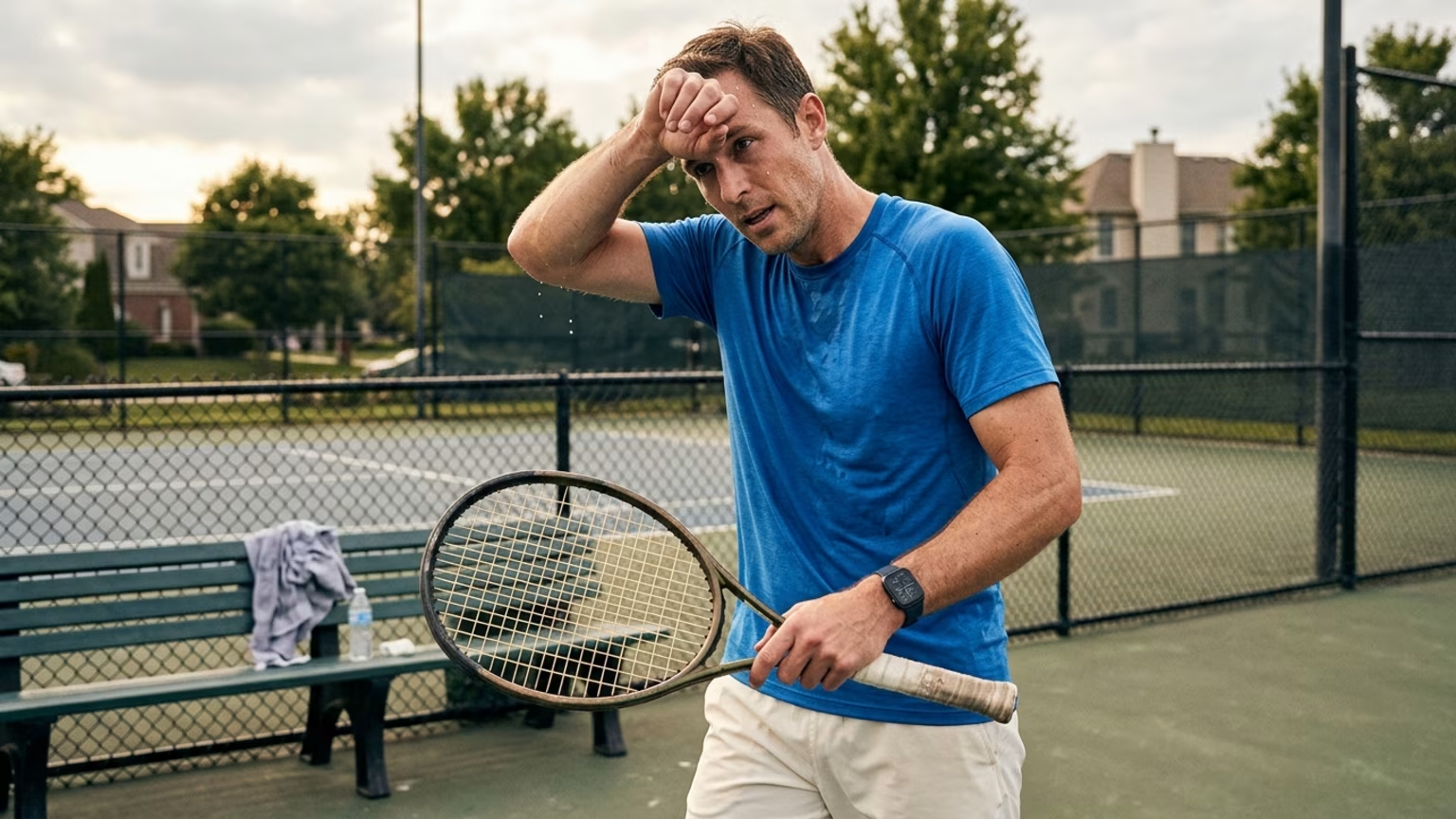
In late 2026, Oura analyzed wearable data to see how recreational tennis impacts heart health and recovery. Learn what this means for your athletic longevity.
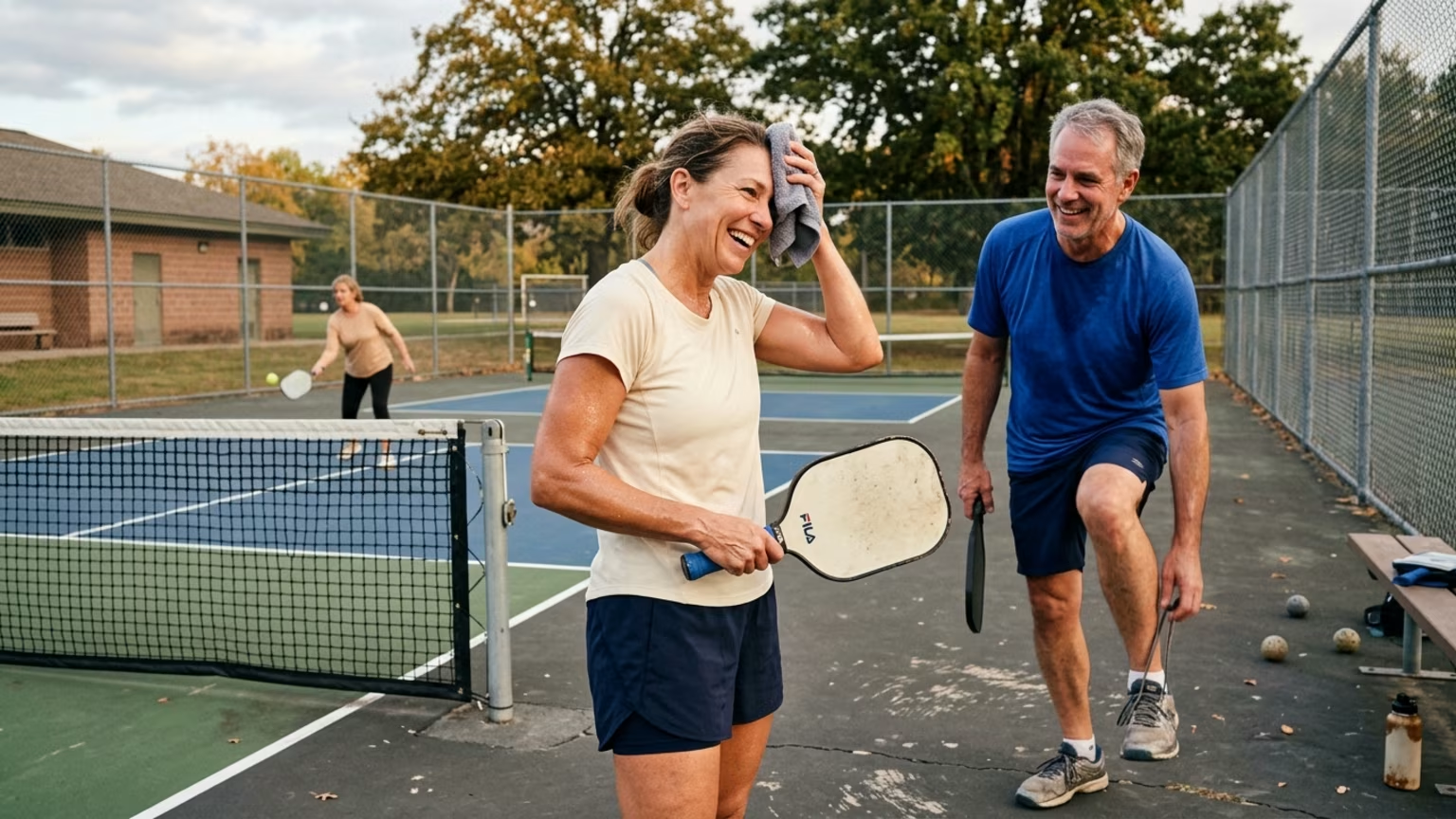
Recent guidelines emphasize gradual progression, dynamic warm-ups, and scheduled recovery to help adult racquet sports players maintain athletic longevity.
Read practical guidance for better movement, smarter preparation and a game that keeps working for you.
explore the Blog
