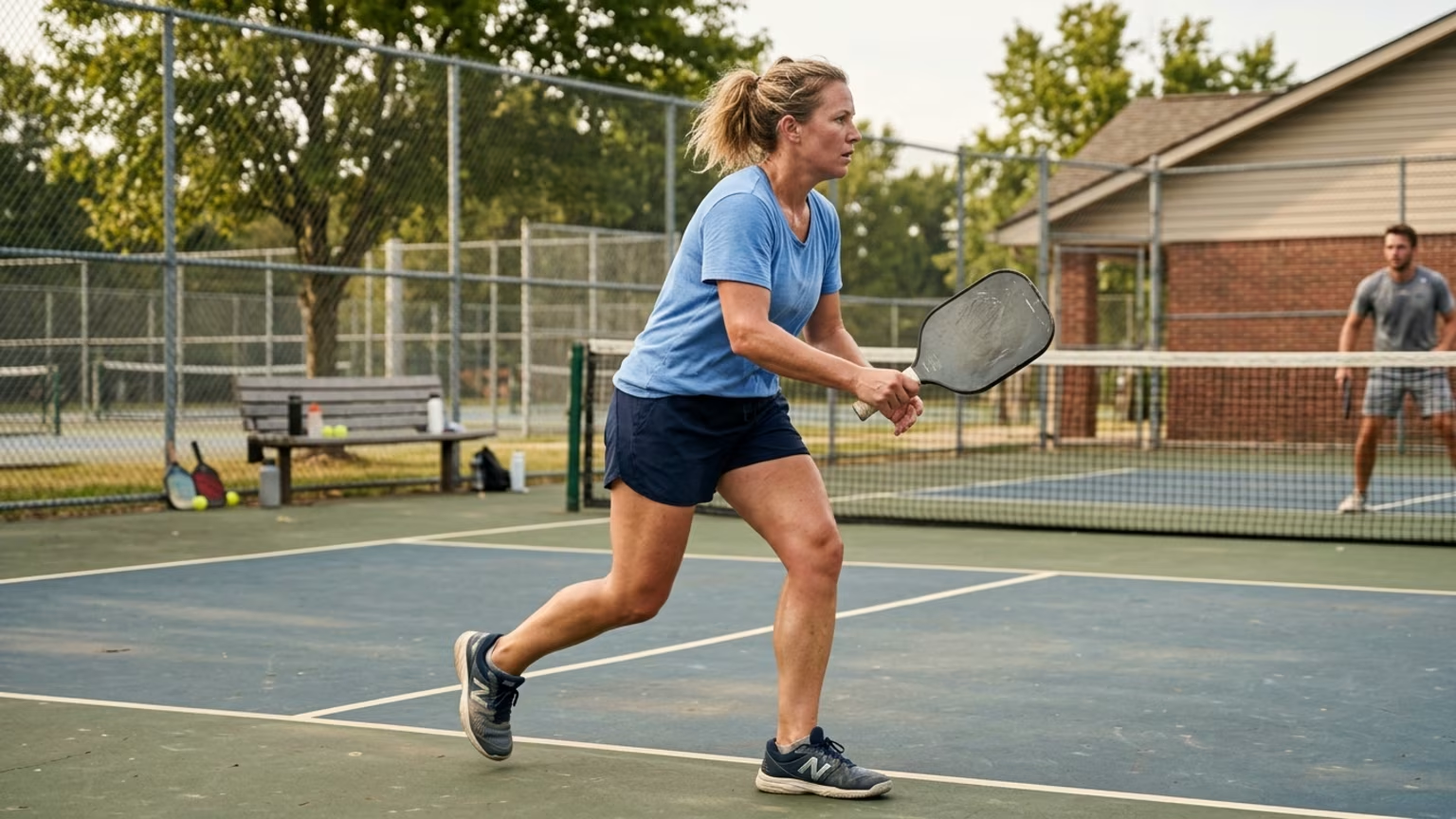

HeelBase opened pre-orders for the DRIVE pickleball insole. Explore the product specifications and learn how recreational players evaluate new court footwear.




In late September 2026, HeelBase opened pre-orders for DRIVE. DRIVE is a 3D-printed insole designed specifically for pickleball. The company introduced this new product to address the rigid stops and lateral movements required on the court. This announcement adds a new equipment option for players managing the physical demands of the sport. Equipment launches like this highlight the increasing focus on specialized racquet sports gear.
The DRIVE insole is constructed as a pre-sized polyurethane lattice. It comes in a single piece rather than a multi-layered foam construction. The introductory pre-order price is set at US$59 per pair. The regular retail price will be US$99 once the promotional period ends. Buyers can also choose a two-pair bundle for US$100.
Shipping is currently limited to the continental United States. HeelBase includes a 30-day money-back guarantee subject to their specific returns policy.
The design features specific measurements aimed at foot support during active play. These specifications include an 11.3 mm heel cup and a 16 mm arch cradle. The lateral flange measures 4.3 mm and the forefoot is 4 mm thick. Each insole weighs exactly 54.9 g.
Players should note that the insoles come in nine standard sizes. They cannot be trimmed to fit a different shoe shape. This means exact sizing is critical before placing an order. Checking compatibility with your current footwear is essential.
HeelBase co-founder Dean Pike described the development process behind the product. He stated the company focused on what an insole needs to do when a player stops hard. Pike emphasized the importance of supporting a foot that changes direction and stays on court for another game.
The manufacturer collected feedback from 144 testers across its three insole models. This testing process spanned more than 3,000 hours of company feedback activity. HeelBase presents these feedback figures as real-world product testing. However, the company has not provided independent performance evidence or clinical validation for DRIVE.
There is no external proof that the insole prevents injury or improves medical outcomes. Players must treat these product descriptions as company claims rather than proven medical facts. A geometry described as supporting the heel should not be presented as proven to improve stability without independent test results.
Translating this news for the adult recreational player requires practical perspective. Professional athletes often rely on custom orthotics built for their specific foot mechanics. They work with medical teams to manage the physical load of competitive seasons. Recreational players typically do not have access to these clinical resources.
Everyday players often rely on off-the-shelf options to manage foot comfort during weekend leagues. The physical demands of the sport remain high for all skill levels. Managing these forces requires a grounded approach to equipment evaluation. Relying solely on new gear to fix physical discomfort is a mistake.
When I first started playing pickleball, I noticed how many people skipped warming up entirely. They would jump straight out of their cars and right up to the kitchen line. I tried doing that and immediately pulled a calf muscle. Pickleball requires just as much explosive lateral movement as tennis.
This movement just happens in a tighter space. Since then, I always spend five minutes doing dynamic lunges and ankle rolls. It changes everything about how confident I feel pushing off the baseline. Proper footwear components can support these explosive movements.
However, a new insole is never a substitute for a structured court warm-up routine. If you experience persistent foot pain, you should consult a medical professional immediately. Do not substitute consumer gear for diagnosed medical treatment. If you are simply looking for more structural support, you can evaluate the DRIVE insole cautiously.
Focus on how the insole feels during hard lateral steps. Evaluating new equipment is a standard part of reviewing recent pickleball gear trends for better comfort. Always check your sizing compatibility before ordering a non-trimmable product like DRIVE. You must ensure your current court shoes have removable insoles to accommodate the 4 mm forefoot thickness.
Note your personal fit and comfort during play without assuming any perceived change guarantees long-term benefits. Developing your fundamental court movement skills remains the most reliable way to protect your lower body.
Many adult players experience confusion over mixed sports science advice regarding footwear. Some sources suggest minimalist shoes for better court feel. Others promote maximum cushioning to reduce joint impact. The reality for adult recreational players often sits somewhere in the middle.
Players must balance the need for impact protection with the necessity of stable lateral support. An aftermarket insole provides one way to adjust this balance without buying completely new shoes. However, players must recognize that adding structural components changes how the shoe performs. A stiffer arch or deeper heel cup alters the natural flex of your court shoes.
This modification requires a careful transition period to avoid new foot stress. You should never install a new insole and immediately play a three-hour tournament.
The demand for sport-specific equipment is growing rapidly. This trend aligns closely with the overall expansion of the sport across the country. Hoodline reported that 24.3 million Americans played pickleball in 2025. This reporting cited data from the Sports and Fitness Industry Association.
The same report noted that participation was up 171.8% from 2022 to 2025. This massive influx of players naturally attracts new manufacturers. Equipment brands see millions of potential customers looking for ways to stay active and comfortable. As participation numbers rise, the market for specialized court accessories will continue to expand.
Companies will likely release more products targeting the specific physical demands of the sport. The rapid growth indicates a strong appetite for gear that addresses court movement.
The influx of new participants creates unique challenges for equipment manufacturers. Brands must design products that appeal to a massive range of athletic backgrounds. Some new players have decades of tennis experience. Others are stepping onto a court for the first time in their adult lives.
This diversity in athletic experience means no single product will work for everyone. A collegiate tennis player transitioning to pickleball has very different footwear needs than a recreational beginner. The 24.3 million participants represent a fragmented market with widely varying physical capabilities. Companies will need to clearly communicate who their specific products are designed to help.
Managing the physical toll of frequent play is crucial for athletic longevity. The sheer volume of new participants means many adults are learning how to manage new physical demands on the fly. Equipment choices should complement your technical mechanics rather than compensate for poor movement. As the equipment market expands, players must separate marketing claims from practical utility.
Looking ahead, the equipment market will likely become more specialized over the next season. We expect to see additional brands releasing sport-specific internal footwear components. Manufacturers will continue targeting the distinct movement patterns of racquet sports. Players will have more off-the-shelf options to customize their court shoes.
The success of products like the DRIVE insole will depend on genuine player feedback. Independent performance reviews will eventually separate effective designs from standard athletic inserts. Players should continue prioritizing personal comfort and proper fit over promotional promises. Staying informed about new equipment options helps you make better choices for your athletic longevity. Focus on consistent recovery practices and verified equipment to keep enjoying the sport for years to come.
Follow Evercourts for practical insights on tennis, pickleball and padel performance, movement, recovery and healthy ageing. Stay connected for new articles, research-led guidance and ideas to help you play well and keep playing for years.


An evidence check on sports supplements like tart cherry juice. Learn why racquet sports players should prioritize core nutrition over functional foods.
In late 2026, Oura analyzed wearable data to see how recreational tennis impacts heart health and recovery. Learn what this means for your athletic longevity.
Recent guidelines emphasize gradual progression, dynamic warm-ups, and scheduled recovery to help adult racquet sports players maintain athletic longevity.
Read practical guidance for better movement, smarter preparation and a game that keeps working for you.
explore the Blog
