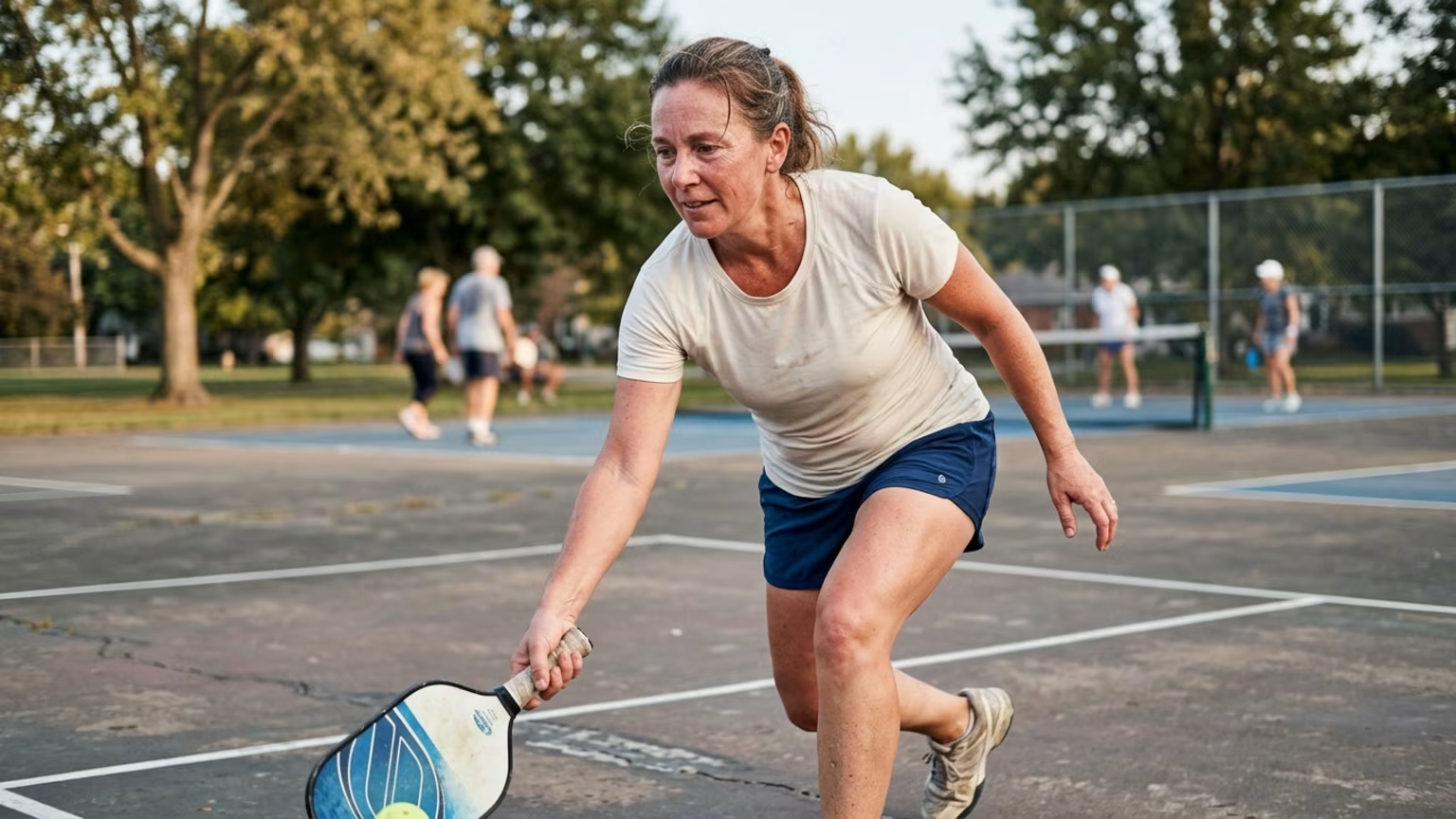

A recent clinical warning highlights the critical need for middle-aged pickleball players to prioritize active warm-ups and gradual training progression.




In September 2026, Dr. Phạm Sơn Tùng from the Department of Orthopedic Trauma Surgery and Sports Medicine at Vietnam’s E Hospital issued a clear clinical warning regarding middle-aged pickleball players. The doctor stated that players returning to activity are particularly vulnerable when their muscles, tendons, and joints have not yet adapted to the demands of the sport. His guidance focused on identifying specific soft-tissue risks and urging players to adopt structured warm-ups and gradual workload progressions.
The central message from Dr. Tùng is that pickleball can appear deceptively easy. This accessible appearance often masks a physical reality involving rapid lateral movement, abrupt stopping, and repetitive overhead motions. When players jump into matches without adequate preparation, they expose unprepared joints and tendons to significant stress. The doctor specifically highlights ankle sprains, knee and meniscal problems, shoulder tendon injuries, and calf or Achilles issues as the primary conditions players should monitor.
Ankle sprains represent a major hurdle for many enthusiastic adults. Dr. Tùng links this ankle-sprain risk to rapid lateral movement, awkward landings, and unsuitable shoes. Slippery surfaces and court obstacles can also contribute to these injuries. Continuing to play after assuming an ankle sprain is minor can contribute to joint instability and repeated sprains.
Knee issues are similarly tied to the physical demands of quick directional changes. The abrupt stopping and twisting required during a rally place substantial loads on the knee joint. The doctor notes that meniscal tissue undergoes natural age-related changes after age 45. Because of these changes, an awkward rotation may be enough to cause a tear for some players.
Shoulder and calf problems also require close attention from middle-aged players. Repeated overhead serves and smashes heavily load the shoulder’s rotator-cuff tendons. Dr. Tùng warns that continuing to play through existing shoulder pain may allow inflammation to persist or progress to a tendon tear. In the lower body, sudden sharp calf pain, difficulty walking, or substantial bruising should be treated seriously. The doctor advises players to warm up carefully, increase intensity gradually, and respond to abnormal symptoms rather than ignoring them.
Professional racket sport athletes treat court preparation as a non-negotiable part of their job. They spend hours preparing their joints for lateral movement and overhead extensions before ever hitting a ball. Recreational players often approach the sport completely differently. Many adults treat pickleball as a casual social activity rather than a demanding athletic endeavor. They frequently walk directly from the parking lot to the baseline and expect their bodies to handle explosive changes of direction instantly.
Our team has experienced this preparation gap firsthand. When I first started playing pickleball, I noticed how many people skipped warming up entirely. They would jump straight out of their cars and right up to the kitchen line. I tried doing that and immediately pulled a calf muscle.
Pickleball requires just as much explosive lateral movement as tennis, just in a tighter space. Since then, I always spend five minutes doing dynamic lunges and ankle rolls. It changes everything about how confident I feel pushing off the baseline. A sports-orthopedic guide reinforces this practical approach for adult players.
The guide recommends shorter initial sessions, recovery days, and changing only one training variable at a time. This means players should not increase their playing frequency, session duration, and intensity simultaneously. Proper preparation supports healthy aging and helps prevent the minor aches that sideline so many players. Adult players who want to maintain their court habits must prioritize gradual progression.
Effective court readiness requires specific physical movements rather than static stretching. The sports-orthopedic guide suggests a warm-up that includes brisk walking, side-to-side movement, and controlled calf raises. Players can follow these exercises with sit-to-stands and easy swings before starting competitive rallies. Cleveland.com similarly recommends a pre-play warm-up involving leg swings, arm circles, light jogging, and body-weight squats.
Spending time on consistent warm-up routines ensures that muscles and tendons are actually ready for match conditions. Players returning after a long period of inactivity face the highest risk of sudden injury. These individuals should treat their first few sessions as re-entry training rather than full-intensity competition. The body needs time to rebuild the specific strength required for lunging and rotating.
Integrating formal basics training early on can correct poor movement habits before they lead to overuse injuries. Taking a measured approach allows players to build durability over the course of a season.
The clinical warnings align with a noticeable rise in treated pickleball injuries over the past decade. Cleveland.com reports that a 2025 study estimated pickleball emergency visits rose from roughly 1,300 in 2014 to more than 24,000 in 2023. This increase occurred alongside the massive expansion of the sport across the country. An earlier emergency-department analysis reported that 90.9% of treated pickleball-injury patients were at least 50.
These numbers underscore the importance of proper physical preparation for middle-aged and older participants. Secondary reports of a study using United States national data estimated 792,773 racket-sport emergency visits from 2000 through 2024. In that analysis, pickleball injuries were reported to have an 18.6% hospitalization rate. This is compared with 8.7% across the broader racket-sport group.
The reported statistical analysis found a 2.57-times higher hospitalization risk for pickleball injuries than for injuries in the other racket sports studied. The nature of these injuries varies significantly based on player age and movement mechanics. The reported analysis found that falls accounted for more than half of pickleball injuries.
Furthermore, fractures made up approximately 26% of pickleball emergency visits in the study. These statistics primarily describe severe injuries treated in emergency departments rather than the minor soft-tissue complaints managed at home. Still, they emphasize the need for stability, proper footwear, and mindful movement on the court. It is important to view these statistics in the proper context.
The emergency-department figures measure treated cases rather than total participation exposure. They do not mean the sport is inherently dangerous for every single player who picks up a paddle. Instead, they highlight why avoiding sudden increases in playing volume is crucial for older adults returning to competitive play. Taking basic precautions can significantly reduce the likelihood of becoming part of these emergency statistics.
As pickleball continues to mature, we expect to see a shift in how recreational facilities approach player safety and preparation. Clubs will likely place greater emphasis on court maintenance to eliminate slippery surfaces and physical obstacles. Adult players will increasingly recognize that playing multiple consecutive matches requires a foundation of adequate strength and mobility. The days of treating racket sports as casual park games that require no physical preparation are rapidly coming to an end.
Players will also become more proactive about recognizing when to step away from the court to protect their long-term capabilities. A physical-therapy guide lists several clear warning signs that require medical evaluation. These include significant swelling, inability to bear weight, repeated giving-way, and true locking. Worsening symptoms or persistent pain should also prompt players to seek professional help.
Recognizing these signs early prevents minor inflammation from becoming a serious long-term problem. Relying on professional medical evaluation rather than self-diagnosis is a critical component of athletic longevity. We anticipate that community programs will begin integrating short movement clinics directly into their open play schedules. This pragmatic approach to health will help millions of adults maintain their athletic capabilities for years to come.
Follow Evercourts for practical insights on tennis, pickleball and padel performance, movement, recovery and healthy ageing. Stay connected for new articles, research-led guidance and ideas to help you play well and keep playing for years.


An evidence check on sports supplements like tart cherry juice. Learn why racquet sports players should prioritize core nutrition over functional foods.
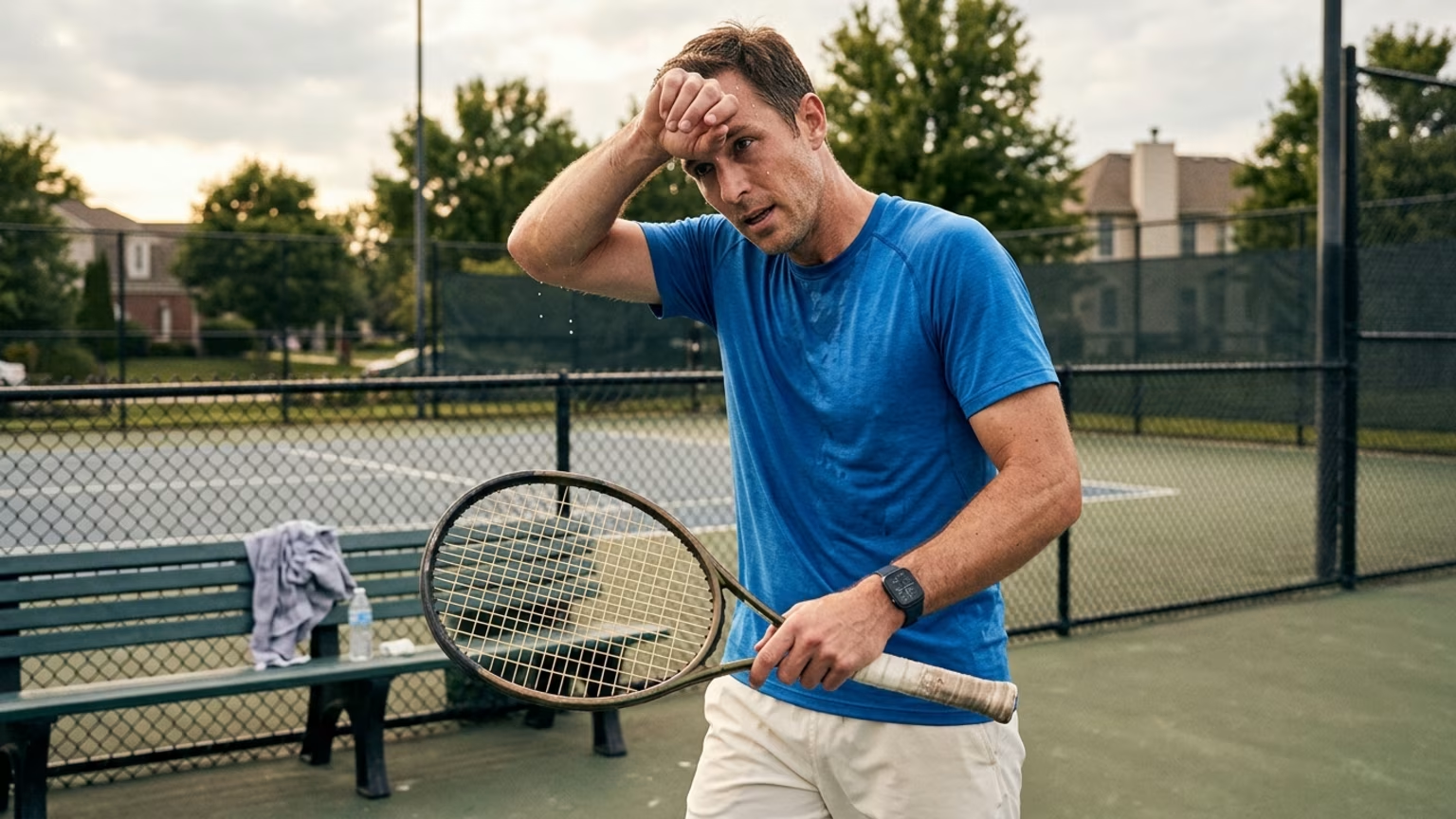
In late 2026, Oura analyzed wearable data to see how recreational tennis impacts heart health and recovery. Learn what this means for your athletic longevity.
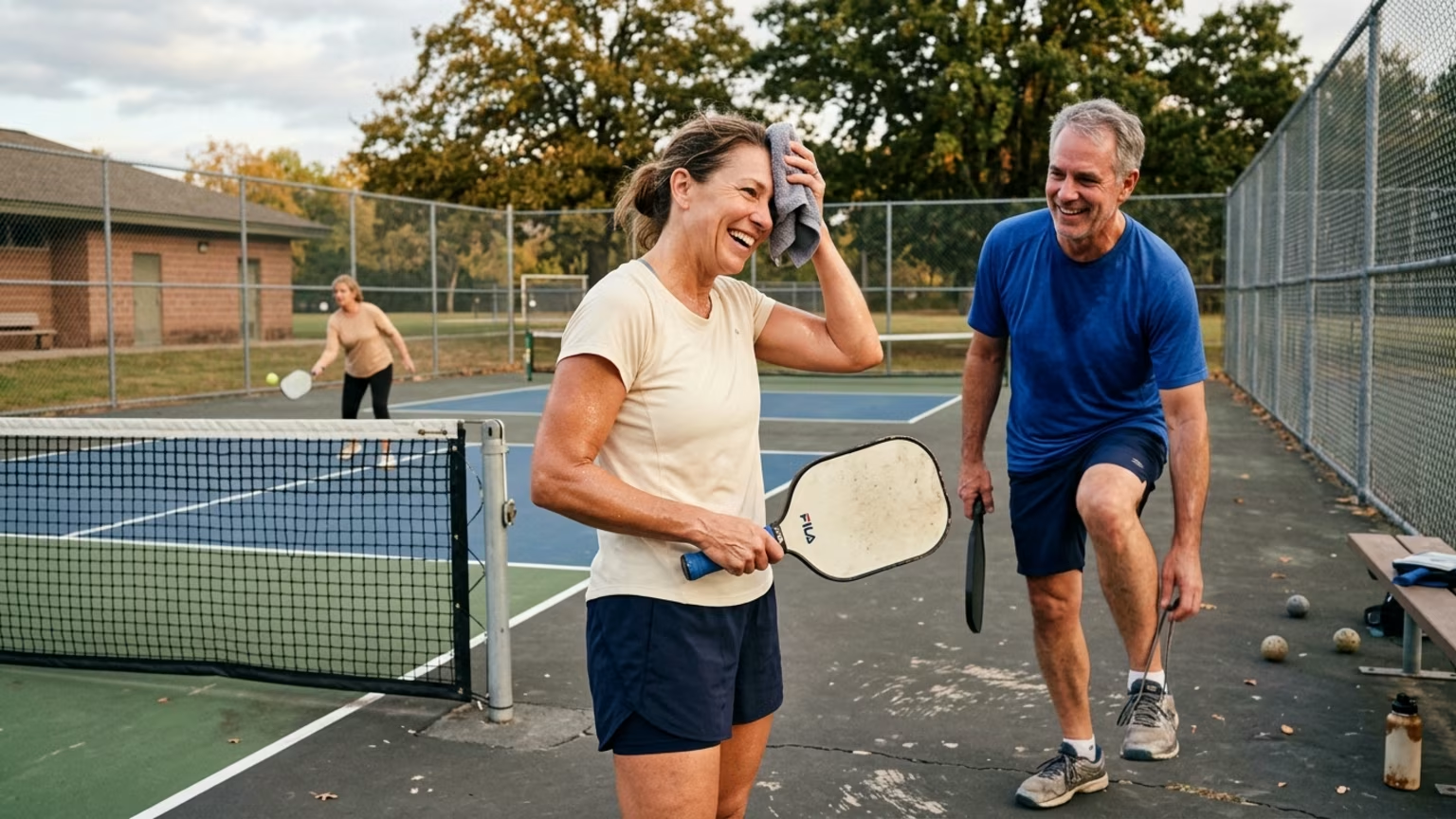
Recent guidelines emphasize gradual progression, dynamic warm-ups, and scheduled recovery to help adult racquet sports players maintain athletic longevity.
Read practical guidance for better movement, smarter preparation and a game that keeps working for you.
explore the Blog
