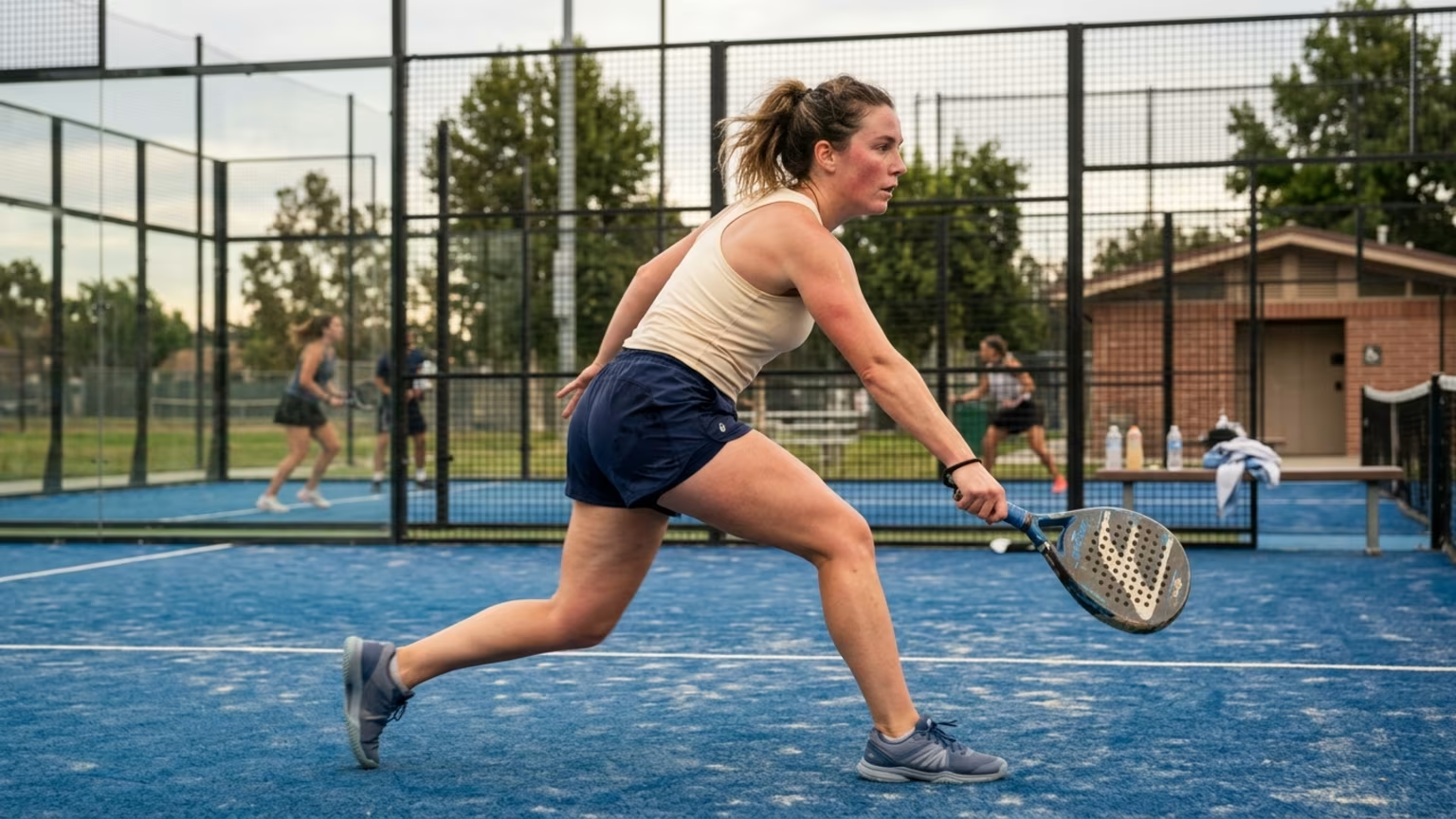

A practical guide to the movement patterns that define padel. Understand how to manage accelerations, improve footwork, and build athletic longevity on court.




A secondary summary of match-analysis research reports that a single padel match demands approximately 3,775 metres of movement and more than 600 short accelerations and decelerations. This intermittent multidirectional activity shapes how we understand the true physical requirements of the sport. Real playing time accounts for about 40 percent of the total match duration. Players spend the rest of their time recovering between brief periods of intense effort.
When I first started playing pickleball, I noticed how many people skipped warming up entirely. They would jump straight out of their cars and right up to the kitchen line. I tried doing that and immediately pulled a calf muscle. Pickleball requires just as much explosive lateral movement as tennis, just in a tighter space.
Since then, I always spend five minutes doing dynamic lunges and ankle rolls. It changes everything about how confident I feel pushing off the baseline. Padel requires the exact same respect for physical preparation before you step on the court. Players face constant shifts from standing to sprinting while tracking the ball.
The body must handle repeated landing tasks that place stress on the lateral ankle complex. Multidirectional movement, abrupt deceleration, and repeated landing tasks combine to create high physical stress. In a study of amateur padel players in Saudi Arabia, ankle sprains were associated with moderate functional impairment, persistent symptoms, and recurrent instability. Learning to brake quickly and reset your balance is often more valuable than raw sprinting speed.
A systematic review of padel research identified 271 records initially, retained 72 after screening, and added 49 from the references of included studies. This growing evidence base highlights how players actually move during competition. A secondary summary notes that players perform about 420 metres at explosive speed per match. Recreational players should use these match-load figures as indicative context rather than absolute training targets.
In a 2024 study summary, change-of-direction ability and acceleration capacity were associated with match-specific high-intensity variables among FT2 players. This data suggests that deceleration is just as important as acceleration. A player who sprints toward a ball but cannot lower their center of mass might place excessive stress on the lower limb. The ability to control final steps directly influences how well a player sets up for the next shot.
The fundamental movement sequence involves a small, balanced hop called a split step. Mastering efficient split step mechanics allows you to react faster to the ball. A large jump adds unnecessary vertical motion, while a low landing preserves options for lateral or forward movement. Recreational players must focus on synchronizing the landing with the opponent contact.
Padel research is increasingly examining the relationship between laboratory tests and actual match behavior. The literature is broadening beyond professional performance to include amateur metrics. However, much of the published evidence still focuses on competitive players or small samples. This is why Evercourts emphasizes practical coaching observations alongside the available match data.
To understand how different court dimensions impact physical strain, players must look at how space dictates footwork. Tennis demands long baseline runs and extended linear sprints. Pickleball requires tight lateral adjustments to defend the kitchen line. Padel introduces glass walls, meaning players must constantly turn and rotate to track rebounds.
When retreating for lobs in padel, turning the back foot first and rotating the body is more efficient than back-pedalling. This movement combines footwork with trunk and hip rotation. Padel players use short lateral shuffles to defend balls played wide of the body. A typical coaching drill places two markers four metres apart to practice shuffling while maintaining a balanced stance.
Every racquet sport demands recovery steps after a shot, but padel players must reset instantly due to the confined court. A player may need to respond immediately after a partner makes a shot or an opponent hits a rebound. Recovery must be trained as part of every single repetition. Players who only practice running to the ball will struggle during long rallies.
Maintaining athletic longevity requires consistent physical preparation outside of match play. The World Health Organization recommends that older adults accumulate 150 to 300 minutes of moderate-intensity aerobic activity per week. They also recommend muscle-strengthening work on at least two days per week. For older adults, WHO advises multicomponent activity emphasizing functional balance and strength on at least three days per week.
A review found consistent benefits from progressive programs that combine balance work with functional exercise and strengthening. Reported improvements included better lower-limb strength and dynamic balance. The same review noted enhanced functional mobility and improved postural control. This evidence supports using planned stepping and controlled deceleration exercises to build court readiness.
Practitioner guidance recommends two short agility sessions per week rather than one long, fatiguing session. Shorter sessions allow players to maintain high movement quality without excessive fatigue. Training should focus on court-specific agility rather than generic ladder routines. A simple court-specific routine can be performed in approximately 15 to 20 minutes.
Players should start with 5 to 10 minutes of progressive movement before agility work. Next, they can practice split-step reactions by responding to directional calls from a partner. Finish each repetition with a shadow volley or defensive swing so footwork remains connected to racket preparation. Taking action on this data ensures that adult players stay prepared for the unique physical demands of the court.
Follow Evercourts for practical insights on tennis, pickleball and padel performance, movement, recovery and healthy ageing. Stay connected for new articles, research-led guidance and ideas to help you play well and keep playing for years.


Compare court size, singles and doubles formats, and wall rebounds to choose tennis, pickleball or padel around your preferences and schedule.
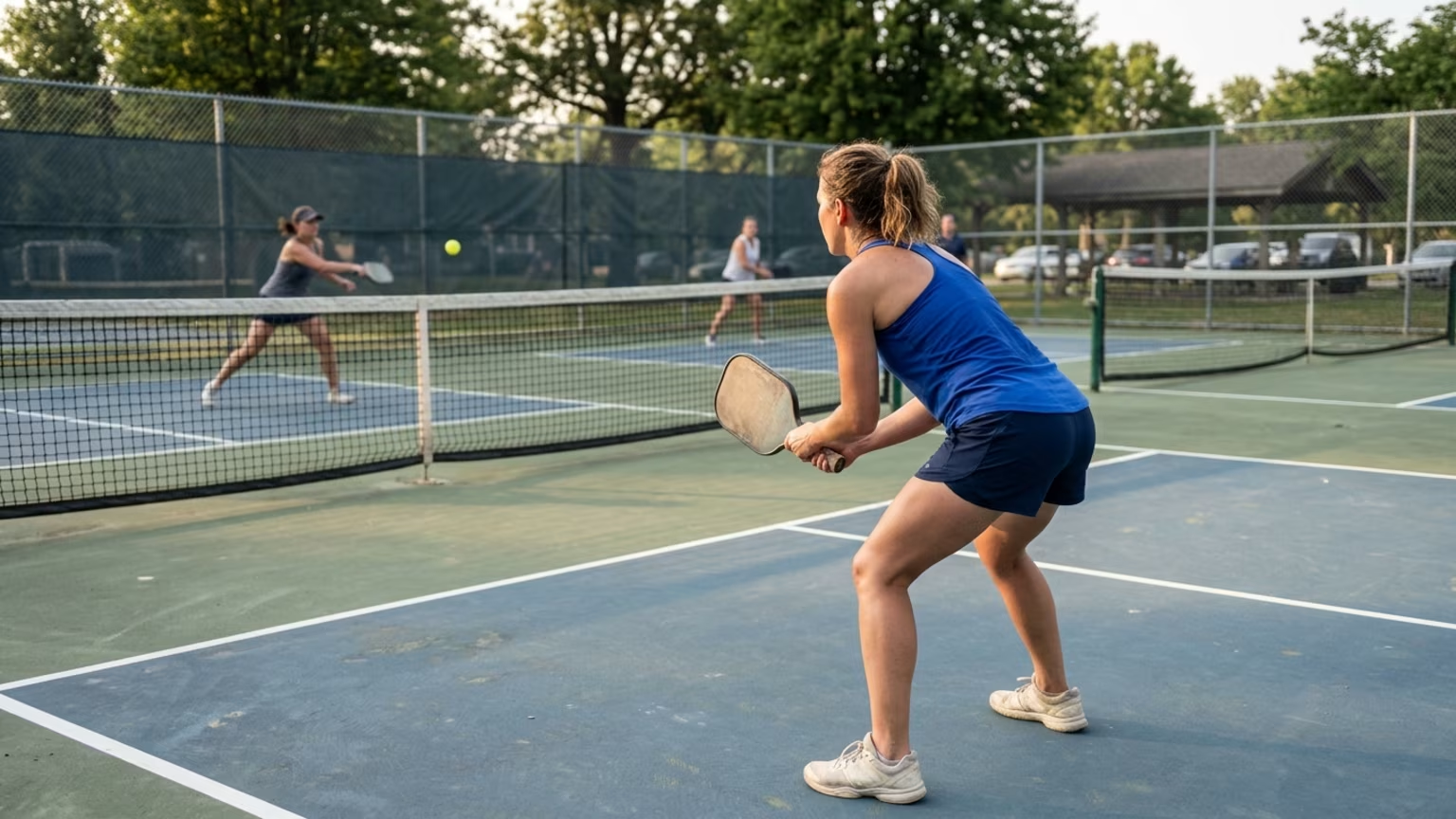
How anticipation informs movement in tennis, pickleball and padel, with research-backed distinctions and practical coaching cues for the next ball.
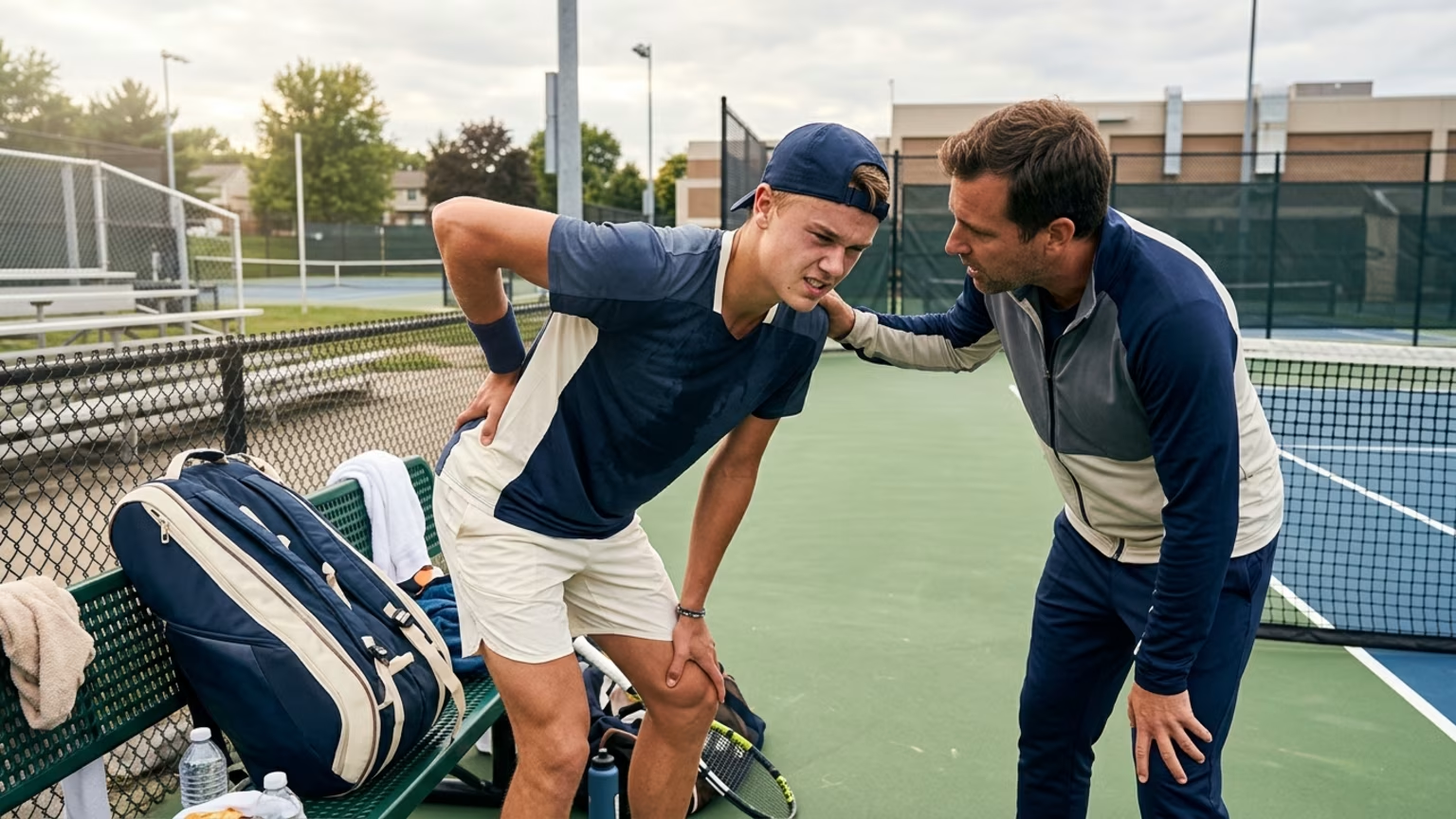
Holger Rune withdrew from the European Open with a back problem. The facts behind his decision and a grounded perspective for recreational players.
Read practical guidance for better movement, smarter preparation and a game that keeps working for you.
explore the Blog
