

How modest strength work can fit around tennis, pickleball and padel, with adaptable movement patterns and a clear look at the evidence.




Strength training is activity that asks your muscles to work against resistance. For adult racquet-sport players, it can sit alongside court play rather than compete with it. The aim is to give strength and movement control a deliberate place in the week without turning every available hour into training.
A useful starting point is to think in movement patterns: squatting, hinging, pushing and pulling. Single-leg control adds another way to consider how you manage your body. These categories offer a flexible vocabulary rather than a compulsory exercise list.
For Evercourts, the priority is keeping physical preparation connected to the activity you enjoy. A manageable routine deserves consideration because it fits your life, not because it looks demanding on paper.
Tennis, pickleball and padel involve repeated explosive efforts and changes of direction. Getting moving is only part of that task. Stopping and preparing to move again also matter.
Consider the demands through a movement lens:
These examples explain why strength belongs in the conversation about court preparation. They also help frame the purpose of gym work: developing physical qualities rather than simply adding more activity.
The practical question is how to give those qualities attention while keeping enough room for the sport itself. More training is not automatically a better fit for a busy playing week.
A published summary of WHO guidance recommends muscle-strengthening activity alongside aerobic activity. It also places added emphasis on varied strength-and-balance activity for older adults. That provides a general rationale for looking beyond court play when planning physical activity.
The direct racquet-sport evidence needs careful interpretation. A 2026 systematic review of racquet-sport interventions in older adults included 13 trials, with evidence concentrated in table tennis. Tennis evidence came from a single trial of 16 men without a non-exercise control group. The authors could not establish which racquet sport was superior for older adults’ functional outcomes.
Broader exercise research adds context. A 2026 review in BMC Geriatrics included 61 randomized controlled trials involving 3,706 participants with sarcopenia or frailty. It reported functional-mobility benefits from multicomponent training that included resistance training, but rated that evidence as low certainty. That population is different from adult racquet-sport players generally.
A tennis-training practitioner guide recommends strength and balance alongside recovery and gradual increases in court and gym workloads. Its authors also acknowledge limited published evidence for specific tennis injury-prevention programs. Those recommendations are practical guidance rather than proof that a routine prevents injuries or extends a playing career.
The measured conclusion is that strength work is a reasonable complement to court time. Playing alone is not established as a substitute for it. The research does not validate one ideal combination of movement patterns or one racquet-specific dose for aging tennis, pickleball and padel players. The framework below is an editorial way to organize adaptable options.
The long-term goal is broader than hitting a harder shot. It includes maintaining physical capabilities for both sport and everyday life. Rising from a seat or managing daily tasks can sit alongside court movement as reasons to make room for strength work.
Movement patterns help organize that intention without tying it to a particular gym setup:
These categories are a menu for discussion, not an instruction to complete every pattern in every session. A routine can remain modest while giving strength and balance deliberate attention. Exercise selection should reflect individual circumstances rather than loyalty to a standard list.
For a closer look at the planning principle, consider how to choose strength work with a clear movement purpose. The useful question is what an exercise contributes to the overall plan, not whether it looks sufficiently athletic.
A practical planning approach starts with the court activity already in the week. Strength work then becomes part of that overall workload rather than a separate commitment whose demands are ignored.
The tennis practitioner guide’s advice to increase court and gym workloads gradually is relevant here. It favors a measured approach over adding more of everything at once. Our guide to making space for court play and strength work addresses that scheduling question in more detail.
Repeatability is a useful editorial priority. A routine that fits ordinary weeks is a more realistic planning choice than one built around unusually quiet days. That does not establish a universal session length or exercise count; it keeps the decision connected to your actual availability.
A simple record can also make those conversations more concrete. Noting court activity alongside strength work and movement concerns gives you something specific to review. Our resource on recording training and recovery observations offers a way to organize that information.
Personal exercise decisions deserve qualified advice when pain, a medical condition or substantial mobility limitations are part of the picture. A general movement framework is not a clinical assessment.
Reasons to seek that advice include:
A qualified physio or healthcare provider can help assess those concerns and discuss appropriate options. The purpose is to make an informed decision about your circumstances rather than force your body into a standard routine.
Today’s takeaway: write down any pain or movement limitation you want to discuss with a qualified physio or healthcare provider.
Follow Evercourts for practical insights on tennis, pickleball and padel performance, movement, recovery and healthy ageing. Stay connected for new articles, research-led guidance and ideas to help you play well and keep playing for years.


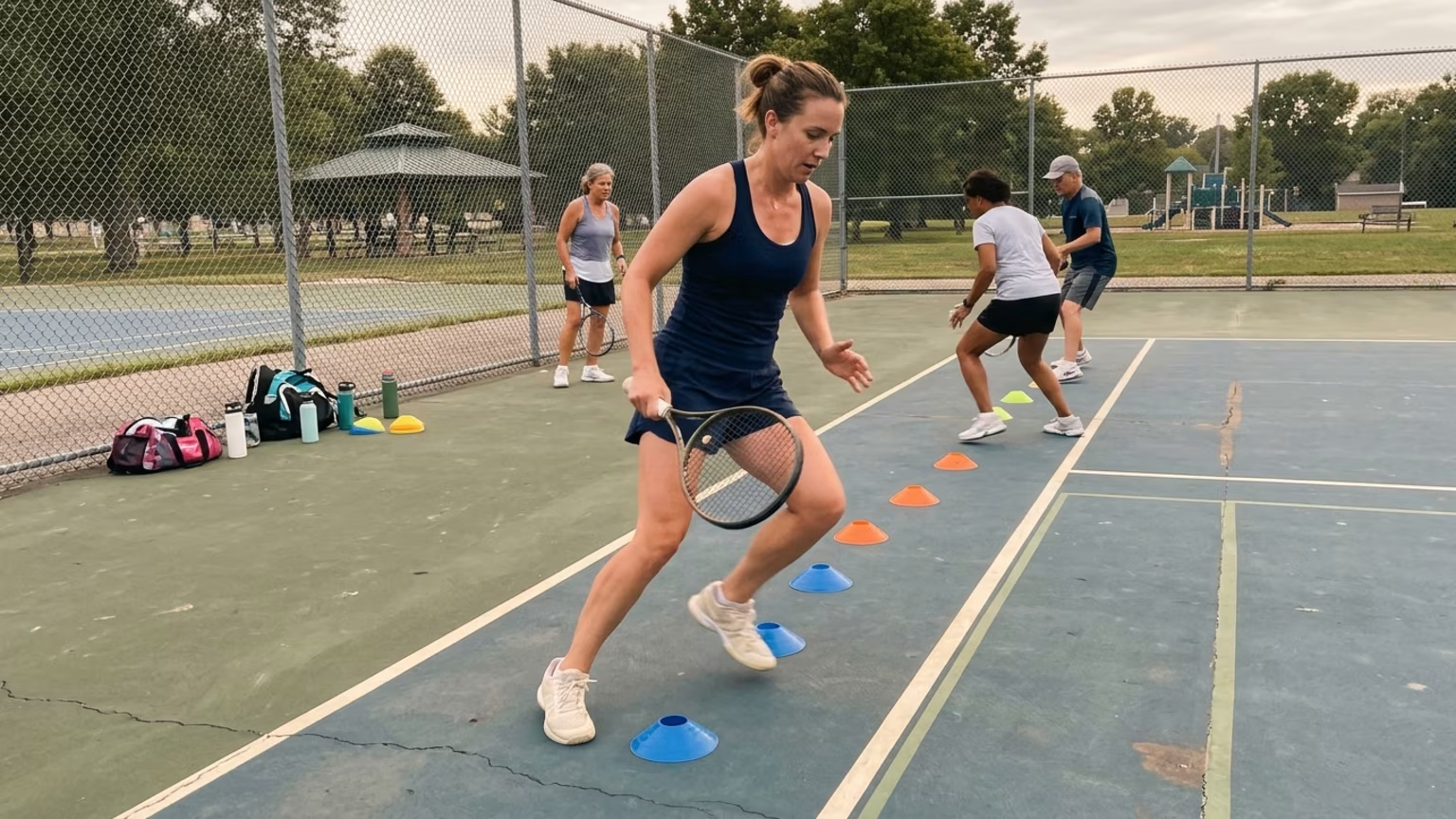
Build a warm-up from easy movement to court footwork and strokes, with clear evidence limits and guidance on when to seek professional advice.
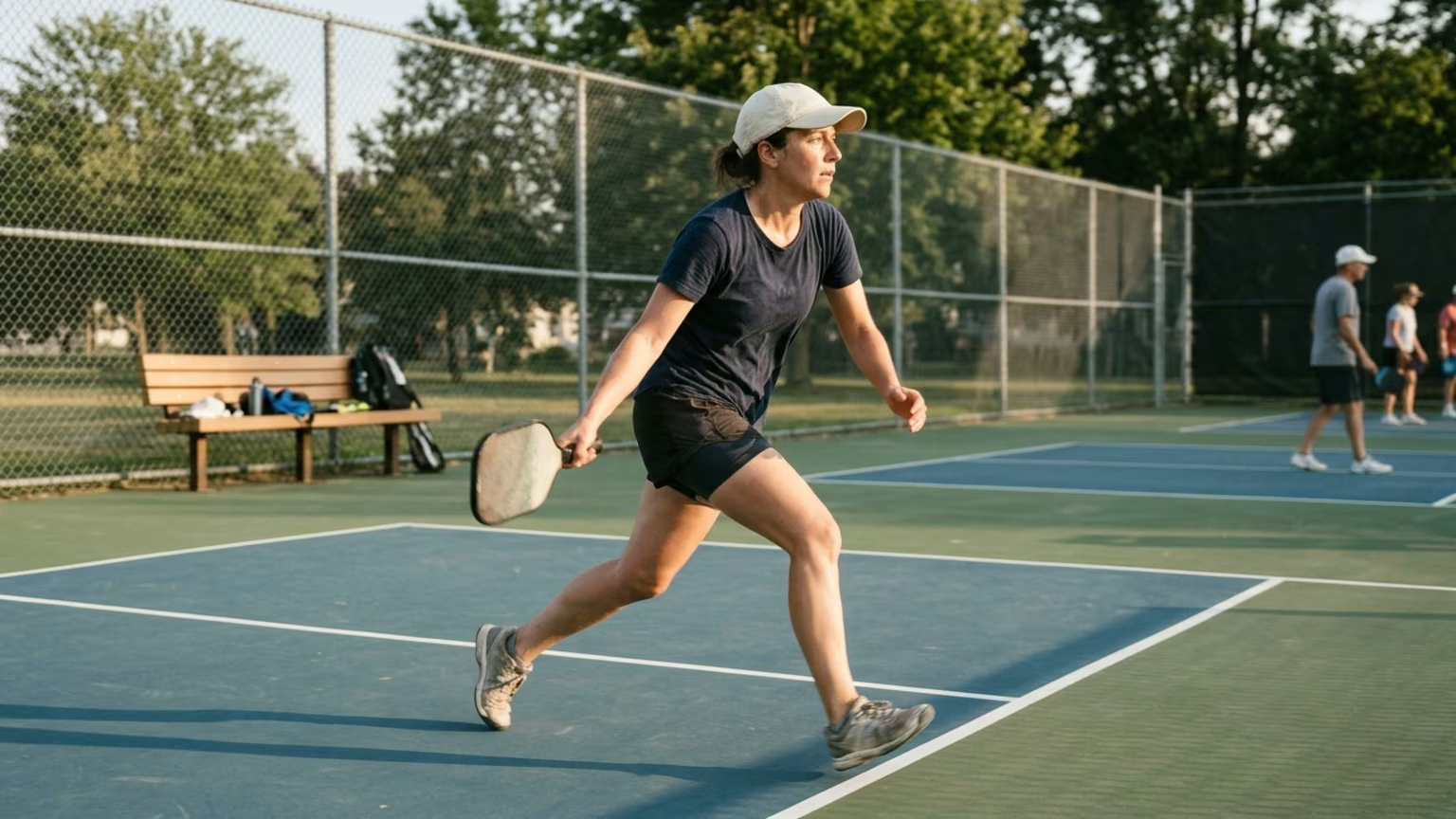
An evidence-led look at pickleball lunges, balanced recovery, movement practice and when to seek professional advice.
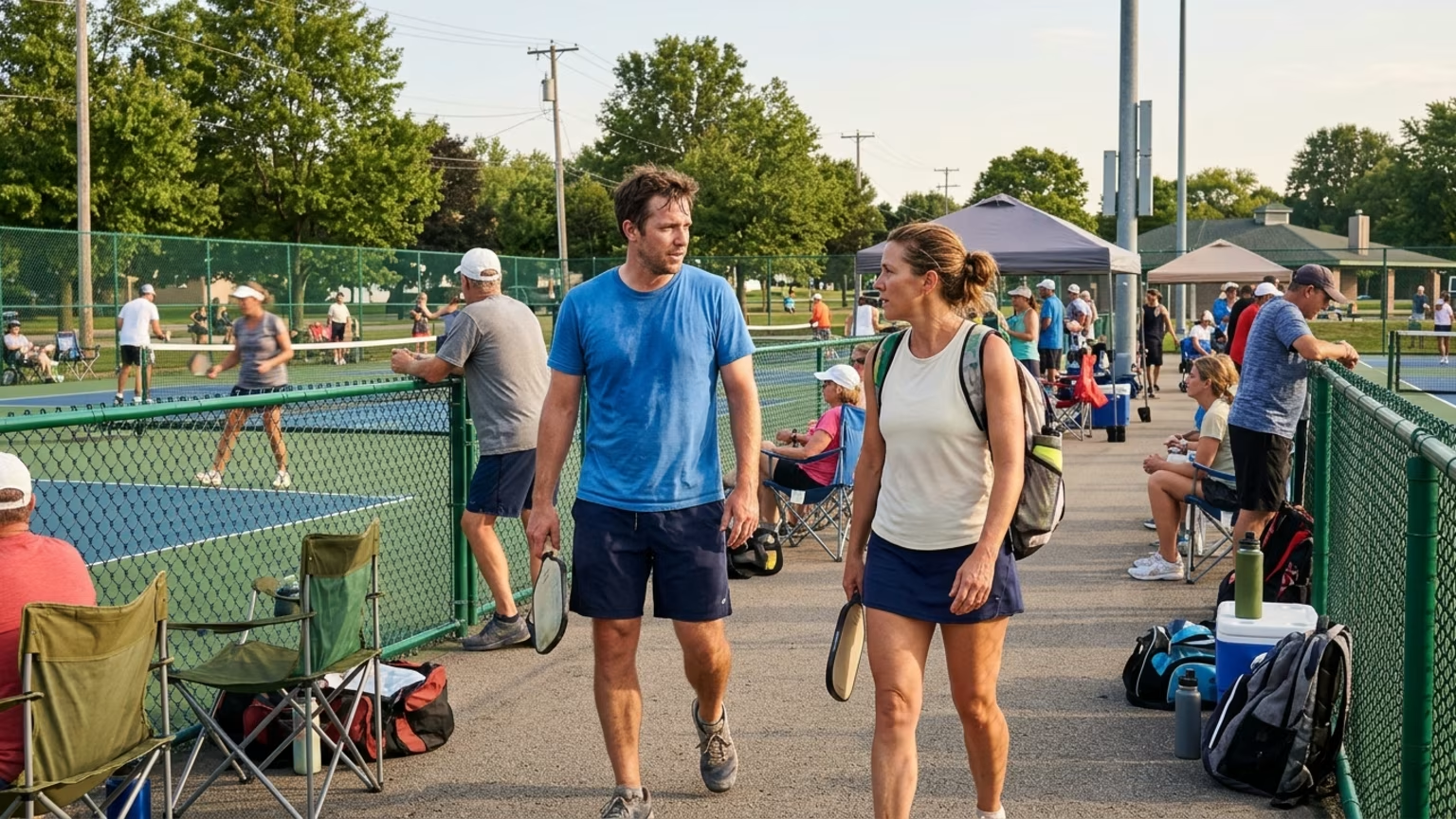
A practical tournament-day mailbag covering schedules, venue rules, food, fluids and flexible plans for tennis, pickleball and padel.
Read practical guidance for better movement, smarter preparation and a game that keeps working for you.
explore the Blog
