

Following recent sports medicine updates, we explain how adult racquet athletes can use dynamic warm ups, strength work, and active recovery to prevent injury.




On July 29, 2026, Newswise listed a newly released feature from Penn State Health outlining practical injury prevention tips for young athletes. The publication summarized guidance from the health system's sports medicine experts. The release focused on strategies designed to keep children healthy and active in their respective sports. It highlighted a broad medical push toward preparing the body for competition rather than simply treating injuries after they occur.
The Newswise summary of the Penn State Health feature remains brief and highly focused on youth athletics. The available listing does not identify the specific experts involved or detail their exact clinical routines. However, the core message centers on proactive physical preparation for seasonal sports. The feature signals an ongoing effort by medical institutions to formalize safe playing habits early in an athlete's life.
While institutional sports medicine often focuses on youth or professional athletes, adult recreational players face a completely different physical reality. Children might bounce back quickly from sudden movements on the court. Adult players must actively manage joint stiffness and longer recovery windows. Taking general youth guidance and applying it to adult tennis or pickleball requires specific modifications.
To find practical advice suitable for adult players, we can look to a separate Tennis Canada article published on September 3, 2026. This article presents specific injury prevention advice from Cleveland Clinic Canada experts. The recommendations provide a sensible framework for adult racquet athletes who want to maintain their athletic longevity. The experts advise players to build their activity levels gradually over time.
The Cleveland Clinic Canada experts emphasize warming up properly before stepping onto the court. The Tennis Canada report describes dynamic movement as a necessary way to prepare the body for intense activity. Suggested movements include controlled lunges, leg swings, and arm circles to prepare the muscles for sudden directional changes. This approach ensures the tissues are ready for the unpredictable nature of competitive play.
Pickleball and padel require constant braking and short sprints. This puts immense pressure on the lower body joints. The Cleveland Clinic Canada recommendations regarding dynamic warm ups are particularly relevant to these movements. Controlled lunges prepare the legs for the sudden stops at the net, while arm circles ready the shoulders for overhead smashes.
For adults playing multiple times a week, gradually increasing your workload is crucial. The Cleveland Clinic Canada experts specifically advise allowing the body to adapt when increasing activity duration or frequency. Sudden spikes in court time often lead to acute joint stress. Experts agree that allowing tissues to adapt is a key component of sustainable play.
Strength training also provides a necessary foundation for adult recreational players. Hitting groundstrokes requires rotational power and stable leg muscles. Without adequate strength, the joints take on the burden of absorbing those forces. Simple resistance exercises align closely with recommendations from sports medicine experts on preventing lumbar injuries.
Building strength does not require heavy weightlifting or complicated gym routines. Resistance bands and bodyweight exercises offer enough stimulus for most recreational players who prioritize healthy aging and injury prevention. Strengthening the core and glutes directly supports the rotational movements used in every racquet swing. Stronger leg muscles also act as shock absorbers during hard landings on the court.
In contrast to pre-match routines, experts place static stretching firmly in cool down and recovery plans. Saving static stretches for after the match helps maintain flexibility when the muscles are already warm. The Tennis Canada article also stresses the importance of prioritizing recovery between matches. Finally, the experts advise players to respond to pain rather than repeatedly pushing through it.
In our experience, adult players often struggle with this final point about pain and recovery. I remember finishing a tough two hour padel match on a cold Tuesday night and waking up the next morning feeling like my lower back was locked in concrete. Once I started spending just ten minutes on targeted hip mobility before heading to the club, the stiffness almost completely vanished. It taught me that we do not have to accept pain as a default state of aging.
Listening to your body remains the most important variable for adult athletes. Persistent aches are a clear signal that your current load exceeds your physical capacity. Modifying your schedule or intensity gives irritated tissues a much needed chance to heal. Taking an extra rest day or reading up on playing safely under fatigue is always better than missing an entire season.
Over the next season, expect sports medicine guidance to place even greater emphasis on structured warm ups for recreational players. As racquet sports continue to grow in popularity among older adults, medical professionals will likely release more protocols tailored specifically to the biomechanics of tennis and padel. Players who adopt these proactive mobility and strength routines now will be better equipped to handle the physical demands of competitive play. The conversation is shifting steadily from reactive injury treatment toward daily athletic preparation.
Follow Evercourts for practical insights on tennis, pickleball and padel performance, movement, recovery and healthy ageing. Stay connected for new articles, research-led guidance and ideas to help you play well and keep playing for years.


An evidence check on sports supplements like tart cherry juice. Learn why racquet sports players should prioritize core nutrition over functional foods.
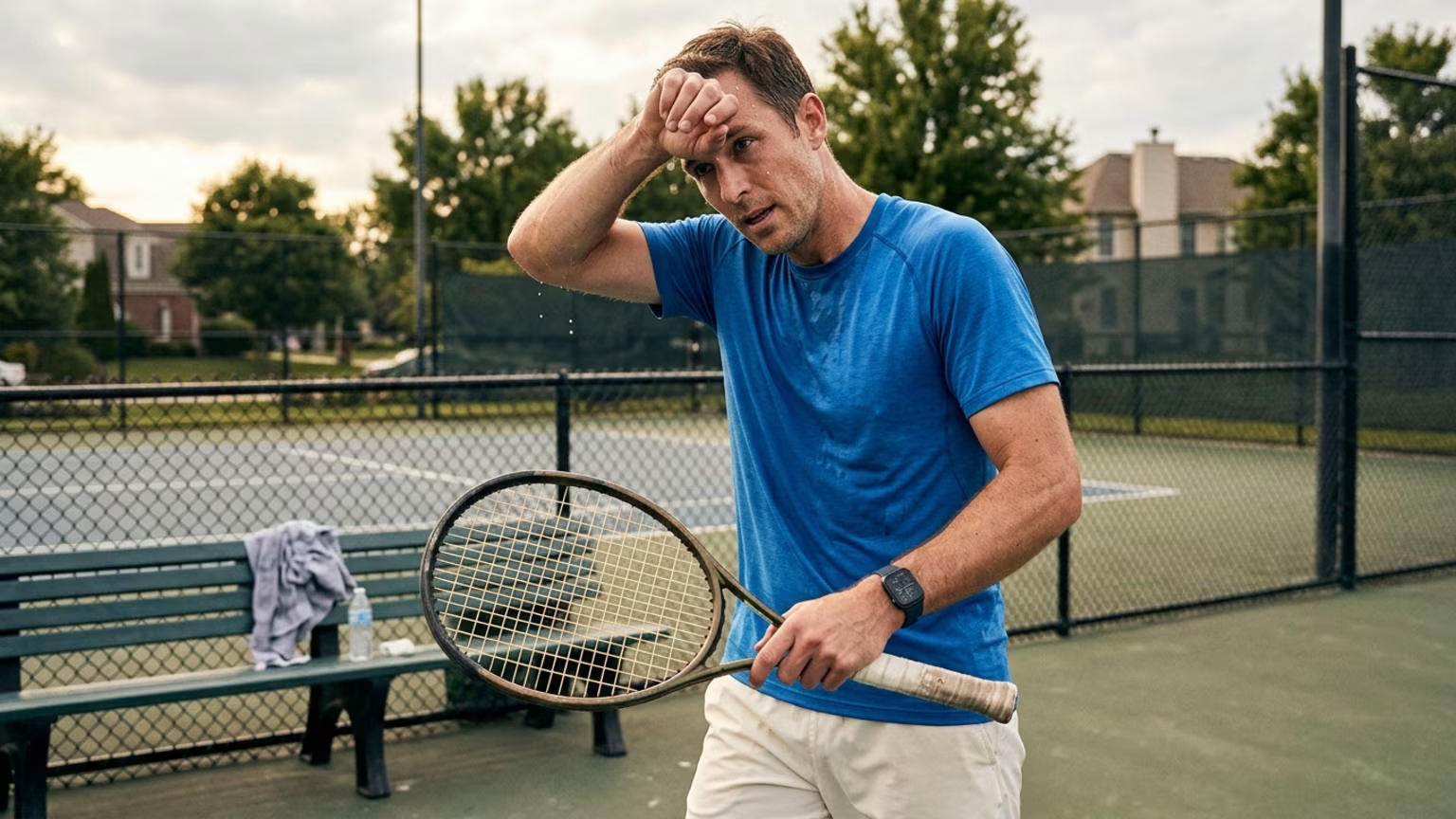
In late 2026, Oura analyzed wearable data to see how recreational tennis impacts heart health and recovery. Learn what this means for your athletic longevity.
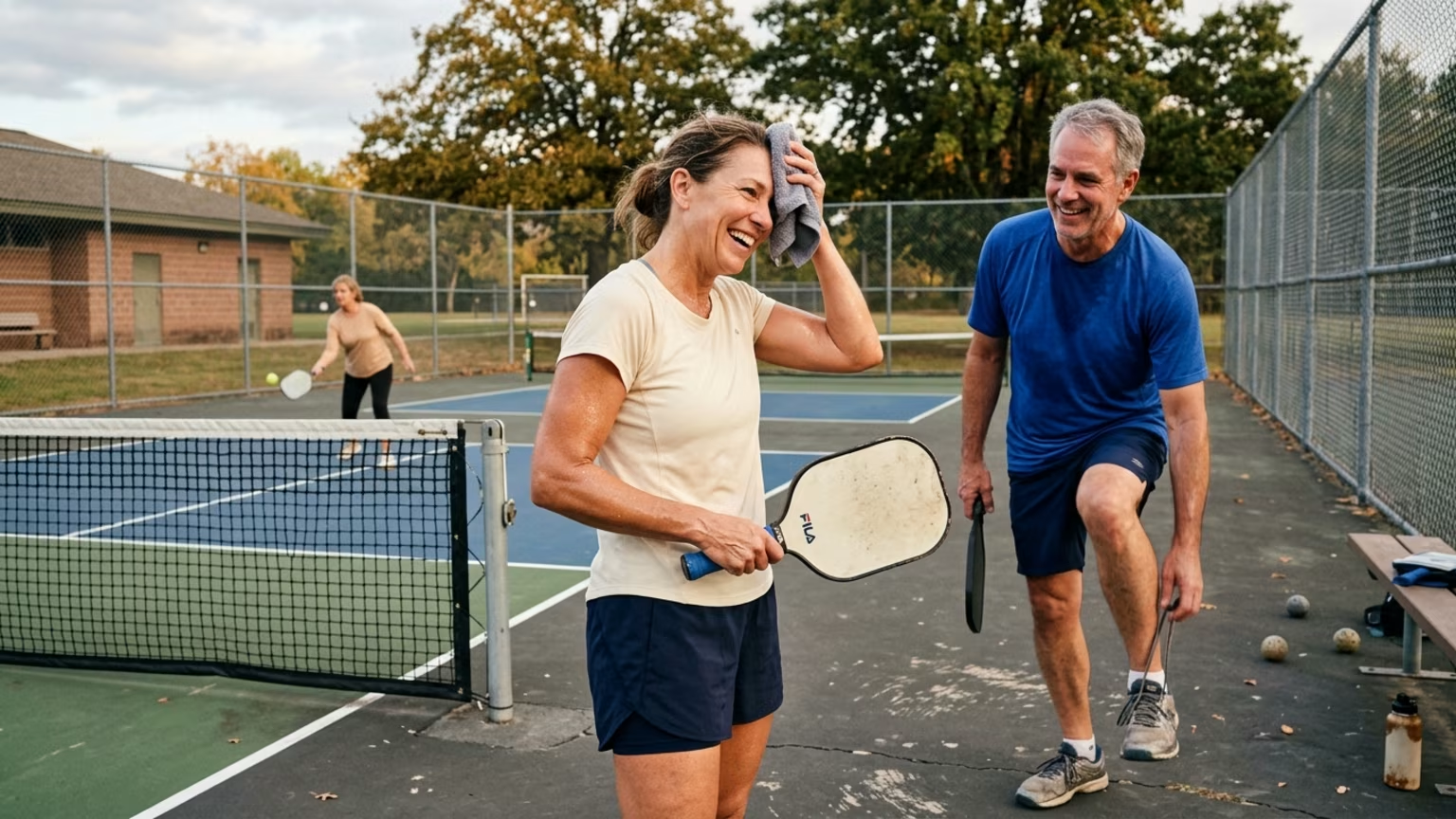
Recent guidelines emphasize gradual progression, dynamic warm-ups, and scheduled recovery to help adult racquet sports players maintain athletic longevity.
Read practical guidance for better movement, smarter preparation and a game that keeps working for you.
explore the Blog
