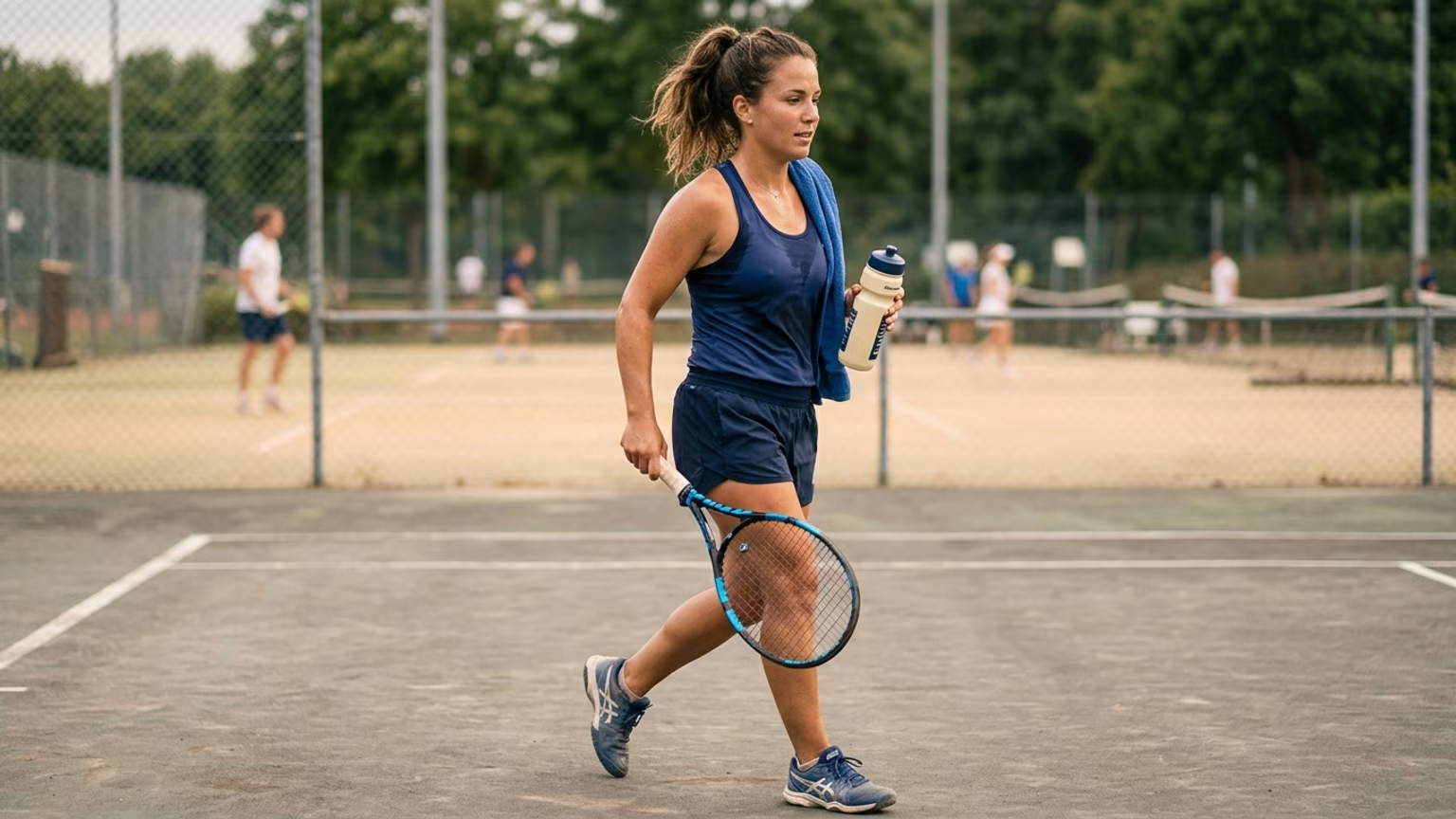

Learn how to build a reliable match-day routine for tennis, pickleball, and padel. Discover research-backed hydration, nutrition, and warm-up strategies.




You have just pulled into the crowded club parking lot with exactly twelve minutes until your match starts. Your opponent is already hitting serves across the net. You grab your bag from the trunk, rush to the court, and realize you forgot to fill your water bottle. Your first few games are a blur of stiff legs, rushed swings, and heavy breathing.
A well-planned routine removes last minute decisions and reduces pre-match stress. It is not about copying professional rituals or trying to manage luck. The goal is to build a repeatable system that prepares your body for competition. For adult recreational and competitive players, a structured plan supports athletic longevity and reliable performance.
It strips away complex fitness trends and focuses on functional readiness. You simply follow a flexible system that survives delayed starts, unfamiliar locker rooms, and changing weather. A reliable pre-match routine organizes your attention and physically primes your joints. This systematic approach ensures you can step onto the court capable, focused, and physically prepared.
Superstitions rely on perfectly replicated rituals that crumble under pressure. A proper match day protocol focuses entirely on physical capability and mental focus. You do not need to overthink complicated fitness systems or stress about perfection. The routine serves as a reliable baseline that protects your joints and maintains your energy.
Preparation begins before you ever leave your house. Pack your equipment bag using the same exact checklist every single time. Prepare a familiar snack, fill your water bottles, and check the weather forecast. Choose one simple technical cue to focus on during your first few games.
Proper fluid intake starts long before the first serve. USTA guidance recommends drinking 12 to 16 ounces of water after waking or at the start of your hydration process. It suggests consuming another 12 to 16 ounces 60 to 90 minutes before play. Ten minutes before going on court, you should consume approximately eight ounces. Sports-medicine physician David Wu, in an American Medical Association interview, advises against trying to catch up on hydration immediately before competition.
Your digestive system responds poorly to unexpected changes on competition days. Eating familiar food is the safest way to manage match day nutrition. USTA guidance recommends a meal built around substantial carbohydrate, moderate protein, and relatively low fat three to four hours before exercise. Avoid testing new supplements or highly concentrated sports drinks on the morning of a tournament.
If you need an extra boost, consume a moderate-carbohydrate snack 15 to 60 minutes before play. Extended tournament matches demand ongoing fueling to prevent severe fatigue. For exercises with substantial energy demands, consume 30 to 60 grams of carbohydrate per hour. Pack easy snacks like bananas, oatmeal, or a simple sandwich.
Raising your body temperature requires progressive movement rather than holding stretches. The AMA sports-medicine guidance for pickleball recommends dynamic movement such as walking lunges, high knees, and arm circles before play. It identifies the post-play period as the proper time for static stretching. You should save those longer stretching holds for when your muscles are already warm.
A practical mobility routine should last 8 to 12 minutes. Begin with brisk walking or light skipping to raise your heart rate. Progress to lateral shuffles, split-step patterns, and controlled lunges. Finish the sequence with progressive shadow swings and short accelerations to prepare for actual play.
A repeatable action sequence gives your mind a consistent starting point. A reported meta-analysis from High Performance Culture found moderate-to-large effects for structured pre-performance routines. This review spanned 112 effect sizes, 15 sports, and approximately 800 athletes. It noted a reported Hedges' g of 0.70 under pressure for athletes using these structured methods. Keep your own sequence brief so it works even when you are rushed.
A structured reset interval helps direct your focus toward the next action. One tennis-specific model divides the time between points into four simple mental steps. First, you release the previous point by turning away from the net. Second, you take one slow exhale while relaxing your jaw and shoulders.
You then transition from relaxation back into active readiness. Third, you select one controllable tactical thought for the upcoming point. Finally, you commit to your familiar physical setup routine without adding extra analysis. This brief cycle stops you from dwelling on past errors during tight matches.
Real club tournaments often feature traffic jams and unpredictable start times. You need both a full routine and a compressed routine. The full version includes complete hydration, planned eating, and a detailed physical warm-up. The compressed version limits preparation to a quick equipment check, brief dynamic movement, and one tactical cue.
Effective recovery starts within minutes of leaving the court. Walk lightly for a few minutes to ease the transition from intense competition. USTA recovery guidance recommends beginning with a carbohydrate-and-protein snack within 30 minutes. You should then follow up with a more complete meal containing carbohydrate, protein, and fat within two hours.
The longer duration of tennis matches requires careful attention to ongoing hydration. USTA guidance suggests roughly 4 to 8 ounces of fluid at each changeover for lighter-to-moderate sweaters. Heavier sweaters should target 8 to 16 ounces during those breaks. Always pack spare grips and confirm your string tension before leaving for the club.
The rapid transitional movements in pickleball place heavy demands on your feet. Medical and health guidance for pickleball specifically emphasizes wearing court shoes designed for lateral movement. Never assume that standard running shoes are safe for explosive court steps. Injury-prevention guidance for pickleball also emphasizes checking the court and removing debris before play.
Padel players constantly decelerate near the glass and jump for overheads. Your dynamic warm-up must include rotational trunk movements and deep controlled lunges. Make sure you inspect the court surface for wet patches near the walls. Always check your paddle surface and grip condition before the warm-up begins.
Consistent preparation keeps your body resilient and your mind clear. Evercourts knows that a reliable process helps you stay healthy and enjoy the game for years.
Follow Evercourts for practical insights on tennis, pickleball and padel performance, movement, recovery and healthy ageing. Stay connected for new articles, research-led guidance and ideas to help you play well and keep playing for years.


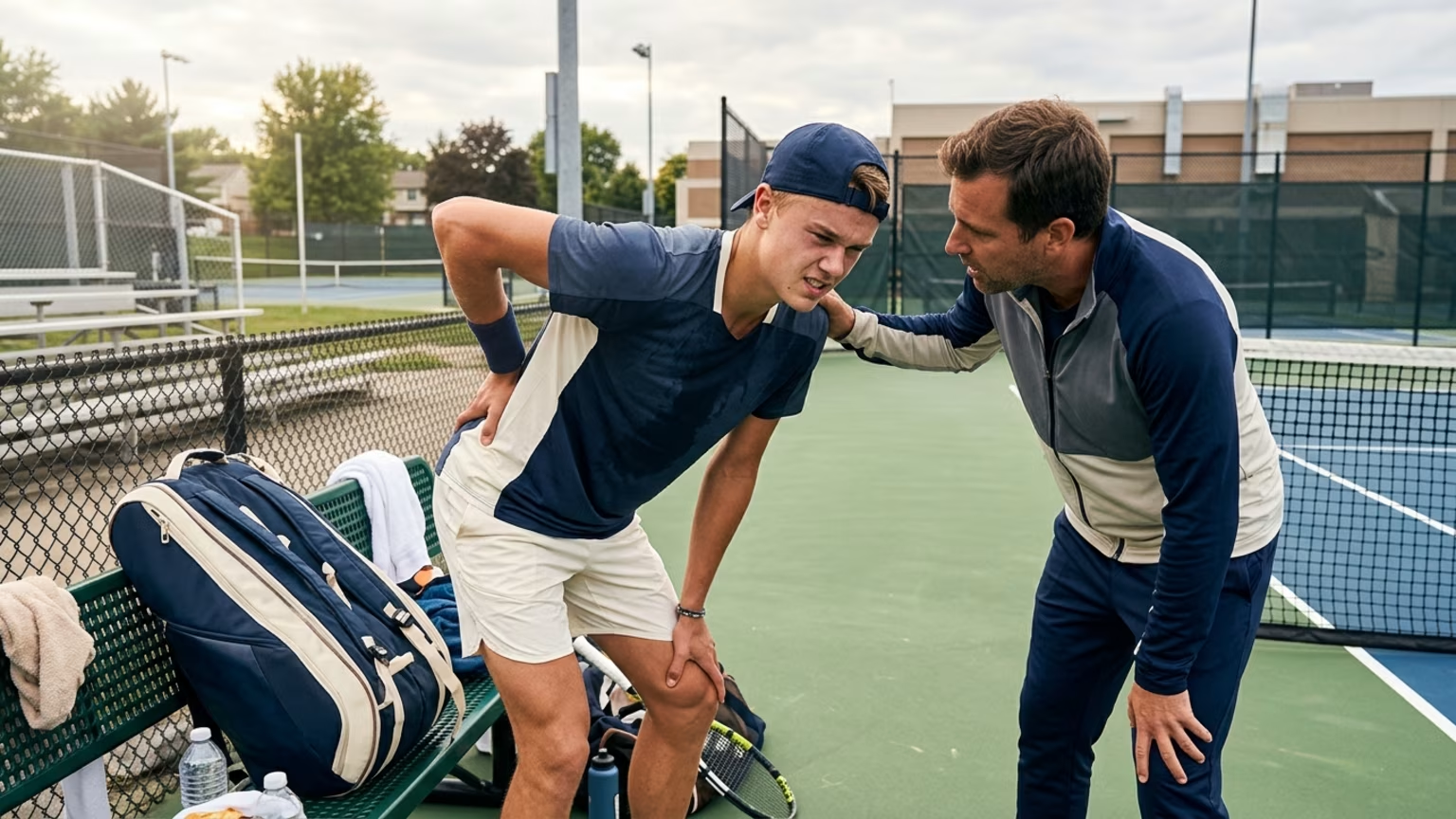
Holger Rune withdrew from the European Open with a back problem. The facts behind his decision and a grounded perspective for recreational players.

The Dink’s October 17 guide emphasizes deep returns, ball-height decisions and positioning against faster pickleball opponents.

A new report outlines padel and tennis gear trends. Learn how to assess adjustable rackets, sensor feedback and smart-court claims.
Read practical guidance for better movement, smarter preparation and a game that keeps working for you.
explore the Blog
