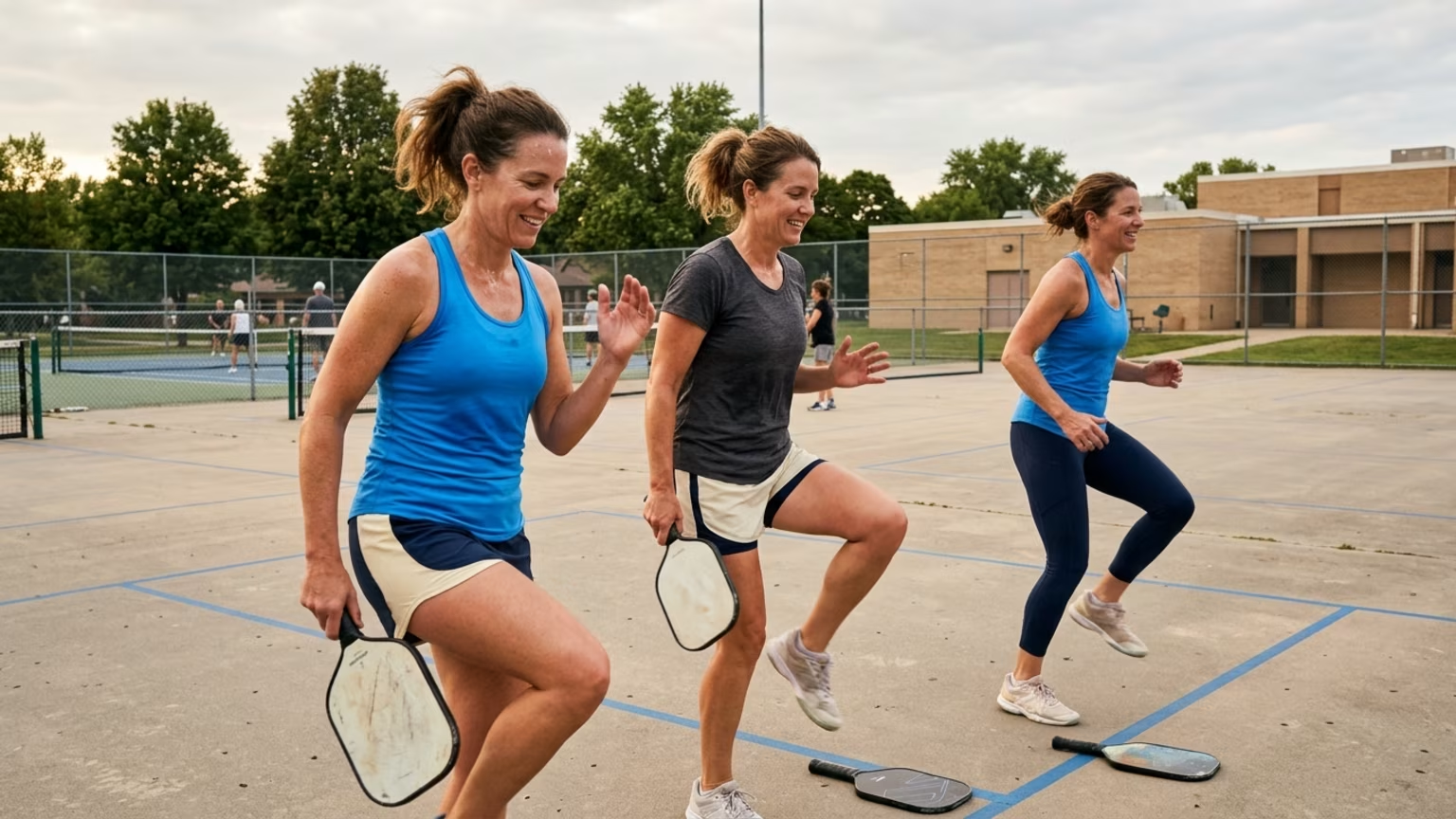

Prepare your calves, hips, and shoulders for racquet sports with this 10-minute dynamic warm-up featuring lateral lunges, mobility drills, and shadow swings.




Stepping onto the court without adequate preparation leaves your calves, hips, and shoulders vulnerable to the abrupt stops and rapid direction changes of racquet sports. This ten-minute dynamic routine safely raises your body temperature and prepares your joints for the specific lateral demands of match play.
The objective here is simple and practical court readiness. Prolonged static stretching before a match does little to prepare you for sudden sprints or overhead reaches. Instead, a targeted dynamic progression helps you maintain your physical capabilities and supports athletic longevity. By actively taking your joints through their available range of motion, you build confidence for the first point without wearing yourself out.
As sports-medicine guidance commonly recommends, a dynamic warm-up before pickleball should focus on rehearsing the actual movements you will perform during a match. The transition from everyday life to intense competition requires deliberate preparation. As one of our team members notes: "When I first started playing pickleball, I noticed how many people skipped warming up entirely. They would jump straight out of their cars and right up to the kitchen line. I tried doing that and immediately pulled a calf muscle. Pickleball requires just as much explosive lateral movement as tennis, just in a tighter space. Since then, I always spend five minutes doing dynamic lunges and ankle rolls. It changes everything about how confident I feel pushing off the baseline."
Following a progressive routine bridges the physical gap between resting and reacting. The standard recommended duration for a dynamic routine generally falls between five and ten minutes. This timeframe provides enough flexibility to address the most vulnerable areas of the body without eating into your match time. The following sequence compresses the most critical injury-prevention movements into an efficient progression.
Pickleball-specific guidance from Sedona Pickler suggests starting with one to two minutes of brisk walking or marching in place. The objective is to keep moving while progressively taking the joints through their available range of motion. This initial movement is much better than beginning with seated or held stretches.
The target is to feel warmer and more mobile without causing fatigue. If you arrive at the courts feeling especially stiff, you can easily extend this walking phase before adding any lateral movement. Older-player guidance recommends gentle and controlled movement. It advises stopping for sharp pain, dizziness, or shortness of breath. Always listen to your body and prioritize continuous motion over forcing your range of motion.
The calves absorb massive amounts of force during split steps and sudden accelerations. After your initial walking phase, transition into ankle circles in both directions. Next, perform controlled heel raises to wake up the lower legs.
Coresa Training recommends using a full range of motion with a slow lowering phase for calf raises. You can use a fence or a net post for balance if necessary. Taking your time on the lowering phase helps build eccentric strength. This specific muscular control protects your Achilles tendon during the rapid braking required in racquet sports.
The ability to push off laterally without hesitation is a fundamental part of great defense. Pickleball warm-up guidance emphasizes side steps and lateral movement to rehearse actions used on court. Begin with ten front-to-back leg swings per leg, followed by ten side-to-side leg swings per leg. According to the Sedona Pickler sequence, you should then add five to six lunges with a reach per side.
To perform the lateral lunge correctly, Coresa Training advises taking a wide step and sending the moving-side hip backward. Once the pattern is comfortable, keep the trailing leg relatively straight. If you have limited mobility, simply use a shorter step and a shallower range of motion. This allows you to gradually introduce the lateral demands of the game without overloading stiff joints.
Racquet sports demand repetitive torso twisting and constant shoulder engagement. Spend this block performing ten trunk rotations per side. Keep your arms relaxed and let your core drive the movement.
Next, move into ten forward and ten backward arm circles to prepare the shoulder joints. Try to maintain a steady and controlled pace. Coresa Training emphasizes that players who perform repeated overhead actions should also prioritize pulling and rear-shoulder work in their regular fitness routines. A well-rounded physical foundation makes these on-court preparations far more effective.
The final phase transitions from general mobility into actual gameplay mechanics. Spend about one minute performing shadow swings, practicing your forehands, backhands, and volleys.
Following this rehearsal, move onto the court for two to three minutes of easy dinks and serves. Sedona Pickler notes that you should gradually increase your intensity during this hitting phase before starting any competitive points. Keeping the ball in front of your body during these initial rallies is a smart way to prevent excessive shoulder reach. Once you feel sharp, you are ready to start scoring.
While the foundational movements remain similar, you should adapt your warm-up to the distinct biomechanical demands of your chosen sport. The court geometry heavily influences the physical toll on your body. Understanding how to properly prepare for the first point means adjusting your rehearsal phase to match the environment. Knowing your sport allows you to direct your focus where it is needed most.
Tennis players need to prepare for longer sprints and heavier rotational forces from the baseline. A full groundstroke requires intense lower-body power transferring up through the kinetic chain. If you are playing tennis, you should focus on deeper lateral lunges and more aggressive shadow swings during the final minutes. The larger court requires a greater emphasis on wide, explosive push-offs.
Pickleball involves tighter spaces, rapid direction changes, and constant leaning at the kitchen line. Pickleball players should focus heavily on calf preparation and shallow, quick lateral shuffles. Incorporating specific drills to improve essential footwork skills will help you handle the abrupt braking required near the net.
Padel demands extreme multi-directional movement, frequent backward steps, and overhead smashes. The enclosed structure of a padel court creates unique defensive situations that rarely occur in other racquet sports. Padel players should increase their shoulder rotation work and dedicate extra time to backward shadow swings. Preparing your body for glass rebounds requires exceptional spatial awareness and lateral agility.
Follow Evercourts for practical insights on tennis, pickleball and padel performance, movement, recovery and healthy ageing. Stay connected for new articles, research-led guidance and ideas to help you play well and keep playing for years.


An evidence check on sports supplements like tart cherry juice. Learn why racquet sports players should prioritize core nutrition over functional foods.
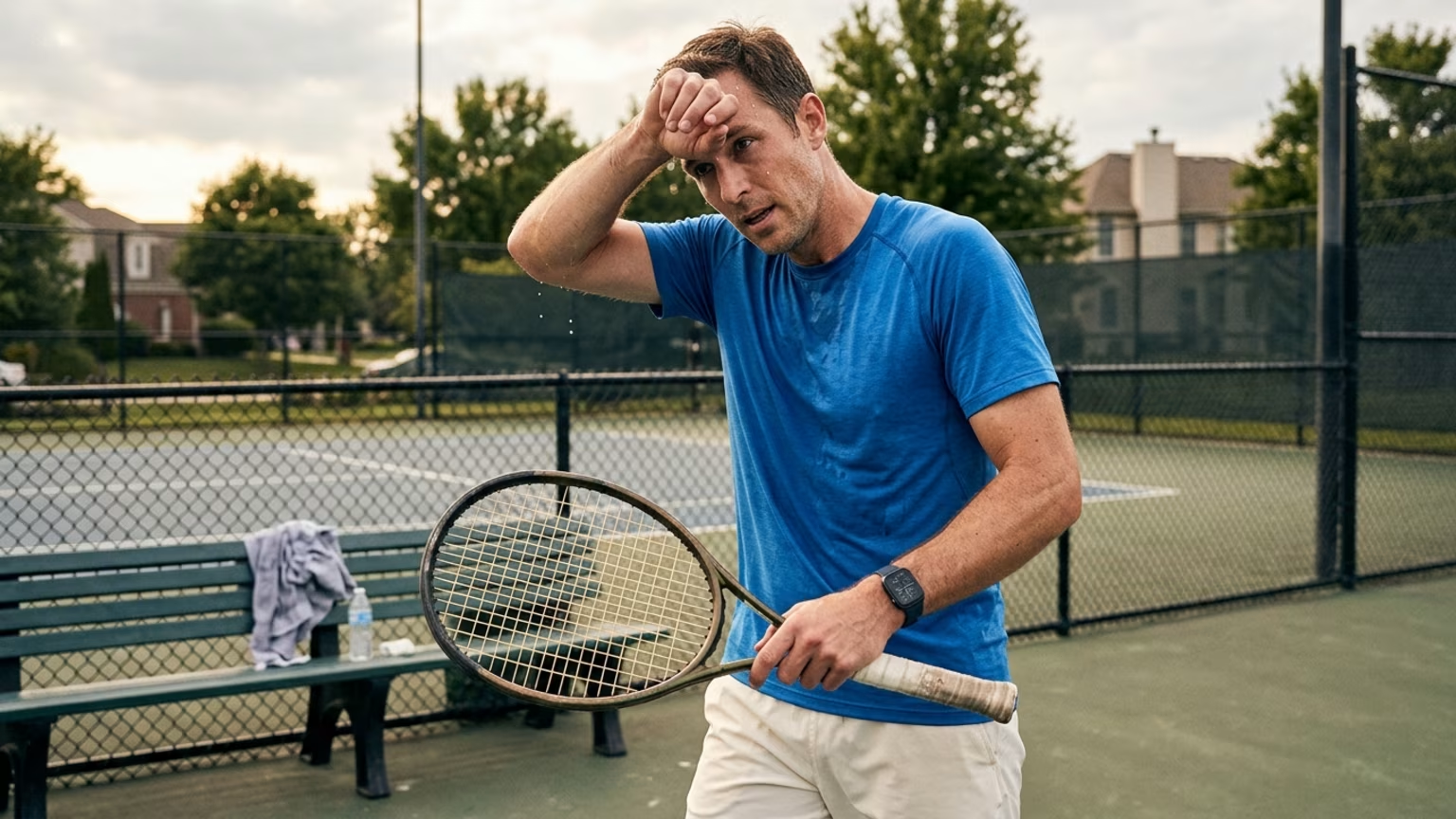
In late 2026, Oura analyzed wearable data to see how recreational tennis impacts heart health and recovery. Learn what this means for your athletic longevity.
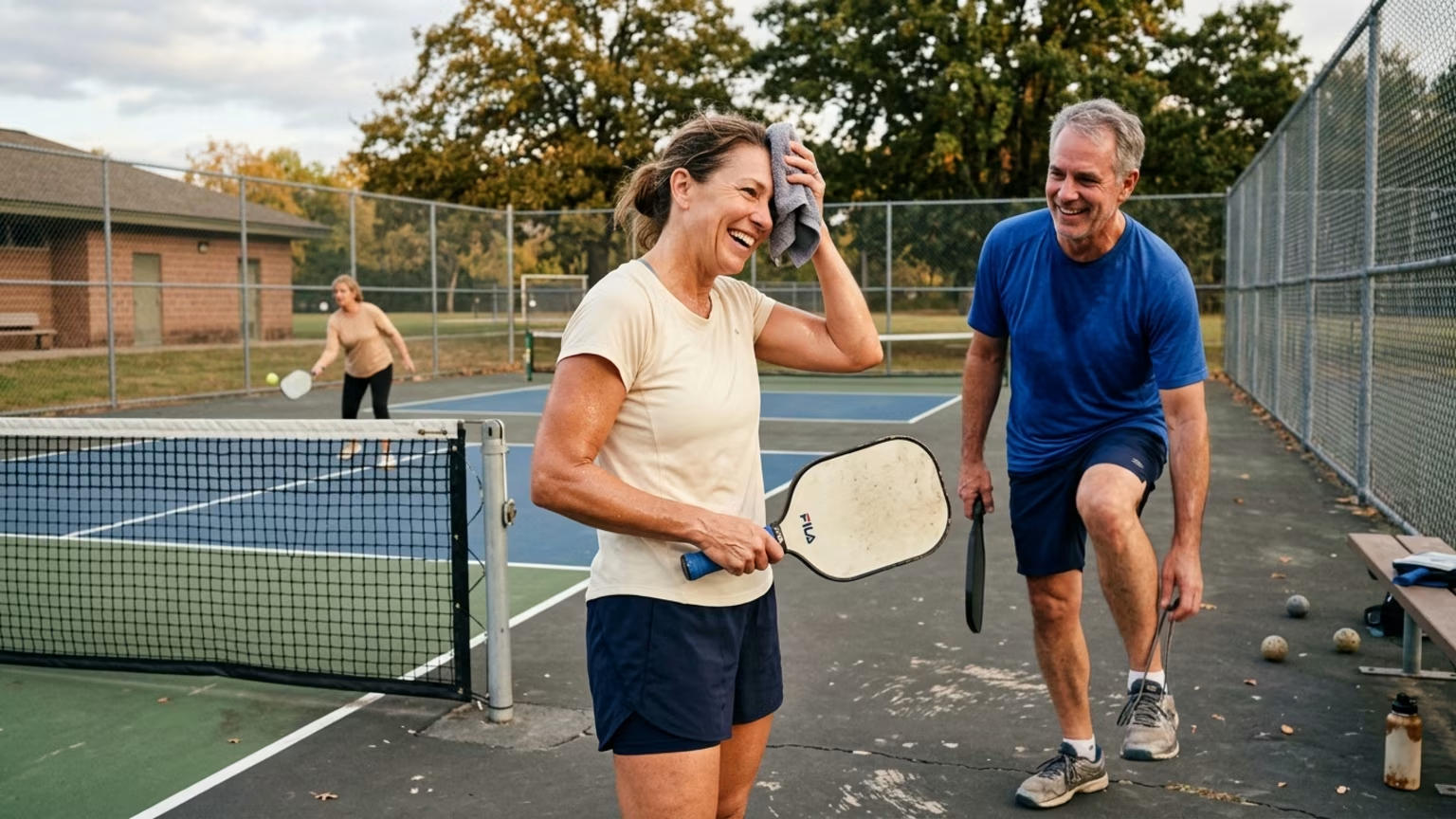
Recent guidelines emphasize gradual progression, dynamic warm-ups, and scheduled recovery to help adult racquet sports players maintain athletic longevity.
Read practical guidance for better movement, smarter preparation and a game that keeps working for you.
explore the Blog
