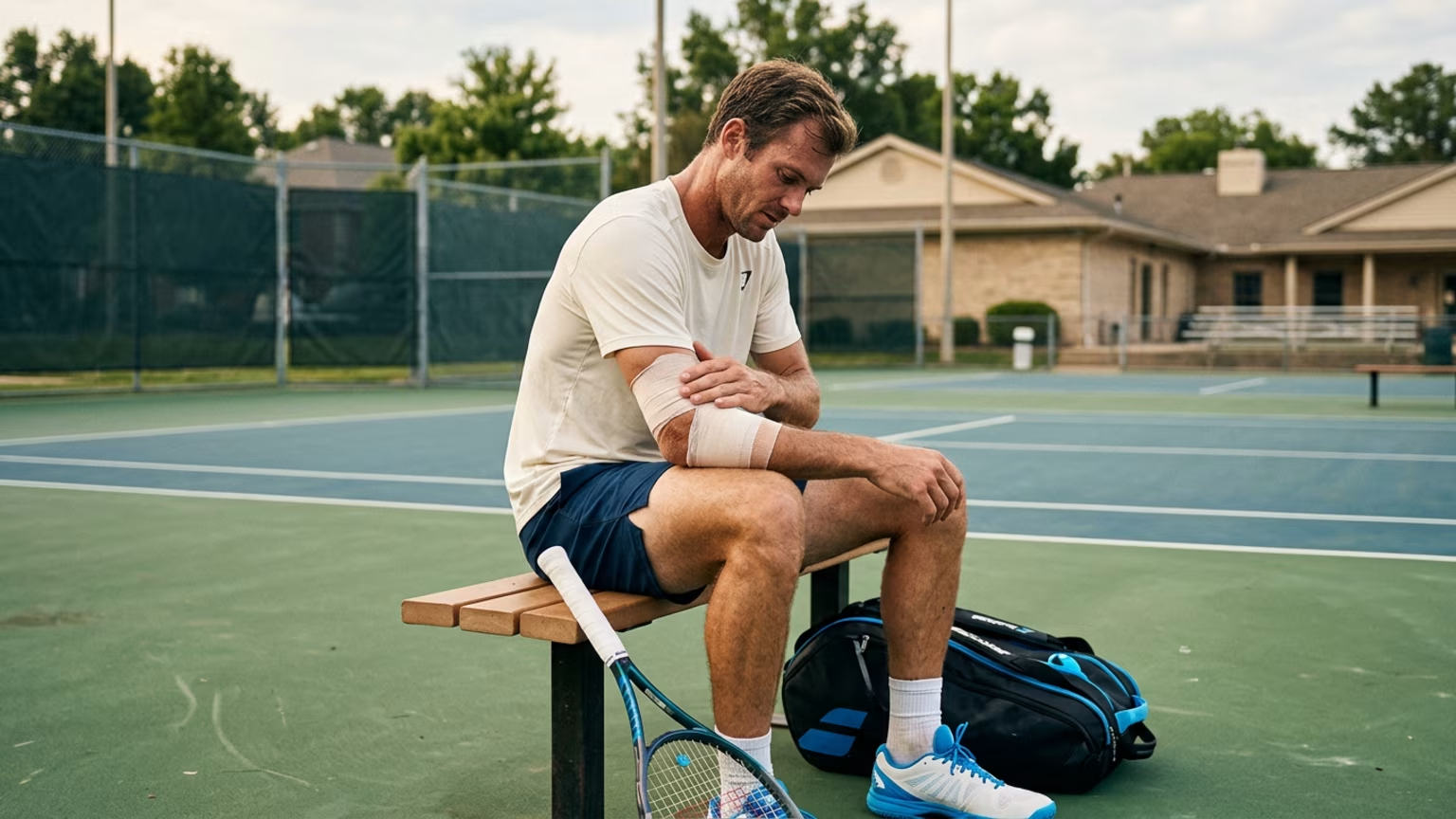

Tommy Paul withdrew from the 2026 Laver Cup after a US Open elbow injury. Learn how recreational racquet sports players can manage late-season joint fatigue.




In September 2026, American player Tommy Paul formally withdrew from the Laver Cup following an elbow injury sustained during his US Open campaign. The late withdrawal removes the world No. 19 from the competition just weeks before the event begins. The tournament is scheduled for September 25 through September 27 at London's O2 Arena. Paul was unable to recover in time to participate, forcing Team World to quickly adapt its strategy.
Argentina's Francisco Cerúndolo was called up to replace Paul on the Team World roster. The substitution adds a highly seasoned competitor to the squad. Cerúndolo is making his fourth consecutive Laver Cup appearance, giving the team a reliable asset under pressure. Following the change, Team World's reported lineup now consists of Ben Shelton, Taylor Fritz and Learner Tien alongside Alex de Minaur, Alexander Bublik and Cerúndolo.
This replacement means Team World now features three American players instead of four. Shelton, Fritz and Tien remain as the core American contingent for the squad. The timing of this withdrawal highlights the physical toll exacted by the final major tournament of the year. According to reporting from TennisUpToDate, Paul also missed the previous year's Laver Cup after picking up an injury at the final Grand Slam of the season.
Professional schedules routinely force players to transition directly from a major tournament to a demanding team event. When a professional athlete suffers an injury at the US Open, it can easily derail their participation in competitions scheduled closely afterward. Recreational players should view this dynamic as a practical lesson in athletic load management. An injury incurred during one weekend tournament can and will affect your availability for the next league match.
Adult racquet athletes frequently try to play through elbow symptoms instead of making necessary schedule modifications. We often see players attempting to maintain their standard volume of tennis, pickleball or padel despite increasing pain. This stubborn approach usually turns a minor symptom into a persistent issue that forces a complete halt to play. If pain appears during serving or overheads, you should reduce the specific activities that reproduce those symptoms.
We have learned firsthand how important proactive management is for athletic longevity. I remember finishing a tough two hour padel match on a cold Tuesday night and waking up the next morning feeling like my lower back was locked in concrete. For a long time, I just accepted this as the price of playing hard in my forties. But once I started spending just ten minutes on targeted hip mobility before heading to the club, the stiffness almost completely vanished. It taught me that we do not have to accept pain as a default condition of getting older.
While that specific experience centered on spinal mobility, the identical principle applies to joint stress in the upper body. When an elbow issue surfaces, the worst decision a player can make is to ignore the physical signal. Players must remember that pain around the joint is not automatically a classic case of tennis elbow. The available reporting does not confirm Paul's specific diagnosis, and recreational players should similarly avoid self-diagnosing based on a news story. You should seek an assessment from a qualified clinician if pain persists, worsens or causes a meaningful loss of grip function.
Professionals rely on extensive medical teams to navigate the short turnaround between a Grand Slam and subsequent team events. Adult amateurs lack those resources, making careful recovery planning even more critical between their own tournaments. Players who compete heavily on weekends need to build intentional rest periods into their monthly schedules. Treating every social session and competitive match as an isolated workload often leads directly to cumulative fatigue.
A sensible approach requires you to reintroduce racquet load gradually after any acute flare-up. You should begin with lower-intensity hitting and carefully monitor your symptoms during play. Increase your court time only if the joint remains settled the following morning. Players who follow a structured return to play program are much less likely to trigger a relapse.
We also recommend looking closely at how elite players handle continuous play versus rest. You can read more about how the professional schedule forces these decisions in our coverage of managing constant competition fatigue. The core message is that an injury can easily carry over into your next scheduled competition. Prompt evaluation and sensible workload modification will always help you make safer, more sustainable decisions on the court.
Each racquet sport places unique demands on the elbow, and recognizing these differences helps players manage their specific risks. Tennis players often stress the joint through heavy topspin forehands and explosive serves. The heavy ball and long racquet create significant leverage forces that the forearm muscles must actively absorb. When you transition between different court surfaces, those impact forces can change abruptly and catch the body unprepared.
Pickleball might involve a smaller court and a lighter paddle, but the sheer frequency of ball contact adds up very quickly. The quick exchanges at the kitchen line demand constant rapid acceleration and deceleration of the paddle head. This repetitive stress can irritate the tendons if a player jumps into a high volume of matches without any physical preparation. We consistently remind players that preventing joint overload starts with a proper foundation in fundamental stroke mechanics.
Padel introduces its own set of variables due to the heavier solid paddle and the nature of continuous overhead shots. Hitting powerful bandejas and smashes requires the elbow to stabilize against a heavy, rigid impact. Playing multiple matches a week without adequate recovery can easily overload the surrounding structures. Adult players must treat these symptoms as a serious load management signal rather than a minor annoyance to push through.
The conclusion of the US Open and the start of team events marks a difficult physical transition for professional players. Over the coming months, we will watch how the remaining competitors manage their workloads on indoor hardcourts. Late season fatigue is a highly documented reality, and scheduling decisions become increasingly tactical as the year concludes. Players who prioritize strategic rest are likely to finish the calendar in a much stronger physical position.
The Laver Cup will test the resilience of those who played deep into the second week in New York. We anticipate that team captains will have to monitor their athletes closely to avoid exacerbating any lingering tournament fatigue. The physical demands of the professional tour highlight exactly why disciplined workload management is non-negotiable for athletes at every level.
Follow Evercourts for practical insights on tennis, pickleball and padel performance, movement, recovery and healthy ageing. Stay connected for new articles, research-led guidance and ideas to help you play well and keep playing for years.


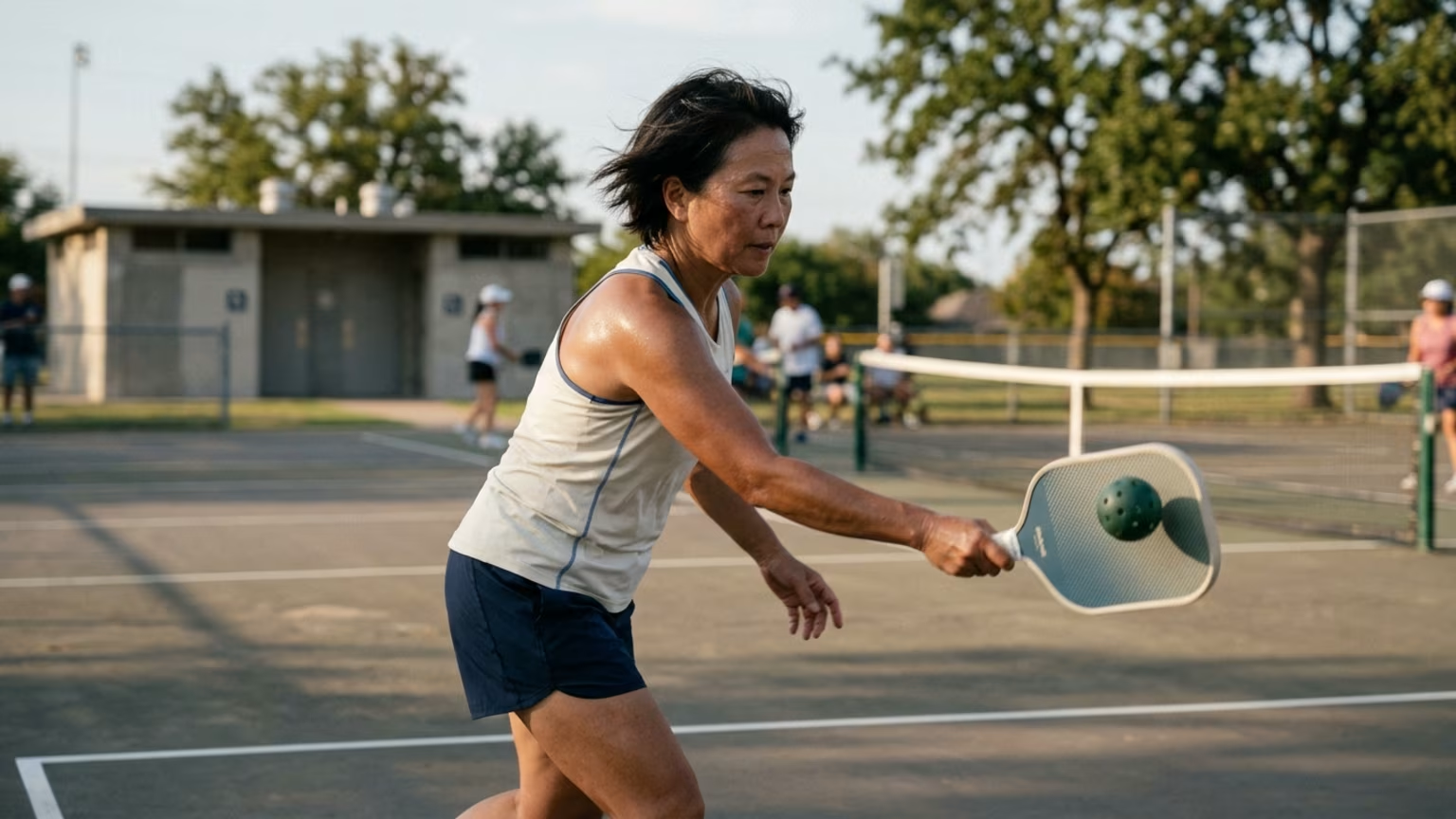
A recent live-play test of a silent pickleball highlights its value for practice, but standard balls still perform better for match play and power control.

An evidence check on sports supplements like tart cherry juice. Learn why racquet sports players should prioritize core nutrition over functional foods.
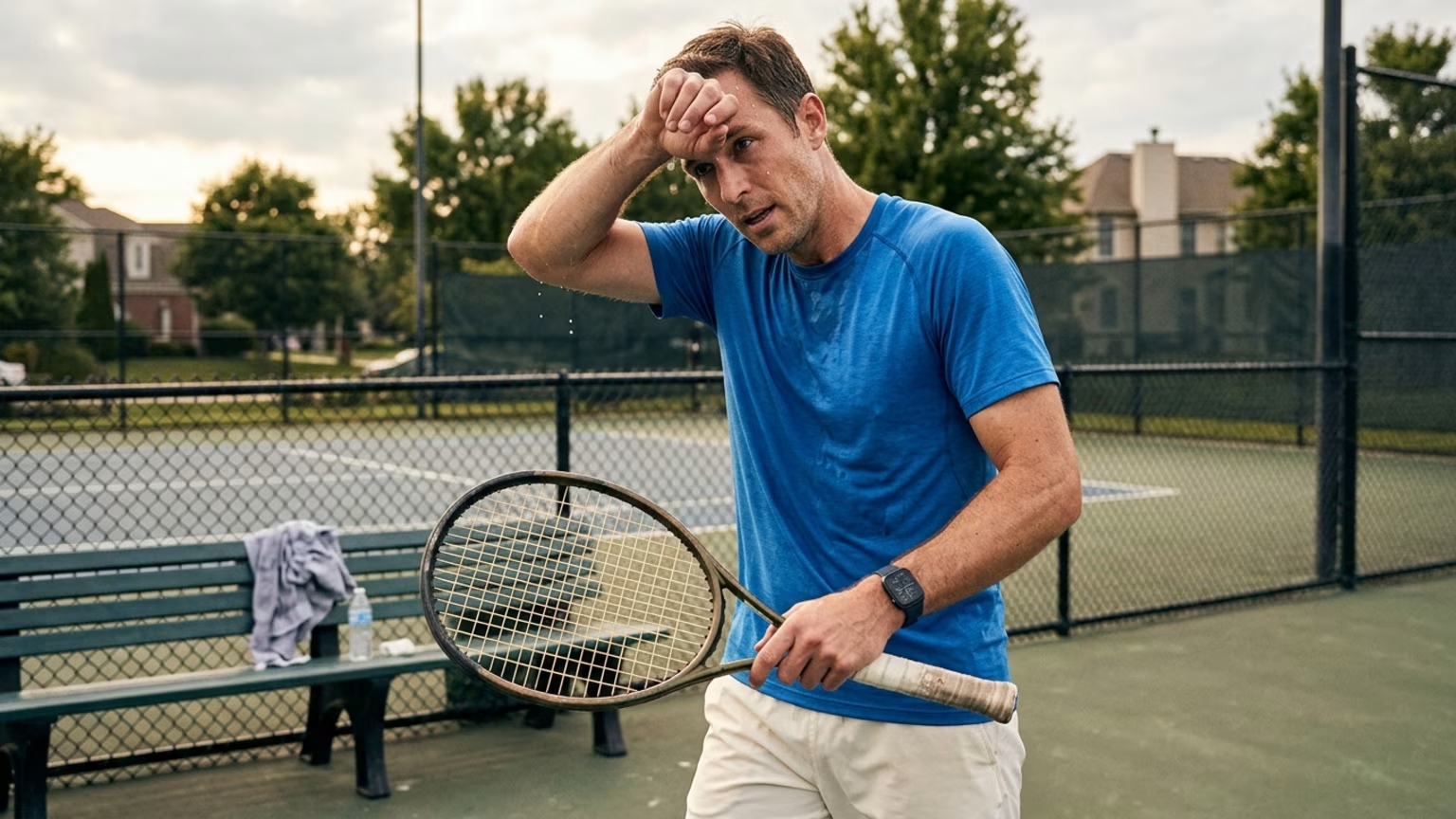
In late 2026, Oura analyzed wearable data to see how recreational tennis impacts heart health and recovery. Learn what this means for your athletic longevity.
Read practical guidance for better movement, smarter preparation and a game that keeps working for you.
explore the Blog
