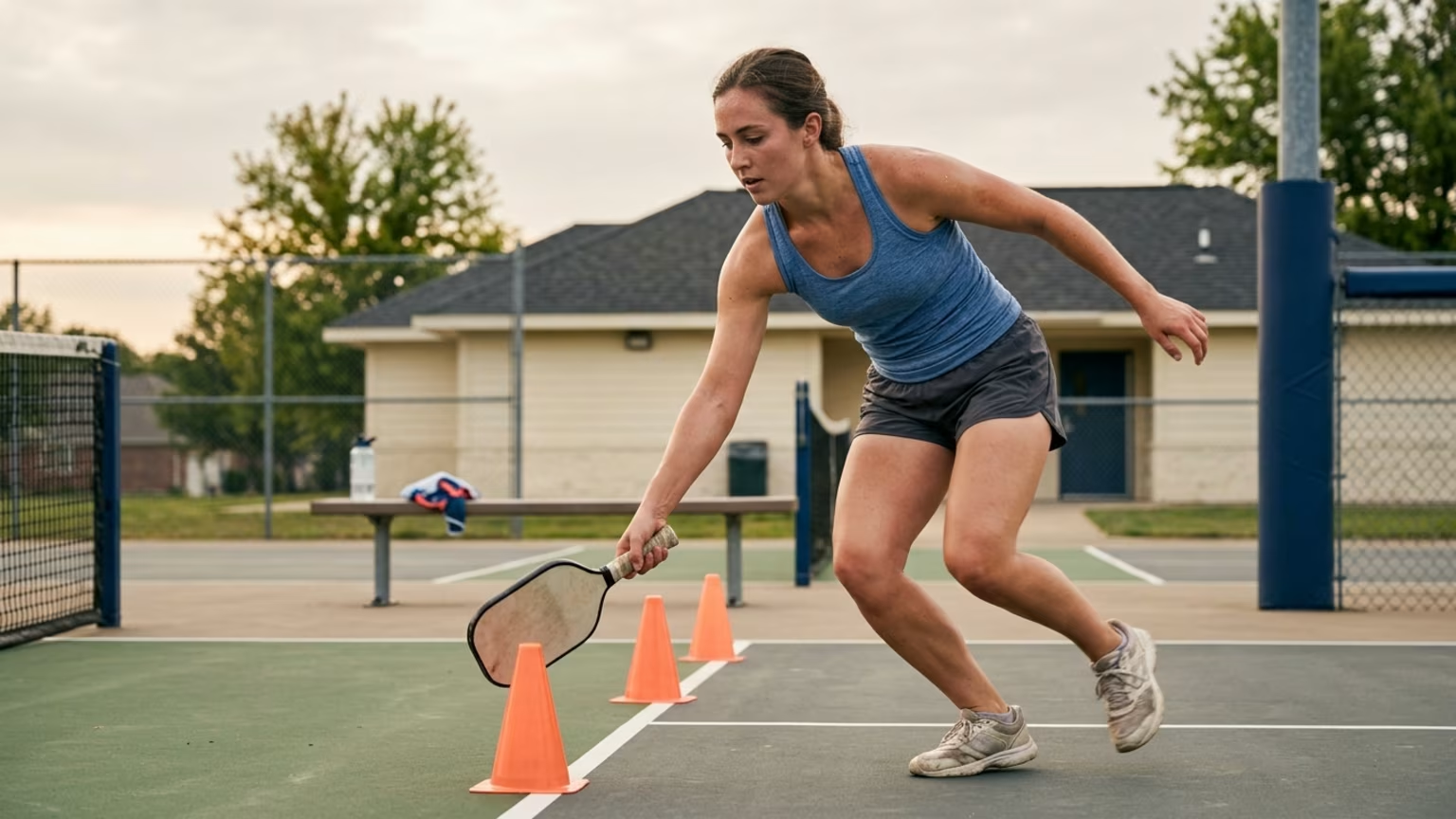

Learn how tennis, pickleball and padel players can train their first step with practical reaction drills. Improve court movement and support athletic longevity.




The first step in racquet sports is the initial explosive push a player makes after processing an opponent's shot. It bridges the gap between seeing the ball and physically moving to intercept it. This rapid decision dictates how well a player covers the court space. A strong initial movement allows you to reach the ball in a balanced position.
Poor reaction time leads to scrambling, overreaching and hitting off balance. Good court movement relies on reading visual cues accurately. The ability to connect visual recognition with physical action defines a capable player.
Tennis, pickleball and padel require constant physical adjustments to unpredictable external factors. Players must repeatedly decelerate, stabilize and push off in entirely new directions. These sports force the lower body to generate high forces from a static or split-step position. This repeated demand taxes the calves, quadriceps and hips heavily.
Reacting late means the body has to work harder to cover the exact same distance. Your energy systems drain quickly when movement becomes inefficient or rushed. Proper preparation makes every subsequent movement feel lighter and more controlled. Without a solid foundation of readiness, players fatigue much faster during long rallies.
When our team first started playing pickleball, we noticed how many people skipped warming up entirely. They would jump straight out of their cars and right up to the kitchen line. We tried doing that and immediately pulled a calf muscle. Pickleball requires just as much explosive lateral movement as tennis, just in a tighter space.
Since then, we always spend five minutes doing dynamic lunges and ankle rolls. It changes everything about how confident we feel pushing off the baseline. Properly warming up the lower legs prepares the physical structure for sudden directional changes. Preparing the muscles helps players train the movements behind better footwork safely.
Current coaching guidance emphasizes controlled reactions rather than blind guessing. According to Pickleball Coach Dave, players can practice this using a simple partner drill. The player starts in a ready position while a caller gives random cues to move left, right, forward or backward. The player split-steps, moves under control, balances at a marker and returns to center.
This specific drill format keeps the practice highly structured and manageable. The listed session lasts exactly eight minutes, with eight random cues before partners switch roles. This is practical practitioner guidance for beginner to intermediate players. It focuses entirely on building the habit of reacting to a sound or visual cue.
The focus should always remain on establishing control before adding any speed. The suggested progression for this pickleball drill is to add a shadow forehand or backhand after the movement. Players then advance to hitting a gentle hand-fed ball from their partner. Adding the ball only happens once the footwork feels natural and stable.
The essential coaching cues here emphasize reacting after the signal, keeping the split-step small and arriving balanced. The source advises against adding speed before control is fully established. Rushing the progression often leads to sloppy footwork and poor balance. Practicing these controlled steps builds a reliable foundation for match play.
Tennis requires a slightly different approach to timing the critical split-step. A World Tennis Federation guide recommends beginning in a balanced, athletic stance. Players should make a light hop as the opponent starts their forward swing. The goal is to land just after contact so the player can recognize the ball's direction before pushing off.
Practicing this timing takes patience, attention and deliberate repetition. The tennis guide suggests first practicing with a partner saying the word "hop" exactly at contact. Players then remove the verbal cue entirely and practice recovering before repeating the sequence. These drills are published coaching suggestions rather than clinical prescriptions.
They offer structured ways to train movement patterns safely and effectively. The available research does not claim these drills magically prevent injuries. They are simply practical tools for improving a player's reaction process on the court. Consistent repetition of these drills helps bridge the gap between practice and match conditions.
Understanding how to react efficiently supports true athletic longevity on the court. Efficient movement drastically reduces the total physical stress placed on the joints during a match. When players read cues well, they avoid the frantic, last-second lunges that often cause muscle strains. Maintaining this physical capability helps adult players enjoy racquet sports for years to come.
Recognizing early cues allows older athletes to compete effectively against faster, younger opponents. Practice keeps the connection between visual processing and physical response incredibly sharp. Connecting this skill with how court geometry changes the physical toll on your body ensures sustainable, smart play. Players who move efficiently rarely find themselves caught completely out of position.
Consistent rest also plays a vital, non-negotiable role in reaction speed. We used to think a tough conditioning block was the only way to improve our court endurance. Then we started tracking our sleep. We noticed that on days we slept less than six hours, our reaction time at the net was noticeably sluggish, and we felt gassed by the second set.
Prioritizing consistent rest did more for our late match stamina than any extra sprints ever did. Recovery is the true foundation of performance. A well-rested brain processes visual information from the opponent much faster. This improved processing speed translates directly into a better, quicker first step.
Some physical discomfort requires professional attention rather than more practice. Pain that flares up during a split-step or lateral push is a clear signal to stop playing immediately. Lingering joint swelling after a match always warrants an evaluation by a qualified physiotherapist. Persistent tightness that does not improve with a structured, 12-minute court-ready warm-up should not be ignored.
A healthcare provider can identify underlying muscular imbalances before they become chronic injuries. Addressing small warning signs early keeps dedicated players off the sidelines. Proper clinical assessment ensures your training load matches your actual physical readiness. Playing through sharp pain is never a badge of honor for recreational athletes.
A professional can also provide specific mobility exercises tailored to your individual movement restrictions. They understand exactly how the demands of lateral sports affect the aging body. Consulting a physio ensures you have a medically sound plan for staying active. It is the smartest step a player can take to protect their long-term health.
The ability to move gracefully on a court rarely comes from pure speed alone. It comes from the quiet, consistent practice of reading, preparing and reacting with control.
Follow Evercourts for practical insights on tennis, pickleball and padel performance, movement, recovery and healthy ageing. Stay connected for new articles, research-led guidance and ideas to help you play well and keep playing for years.


An evidence check on sports supplements like tart cherry juice. Learn why racquet sports players should prioritize core nutrition over functional foods.
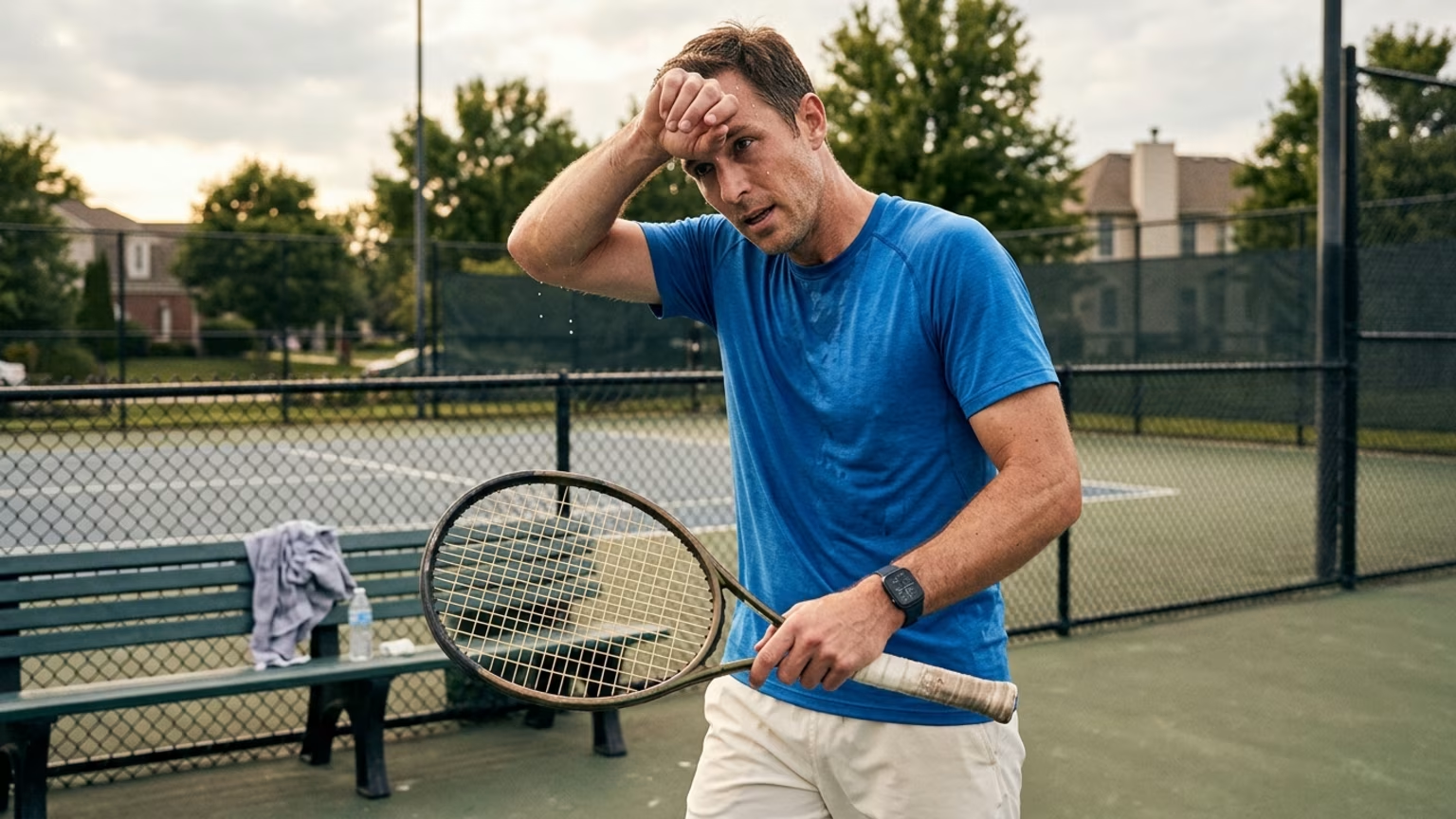
In late 2026, Oura analyzed wearable data to see how recreational tennis impacts heart health and recovery. Learn what this means for your athletic longevity.
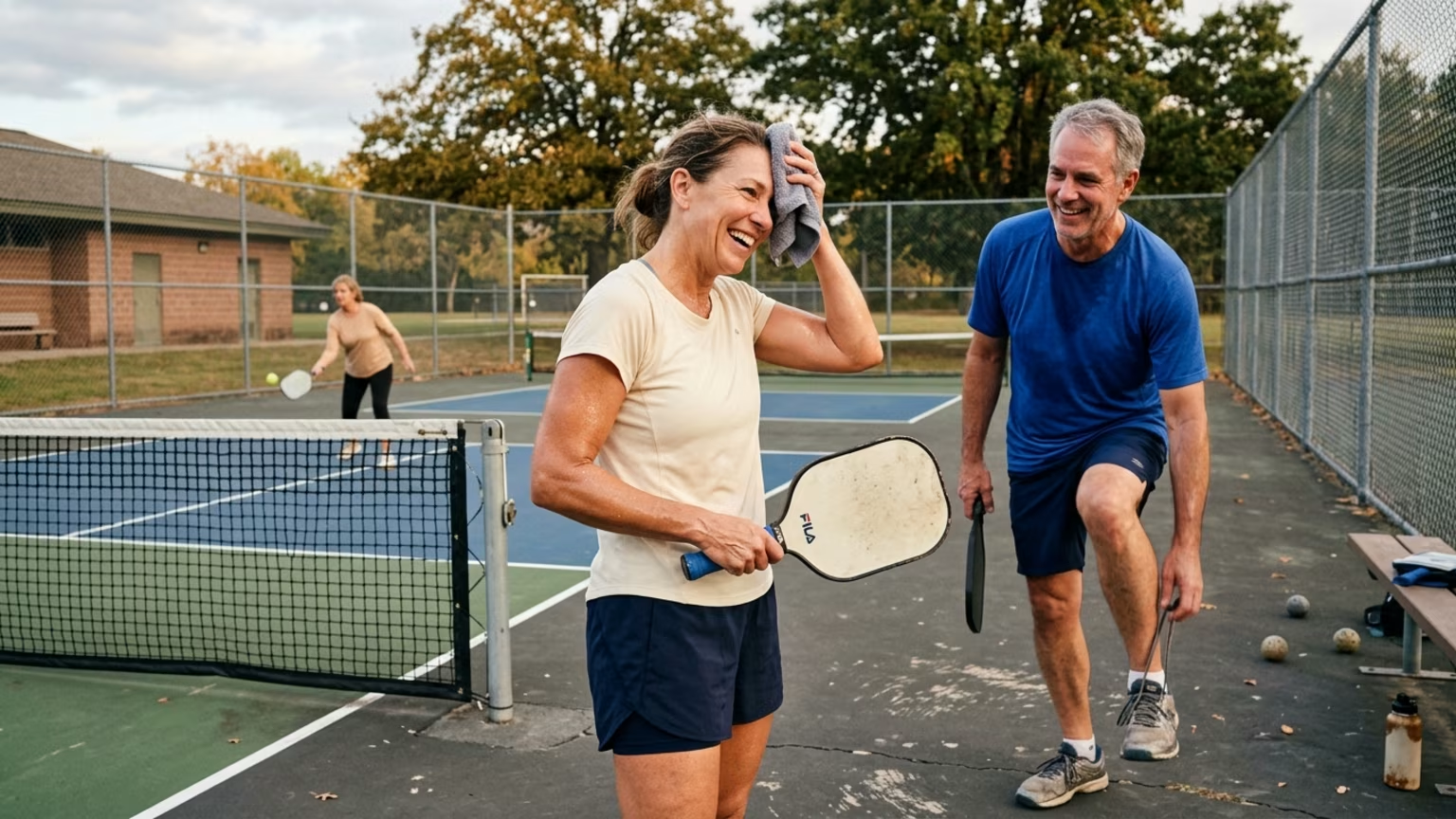
Recent guidelines emphasize gradual progression, dynamic warm-ups, and scheduled recovery to help adult racquet sports players maintain athletic longevity.
Read practical guidance for better movement, smarter preparation and a game that keeps working for you.
explore the Blog
