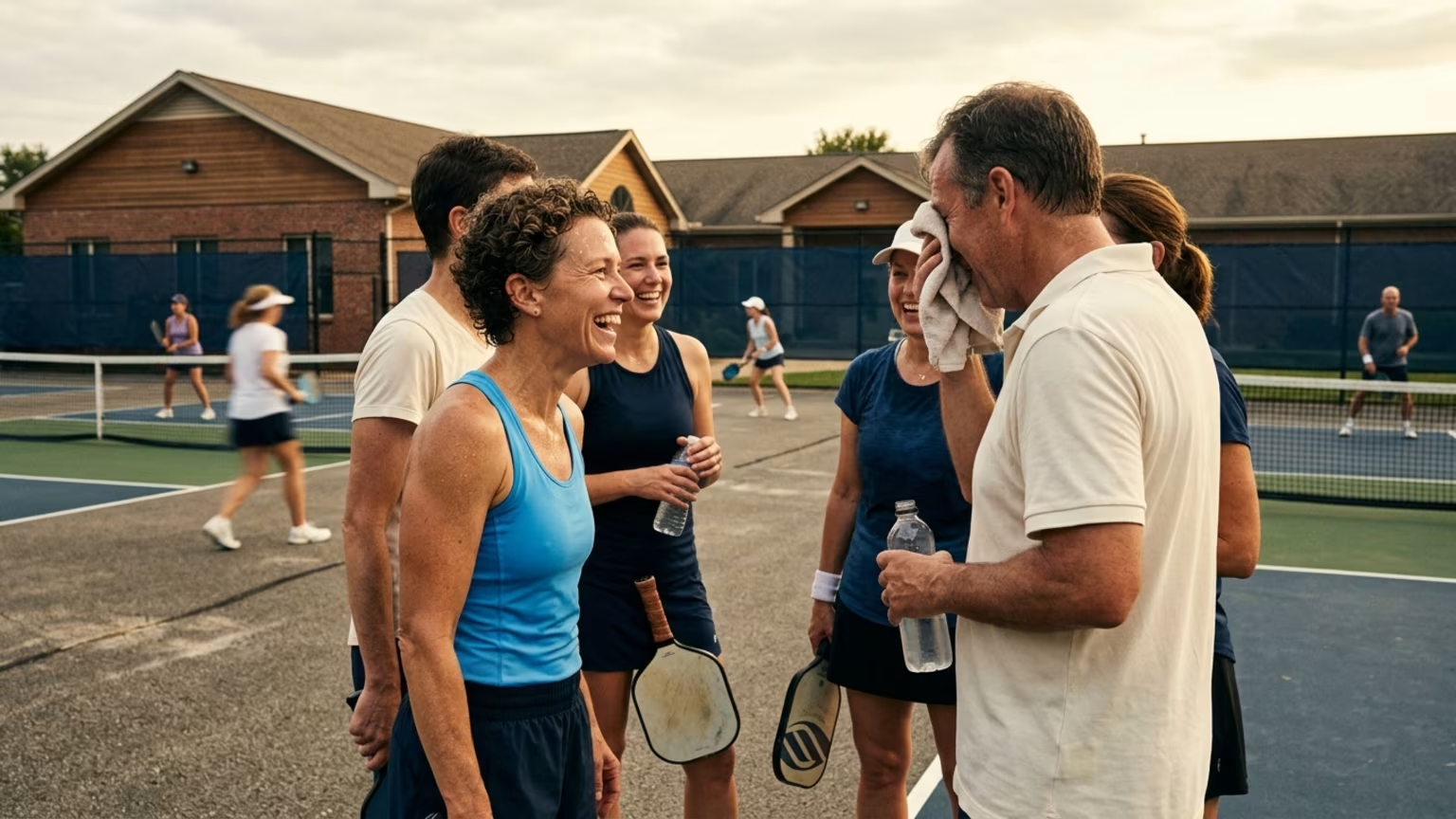

A practical guide to the features that make a racquet sports club worth returning to, from clear court booking systems to reliable partner-matching programs.




What makes a racquet club a place you will keep coming back to? A facility earns your long-term loyalty by actively supporting your skill progression and removing the friction of finding suitable playing partners.
Many adult players step away from racquet sports during busy chapters of their lives. When they finally decide to pick up a racquet again, walking into an unfamiliar facility can feel intimidating. Clubs that retain these returning players focus on structured support rather than just selling court time. The German Tennis Federation’s 2026 article on adults returning to tennis provides useful examples of this welcoming approach.
It points to returner meetups, partner-matching services, and buddy systems as practical ways to lower barriers. These structured social entry points reduce the anxiety of arriving at a club without a regular hitting partner. Offering trial memberships and introductory sessions also helps new arrivals test the environment safely. Providing loaner racquets is another simple practice the federation identifies to make that very first step easier before players must consider maintaining or upgrading gear.
When a facility combines these accessible entry points with early integration into training groups or teams, adults are far more likely to establish a routine. Finding a club that utilizes these methods is a crucial step when selecting a racquet club for athletic longevity. The goal is to move players seamlessly from their first introductory session into regular weekly play. A robust partner-matching service ensures that returning adults do not have to rely on their own networking skills to find a match.
Buddy systems pair newer members with established players to build immediate social connection. Facilities that prioritize these organizational details create an environment where members naturally want to stay.
A supportive facility recognizes that players need more than just empty courts to maintain their physical capabilities as they age. Athletic longevity requires a careful blend of consistent physical activity and reliable social integration. When evaluating a club, look for programming that intentionally brings members together outside of highly competitive league matches. Facilities that integrate general fitness goals with casual racquet play often build a much stronger sense of community.
A recent commercial example illustrates how this combination can work in practice for older demographics. Life Time’s 2026 ARORA announcement details an offering specifically designed for adults aged 55 and older. The company describes this program as combining group fitness with targeted social activities. These activities include pickleball mixers, workshops, coffee meetups, and dedicated clubs.
While this represents one commercial approach, it highlights the importance of combining racquet-sport social play with broader community events. The best club environments actively encourage players to focus on their overall physical readiness before stepping onto the court. In our experience on the court, overall physical readiness matters.
I remember finishing a tough two hour padel match on a cold Tuesday night and waking up the next morning feeling like my lower back was locked in concrete. For a long time, I just accepted this as the price of playing hard in my forties. But once I started spending just ten minutes on targeted hip mobility before heading to the club, the stiffness almost completely vanished. It taught me that we do not have to accept pain as a default state of aging.
Clubs that host mobility workshops or fitness sessions alongside racquet sports naturally support this proactive mindset.
The best club experience often depends entirely on which specific racquet sport you play the most. Different racquet sports like tennis and padel have unique matching needs and spacing requirements. When conducting a facility audit for long-term play, pay close attention to how the management schedules these distinct activities. A mixed-sport facility must effectively balance the quiet concentration needed for a tennis league with the energetic atmosphere of a pickleball mixer.
In tennis, retaining adult members often relies heavily on structured leagues and consistent training groups. The German Tennis Federation explicitly identifies early integration into teams as a key club practice to consider for adult returners. Padel thrives on dynamic four-player social interactions. This makes partner-matching services and buddy systems incredibly valuable for new padel members trying to build a regular rotation.
A reliable buddy system can ensure that padel players always have a steady group of appropriate opponents. Pickleball communities frequently emphasize large open-play formats and flexible social mixers over rigid league play. Life Time’s ARORA offering demonstrates this cultural preference by explicitly pairing pickleball mixers with coffee meetups for older adults. You want a facility that understands these subtle sport differences and tailors its community support accordingly.
If you play multiple sports, ensure the club offers distinct social pathways for each discipline rather than a generic approach. Proper scheduling keeps court availability fair and ensures everyone gets the match experience they truly want. Both elements are absolutely essential for building a sustainable and enjoyable weekly routine. However, a thriving community cannot exist without reliable, fair access to the playing surface.
If a booking system is frustrating or peak hours are heavily restricted, even the best buddy systems will fail to keep you engaged. You should actively ask current members about peak hour availability and equipment access before signing any long-term contract. Clubs that offer trial memberships give you a highly practical window to test these daily logistics firsthand. The German Tennis Federation’s 2026 article correctly highlights trial memberships as a key way to lower barriers for incoming adults.
Use this trial period strictly to verify that you can actually book a court during your preferred playing times. Assessing these operational details early prevents future frustration and protects your long-term enthusiasm for the sport. In our experience, proper schedule management is just as critical as the facility itself.
I used to think a tough conditioning block was the only way to improve my court endurance. Then I started tracking my sleep. I noticed that on days I slept less than six hours, my reaction time at the net was noticeably sluggish, and I felt gassed by the second set. Prioritizing consistent rest did more for my late match stamina than any extra sprints ever did.
Recovery is the true foundation of performance. A club located closer to home with smoother booking policies can significantly help you maintain that vital sleep schedule. The overall operational quality of a club determines how easily you can fit racquet sports into a busy lifestyle. Facilities that combine clear digital booking systems with welcoming, low-barrier access points naturally build higher retention.
When the friction of playing is removed, you can fully focus on the enjoyable aspects of court life.
The most rewarding racquet clubs combine practical court access with intentional support for your physical progression and social connection. Finding a facility that prioritizes these community structures will help you stay active and enjoy the sport for decades.
Follow Evercourts for practical insights on tennis, pickleball and padel performance, movement, recovery and healthy ageing. Stay connected for new articles, research-led guidance and ideas to help you play well and keep playing for years.


An evidence check on sports supplements like tart cherry juice. Learn why racquet sports players should prioritize core nutrition over functional foods.
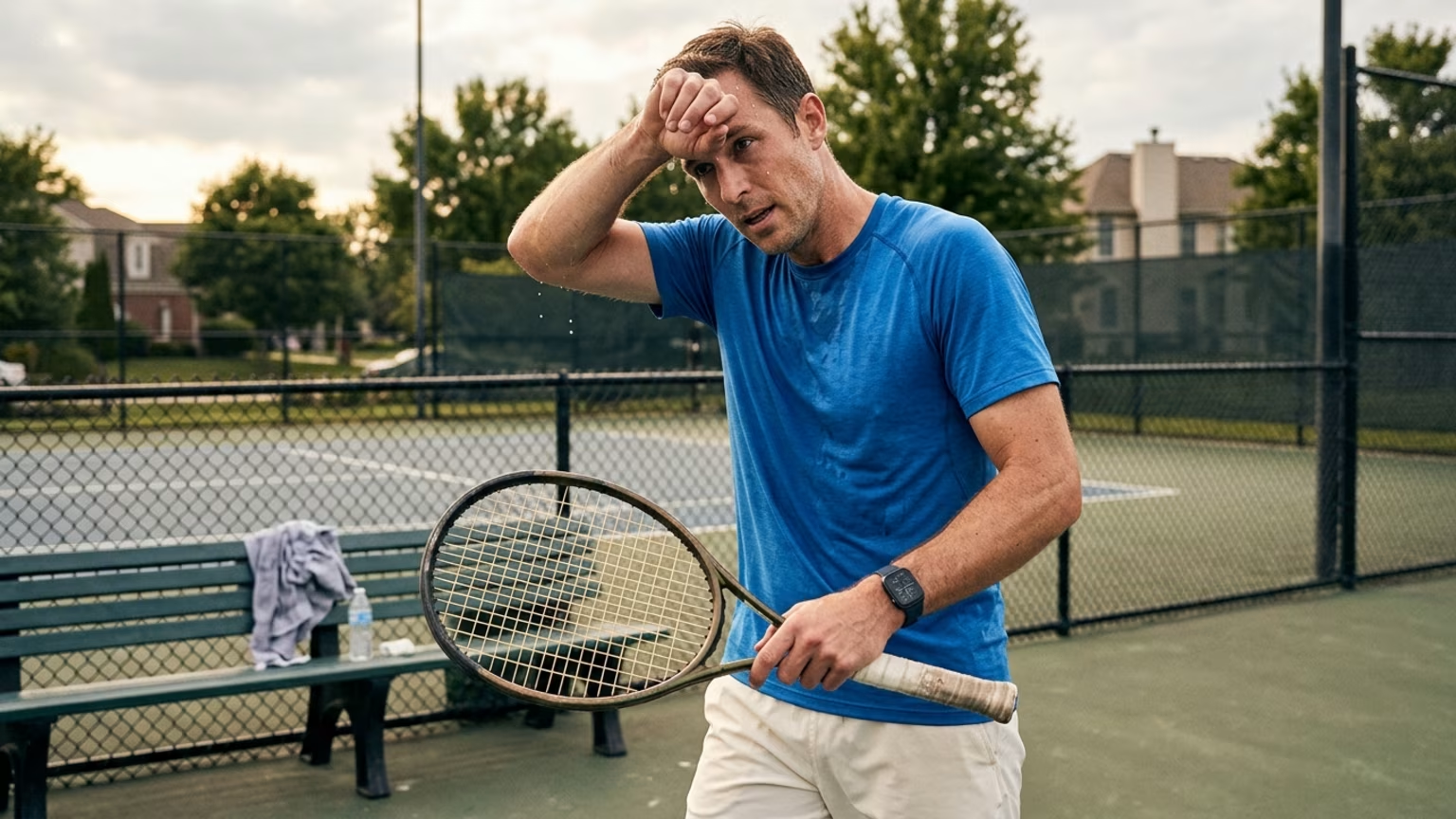
In late 2026, Oura analyzed wearable data to see how recreational tennis impacts heart health and recovery. Learn what this means for your athletic longevity.
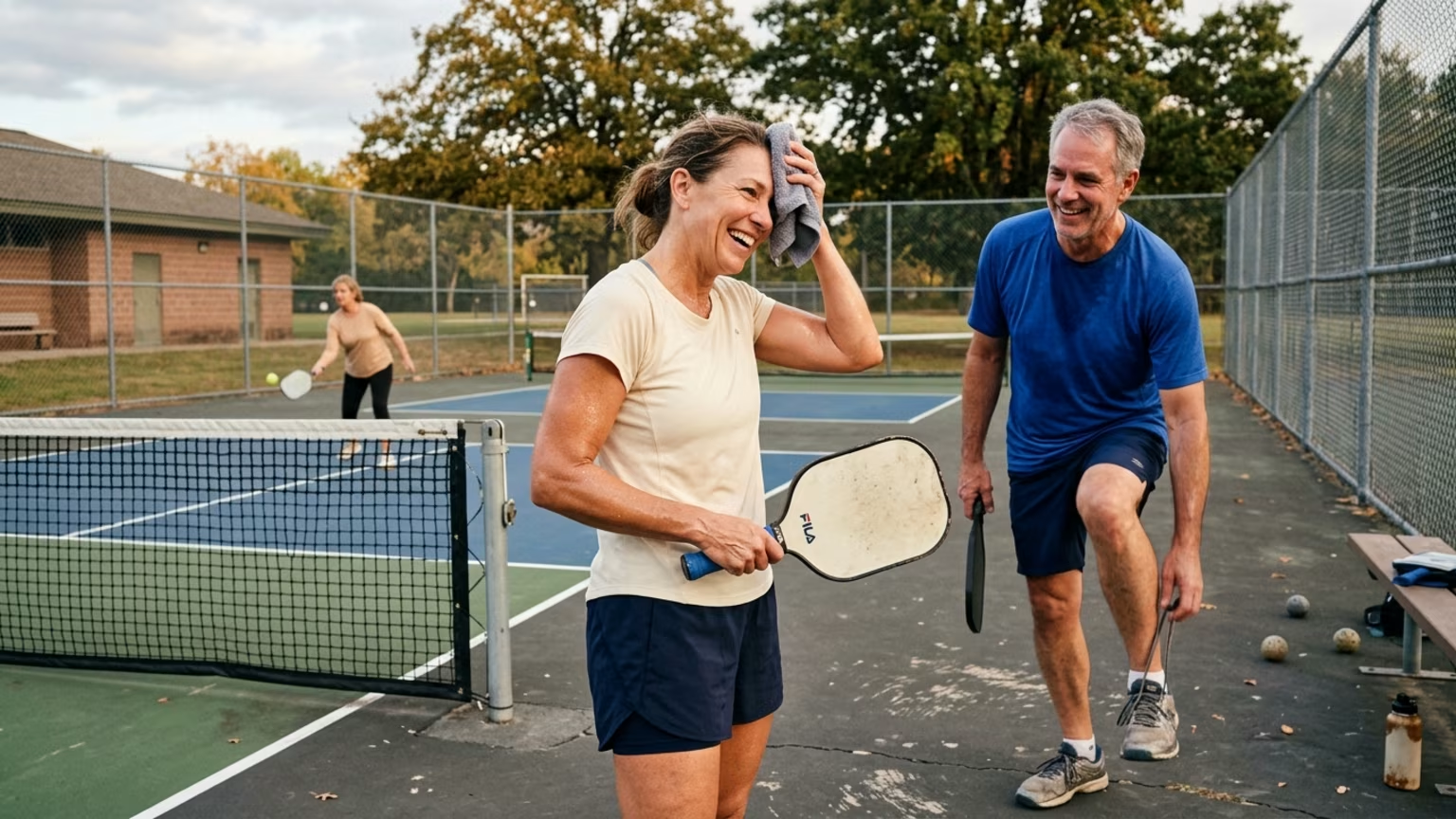
Recent guidelines emphasize gradual progression, dynamic warm-ups, and scheduled recovery to help adult racquet sports players maintain athletic longevity.
Read practical guidance for better movement, smarter preparation and a game that keeps working for you.
explore the Blog
