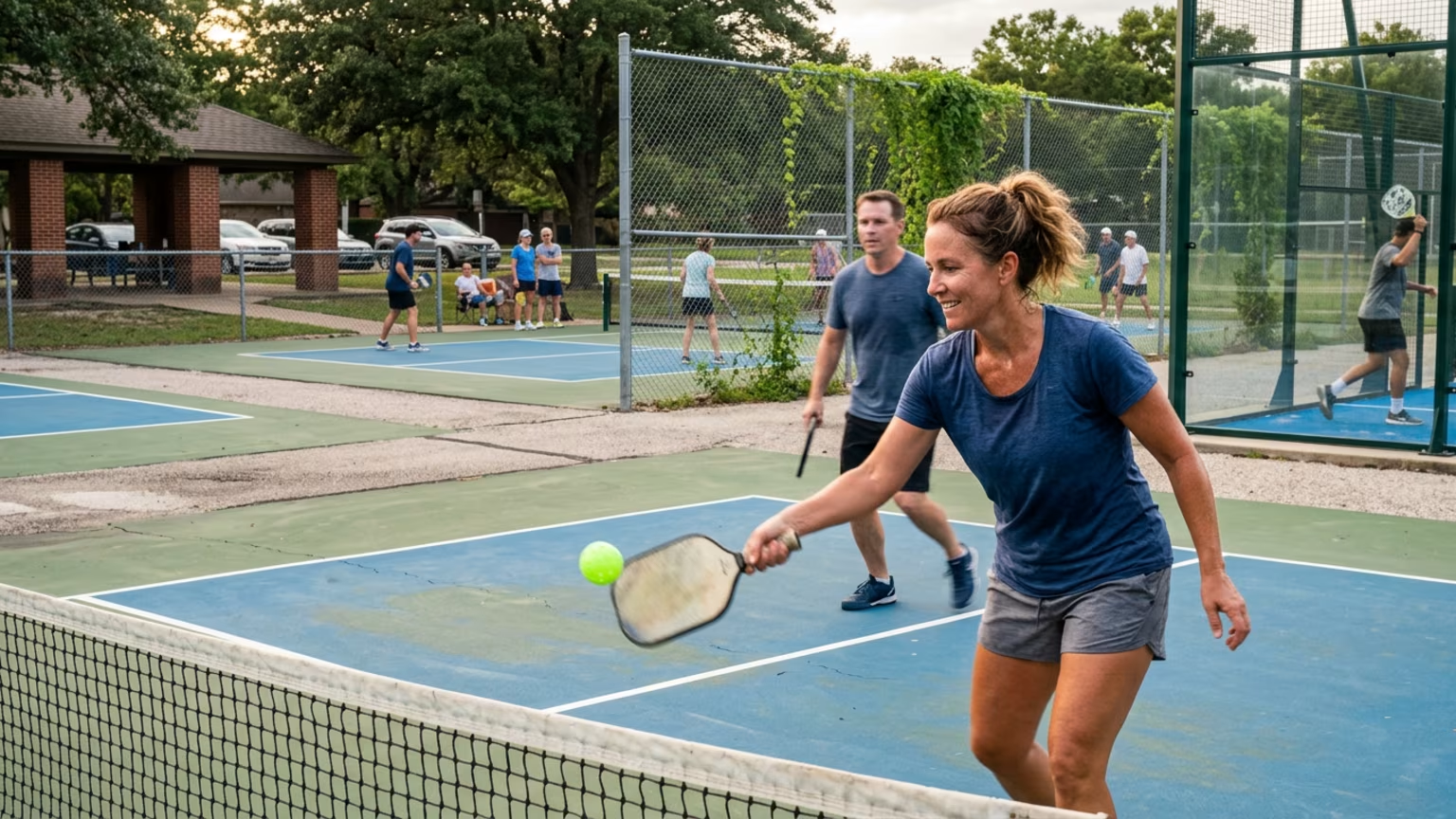

As padel and pickleball participation grows, adult players are facing new physical demands. Learn how proper court preparation can extend your playing years.




In August 2026, updated injury management resources highlighted a growing reality across the racquet sports landscape. As participation in padel and pickleball continues to expand, clinics and health professionals are seeing a distinct pattern of physical complaints from adult players. This trend underscores a clear gap between the physical demands of these fast-growing sports and how recreational participants prepare for them. The latest guidance confirms that while these sports are highly accessible, they are not effortless.
The core issue centers on the specific physical loads required by modern court sports. Recent consumer-facing padel injury guides specifically list ankle and foot, shoulder and upper arm, elbow and forearm, and knee problems among commonly affected areas. These sports require frequent acceleration, rapid braking, and sudden changes of direction. Such explosive actions place considerable stress on joints and tissues that may not be conditioned for intense lateral movement.
Health resources indicate that many adult players transition too quickly from a sedentary routine into high-intensity match play. When players skip sport-specific preparation, the risk of acute and overuse issues naturally rises. Understanding the hidden physical toll of surging racquet sports is the first step toward building better habits. The established advice emphasizes building playing volume progressively and respecting the need for proper court footwear.
Appropriate court footwear is another critical factor that recreational players frequently overlook. Many adults step onto the court wearing standard running shoes or worn-out lifestyle sneakers. These shoes lack the rigid lateral support necessary to stabilize the foot during sharp side-to-side movements. Relying on improper footwear drastically increases the chances of rolling an ankle or stressing the lower leg.
Professional athletes structure their entire weeks around careful workload management and physical conditioning. They spend hours in the gym fortifying their shoulders, knees, and ankles against the exact demands of their sport. For the adult recreational player, the reality is usually entirely different. Most weekend warriors fit their matches around demanding jobs, busy family lives, and long commutes.
When I first started playing pickleball, I noticed how many people skipped warming up entirely. They would jump straight out of their cars and right up to the kitchen line. I tried doing that and immediately pulled a calf muscle. Pickleball requires just as much explosive lateral movement as tennis, just in a tighter space.
Since then, I always spend five minutes doing dynamic lunges and ankle rolls. It changes everything about how confident I feel pushing off the baseline. This proactive approach is essential for any player hoping to maintain their athletic longevity. A structured court-ready warm-up is simply non-negotiable for preventing predictable strains.
Many former tennis players assume that their previous experience will automatically protect them from injury. While good hand-eye coordination transfers well, the movement patterns in these smaller court sports are distinct. Pickleball demands lower stances and much quicker reaction times at the kitchen line. Padel involves navigating off the walls and reacting to unpredictable ball trajectories during extended rallies.
These unique physical demands mean that general fitness does not always equal court-specific readiness. A runner might have excellent cardiovascular health but struggle with the sudden braking forces required during a match. A weightlifter might possess great raw strength but lack the dynamic flexibility needed for an overhead smash. True athletic longevity requires conditioning the body specifically for the repetitive stresses of racquet sports.
The casual mindset among adults is partly driven by the highly social nature of these newer sports. A low barrier to entry tricks many players into believing the physical toll is equally low. This format often encourages participants to extend a planned one-hour session into two hours when friends arrive. Bodies that are not conditioned for that volume of work will inevitably push back.
If you want to keep playing for years, you have to treat these activities like real sports. Balancing weekly court time and physical recovery requires conscious planning and discipline. We often ignore how our everyday exercise habits can hurt our performance on the court. Players must learn to manage their workload rather than allowing group enthusiasm to dictate their physical limits.
Preparation for overhead demands is just as important as lower body readiness. Padel and pickleball require frequent reaching, sudden smashes, and repetitive shoulder extension. Adults who spend their days sitting at a desk often lack the necessary thoracic mobility to execute these shots safely. Targeted strength and conditioning for the trunk and upper limbs can help mitigate these predictable shoulder issues.
The mental transition from a sedentary workday to an explosive match is equally important. Players need a buffer period to shift their focus and properly engage their nervous system. Rushing onto the court while still distracted by office stress often leads to sloppy footwork and poor technique. Taking just ten minutes to prepare physically and mentally makes a massive difference in injury resilience.
Ignoring warning signs is another common trap for the recreational athlete. Recurrent pain, joint swelling, muscle weakness, or a sudden loss of stability should prompt a reduction in load. Players should seek professional assessment instead of repeatedly attempting to test an active injury. Returning gradually after time away from the court is critical for safe progression and long-term health.
Building resilience is a continuous process that extends well beyond the lines of the court. Adequate sleep, proper hydration, and scheduled rest days are fundamental pillars of any effective recovery strategy. Adult players must embrace the reality that their bodies recover differently now than they did in their twenties. Honoring this truth allows you to enjoy these sports consistently without enduring a cycle of recurring setbacks.
Looking ahead to the next season, we expect a major shift in how adult players approach their court time. The initial honeymoon phase of playing every single day will likely settle into more structured weekly routines. Participants will recognize that proper workload management is the only reliable way to stay active long-term. We anticipate seeing more local clubs investing heavily in player education and dedicated mobility spaces.
Facility operators will also face increasing pressure to maintain consistent playing surfaces to protect their members. Uneven courts and poor maintenance contribute directly to the physical risks players face during rapid movements. The most successful venues will prioritize safe playing conditions alongside their social amenities. Ultimately, these fast-growing sports will continue to thrive as adults learn to balance enthusiasm with smart preparation.
Follow Evercourts for practical insights on tennis, pickleball and padel performance, movement, recovery and healthy ageing. Stay connected for new articles, research-led guidance and ideas to help you play well and keep playing for years.


An evidence check on sports supplements like tart cherry juice. Learn why racquet sports players should prioritize core nutrition over functional foods.
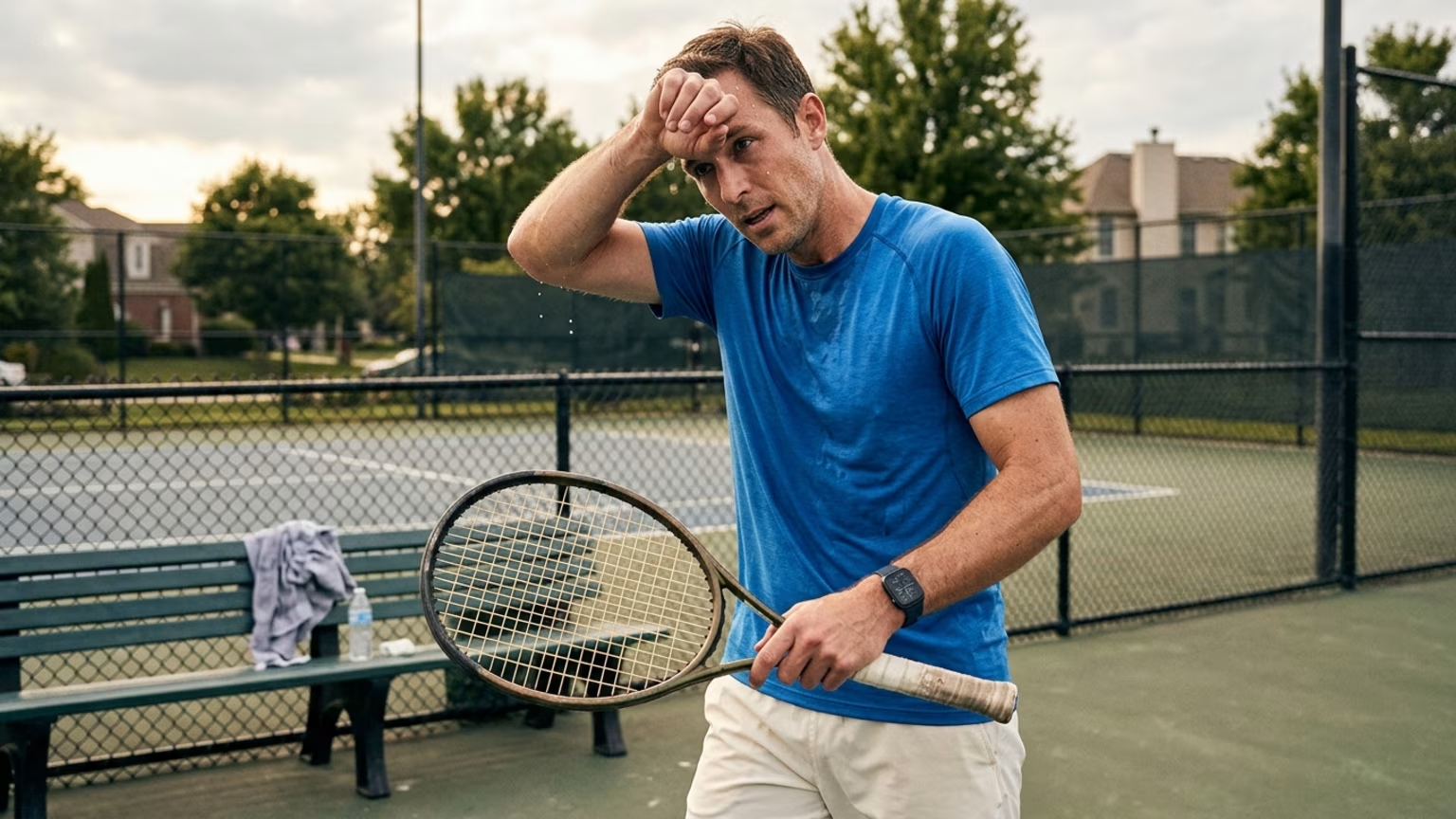
In late 2026, Oura analyzed wearable data to see how recreational tennis impacts heart health and recovery. Learn what this means for your athletic longevity.
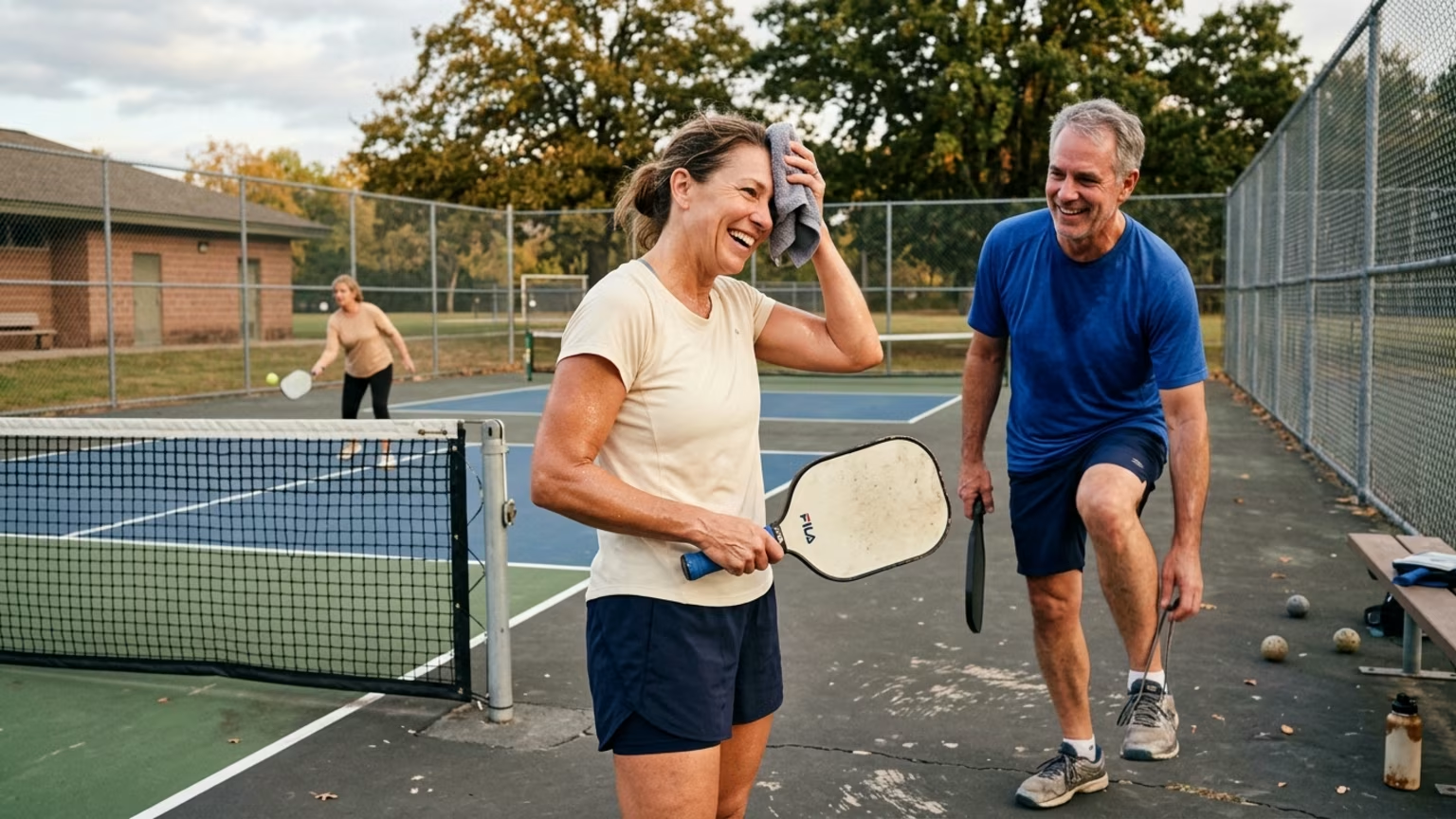
Recent guidelines emphasize gradual progression, dynamic warm-ups, and scheduled recovery to help adult racquet sports players maintain athletic longevity.
Read practical guidance for better movement, smarter preparation and a game that keeps working for you.
explore the Blog
